
Encino: (888) 673-2177 West Hollywood: (888) 823-7756
Schedule a Consultation →
Sargon Dental

How Long Can You Leave a Cavity Untreated: What You Need to Know

Leaving cavities without treatment can cause serious problems for your teeth and health. This guide explains what happens when tooth decay goes untreated and why quick action matters. You’ll learn about the risks, how cavities get worse over time, warning signs to watch for, and problems that can happen if you wait too long. Getting help early can save your teeth and prevent pain, so it’s important to visit your dental clinic when you notice any issues.


how long can leave cavity untreated


Risks of Untreated Cavities

Ignoring cavities can cause serious problems for your mouth and body. When you don’t treat cavities, they keep getting worse and can cause pain, infection, and tooth loss. Cavities form when bacteria in your mouth make acids that eat away at your tooth’s hard outer layer. If you don’t get treatment, the hole gets deeper and reaches the soft inside part of your tooth where nerves live. This can cause severe toothaches and infections called abscesses. Untreated cavities can also affect your whole body since mouth infections have been connected to heart problems and other health issues. It’s important to fix cavities quickly to keep your mouth and body healthy.


Progression of Dental Decay

Tooth decay happens slowly as acid-making bacteria break down your teeth bit by bit. The decay happens in steps, with each step causing more damage:

  • Initial Demineralization: The hard outer layer of your tooth starts to weaken, creating a small hole
  • Enamel Erosion: The hole gets deeper and reaches the next layer, making your tooth more sensitive
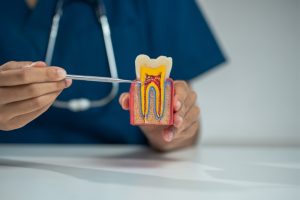
  • Dentin Destruction: The decay goes even deeper into the soft center of your tooth, causing severe pain and possible infection

Knowing how tooth decay spreads shows why finding and treating cavities early is crucial for saving your teeth.


Symptoms of Advanced Cavities

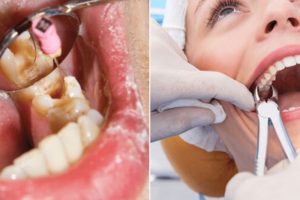
When cavities get bad, you might notice constant tooth pain, visible holes in your teeth, and sharp pain when eating hot or cold foods. Constant toothache often means the cavity has gotten deep enough to affect the nerve inside your tooth. You might see actual holes or dark spots on your teeth where the decay has eaten through the tooth structure. Sharp pain from hot or cold drinks or food happens because the decay has reached deeper layers and exposed the nerves. If you have any of these signs, you need to see a dentist right away to prevent the cavity from worsening and causing bigger problems.


Complications From Delayed Treatment

Waiting too long to treat cavities can lead to serious problems that affect your mouth’s health. If you don’t get treatment, cavities can get worse and cause issues like:

  • Tooth Infection: The decay reaches the soft center of your tooth, causing an infection that might need a root canal treatment
  • Abscess Formation: A painful pocket of infection forms at the tooth root, causing swelling and severe pain
  • Tooth Loss: In serious cases, you might lose the tooth completely, making it hard to chew and speak normally

You need to treat cavities quickly to avoid these problems and keep your mouth healthy.


Importance of Timely Dental Care

Getting dental care quickly is the key to stopping cavities from causing serious problems. When you treat cavities early, you avoid more damage that would need expensive treatments like root canals or tooth removal. Quick dental care means cavities can be fixed with simple fillings when they’re still small. Regular dental visits help dentists find cavities early, before they cause pain or infection. By getting dental care when you need it, you can keep your teeth healthy, avoid pain, and prevent more serious dental issues later. Remember, preventing problems is always easier and cheaper than fixing them after they get serious.


Related Topics:

Our Locations

Encino, CA

16101 Ventura Blvd, Suite 350
Encino, CA 91436

Phone: (818) 380-9057

West Hollywood, CA

8711 Sunset Blvd
West Hollywood, CA 90069

Phone: (310) 800-1060

Request an Appointment

How Long After Dental Bridge Can I Eat: Dos and Don’ts for Healing

After getting a dental bridge, following proper post-care instructions supports healing and reduces the risk of complications. Initially, sticking to soft foods helps protect the bridge while your mouth adjusts to it.


Starting with options like smoothies and mashed potatoes allows for gentle chewing before gradually introducing semi-solid foods. Maintaining daily oral hygiene by brushing, flossing, and rinsing with mouthwash is critical.


Watching for signs of pain, swelling, or discomfort ensures any issues are addressed promptly. Consulting a trusted Encino dentist for guidance helps maintain the bridge’s durability and ensures a smooth recovery.


how long after dental bridge can i eat dos and donts for healing


Immediate Post-Bridge Care Instructions

Right after receiving a dental bridge, take care to avoid disturbing the area. Gently clean the bridge using a soft-bristled toothbrush and non-abrasive toothpaste to prevent plaque buildup. Floss carefully around the bridge to remove debris without loosening it. Avoid hard or sticky foods that could shift the bridge or damage surrounding teeth.


If you experience discomfort, unusual pain, or instability in the bridge, please contact your dentist for an evaluation. Attending follow-up visits allows the dentist to confirm that the bridge is properly positioned and functioning as intended.


Soft Diet Recommendations for Recovery

A soft diet can make the healing process more comfortable and prevent damage to the new bridge. Soft foods reduce pressure on the area and minimize irritation. Smoothies are easy to consume and provide nutrients without requiring much chewing. Mashed potatoes are gentle on the gums and filling.


Yogurt is soothing and supports oral health while providing protein and probiotics. Eating these foods during the first weeks after placement allows the bridge and surrounding tissues to adjust safely.


Foods to Avoid After Dental Bridge Placement

Certain foods can jeopardize a newly placed dental bridge. Sticky items like caramels and chewing gum can pull at the bridge, while hard foods such as nuts, candies, or ice may crack or loosen it. Biting directly into firm foods like raw apples, corn on the cob, or tough meats can also cause damage.


During the healing period, softer alternatives such as cooked vegetables, tender meats, pasta, and other easy-to-chew foods are safer choices. Being mindful of your food selection helps protect the bridge while your mouth recovers.


Ideal Timeline for Resuming Regular Eating

After the initial healing period, you can gradually return to a regular eating routine while respecting the recovery process. During the first two weeks, focus on soft foods to avoid putting excessive pressure on the bridge.


In weeks three and four, introduce semi-solid foods that require light chewing, such as cooked vegetables and tender meats. By week five and beyond, most people can resume a normal diet, continuing to avoid foods that are extremely hard or sticky to maintain the integrity of the bridge.


Hygiene Tips for Maintaining Oral Health

Proper oral hygiene is critical for protecting a dental bridge and supporting long-term oral health. Brushing twice daily with a soft-bristled toothbrush and fluoride toothpaste helps keep the bridge and surrounding teeth clean and healthy.


Flossing carefully with regular floss or a floss threader removes trapped food and reduces plaque buildup. Using an antimicrobial mouth rinse can further minimize bacteria in the mouth.


Regular dental check-ups allow a dentist to monitor the bridge’s condition and overall oral health. Avoiding sticky or hard foods complements these hygiene practices to prevent damage and support healing.


Signs of Complications Requiring Professional Attention

Certain signs indicate that professional care is necessary after a dental bridge placement. Persistent pain around the bridge may suggest a problem that requires assessment. Swelling in the gums or face can be a warning of infection or irritation.


Difficulty chewing or noticing a change in bite alignment may indicate that the bridge needs to be adjusted. Addressing these issues promptly with your dentist can prevent further complications and support the long-term success of your dental bridge.


Related Topics:


Our Locations

Encino, CA

16101 Ventura Blvd, Suite 350
Encino, CA 91436

Phone: (818) 380-9057

West Hollywood, CA

8711 Sunset Blvd
West Hollywood, CA 90069

Phone: (310) 800-1060

Request an Appointment

Ultratooth: Immediate Dental Implants

Your teeth are designed to last a lifetime, but unfortunately, life may have other plans, forcing you to join the 178 million Americans who are missing at least one tooth. Although there are several replacement options, none excel in both form and function the way that dental implants do — mimicking your tooth right down to the roots. Now imagine that you can replace your tooth in just one visit with an option that will go the distance.


ultratooth immediate dental implants


At Sargon Dental, our own Dr. Sargon Lazarof is the pioneer and inventor of Ultratooth, a dental implant restoration that is ready to perform after just one visit.

Here’s a look at how Ultratooth provides you with an immediate restoration option, giving you something to smile about.


Dental implants: The gold standard for missing teeth

Whether decay, disease, or an accident has robbed you of a tooth (or teeth), you need to find a replacement option that will help you smile, chew, and talk with ease. Checking all of these boxes are dental implants, which provide superior stability as we’re able to anchor the implant right into your jawbone. It’s for this reason, and more, that dentists place about five million implants each year in the United States.


One of the more serious problems that crops up with missing teeth is that you lose much more than meets the eye, namely the roots that go down into your jawbone. This loss causes bone deterioration since your jaw no longer registers activity in the area and ceases to rebuild the bone.


With a dental implant, we place a metal post into your jaw, and the bone builds up around it, fusing it into place. We then cap the post with a crown, which fits in seamlessly with your surrounding teeth.

Ultratooth: The platinum standard for missing teeth

Although there are many advantages to choosing a dental implant, the one challenge was that it was often a months-long process to place the implant because we had to wait for it to fuse into place before capping the implant.


Recognizing the need of our patients for faster replacement options, Dr. Sargon invented Ultratooth, which connects into your jawbone immediately after placement thanks to an innovative expansion feature that holds the implant in place. This feature allows you to use your tooth right away, while also allowing your jawbone to build up and around it naturally, further securing the implant.


To find out whether you’re a candidate for Ultratooth, Dr. Sargon first performs a complete evaluation of your dental and general health. Using advanced imaging, he ensures that your jawbone is healthy and that there are no signs of decay or disease.

Once he gives you the greenlight, Dr. Sargon is able to place the implant and crown in a single visit, allowing you to walk out with a tooth that’s clinically shown to last 30 years or more.


To get the most out of your Ultratooth implant, we recommend that you care for it as you would your existing teeth, which means brushing twice a day, flossing once a day, and rinsing after meals.


If you aren’t keen on the idea of waiting months to finally restore your smile, contact one of our locations in Encino or West Hollywood, California, to schedule your Ultratooth consultation.

Our Locations

Encino, CA

16101 Ventura Blvd, Suite 350
Encino, CA 91436

Phone: (818) 380-9057

West Hollywood, CA

8711 Sunset Blvd
West Hollywood, CA 90069

Phone: (310) 800-1060

Request an Appointment

How to Fix a Loose Dental Filling at Home and in the Dental Office

A loose dental filling can catch you off guard, but knowing your options makes handling it much easier. This post covers temporary home fixes, over-the-counter solutions, and what to expect at a trusted dental office when you need a permanent repair. We’ll break down the common causes of loose fillings so you can prevent them down the road. You’ll also find aftercare tips to keep your fillings in good shape for years. Acting fast on a loose filling helps you avoid bigger problems later.


how fix loose dental filling at home and in the dental office


Common Causes of Loose Fillings

Understanding why fillings come loose can help you avoid the problem in the future. Poor oral hygiene, which leads to decay around the filling, is one of the main culprits. Grinding or clenching your teeth puts extra pressure on fillings and can loosen them over time. Eating hard or sticky foods can also knock a filling out of place. Fillings may wear down with age or shift if they weren’t placed correctly from the start. Regular dental checkups help catch loose fillings early before they cause more damage. Keeping up with brushing and flossing, and being mindful of habits that stress your teeth, goes a long way toward preventing this issue.


Temporary Fixes at Home

When a filling comes loose unexpectedly, a few temporary fixes can hold you over until you can see a dentist. Start by cleaning the area with warm water to clear out any food or debris. Over-the-counter dental cement can temporarily hold the loose filling in place. Just make sure the filling is dry before applying it. Avoid chewing on the side with the loose filling to prevent more damage. These home fixes offer short-term relief, but getting professional care quickly is the best way to avoid complications and get a lasting solution.


Dental Wax as a Temporary Solution

Dental wax is another option for temporarily securing a loose filling until you can get to the dentist. It’s a soft, moldable material that covers the exposed or loose filling and adds a layer of protection. To use it, clean and dry the area, then take a small piece of wax and shape it over the affected spot. Press it gently into place and smooth it out to create a secure seal. While dental wax can reduce discomfort and protect the filling for a bit, it’s still a temporary fix. Professional care is needed to permanently resolve the underlying problem.


OTC Dental Cement Application

Over-the-counter dental cement offers a quick way to temporarily secure a loose filling and prevent further discomfort. To apply it, clean the affected area thoroughly and dry it completely. Mix the cement according to the package instructions. Using a clean dental tool, place the cement over the loose filling and shape it to fit comfortably in your mouth. Let it sit for the recommended time before eating or brushing. OTC dental cement provides temporary relief, but it’s not a long-term fix. Schedule an appointment with your dentist as soon as possible.


Professional Dental Solutions

When you visit the dentist for a loose filling, they’ll likely recommend dental bonding or a dental crown, depending on the extent of the damage. Dental bonding uses a tooth-colored resin that’s applied to the tooth surface and hardened with a special light. This method works well for minor repairs and restores the tooth’s shape and function with a natural look. A dental crown, on the other hand, is a custom-made cap that covers the entire tooth for added strength and protection. Your dentist will assess the extent of the damage and recommend the best option for your situation to provide a solid, long-lasting fix.


Prevention and Aftercare Tips

Good oral hygiene habits are your best defense against future filling problems. Brush your teeth at least twice a day, floss daily, and use an antiseptic mouthwash. Regular dental visits for checkups and cleanings help keep your fillings healthy. Here are some extra tips to protect your dental work:

  • Avoid hard or sticky foods that can damage fillings
  • Use a nightguard if you grind your teeth
  • Stay hydrated to prevent dry mouth
  • Quit smoking to support better oral health


Related Topics:

Our Locations

Encino, CA

16101 Ventura Blvd, Suite 350
Encino, CA 91436

Phone: (818) 380-9057

West Hollywood, CA

8711 Sunset Blvd
West Hollywood, CA 90069

Phone: (310) 800-1060

Request an Appointment

How to Clean Dentures at Home: Simple and Easy Methods

Keeping your dentures clean at home is easier than you might think. Finding reliable dental care starts with proper home maintenance of your dentures. This guide walks you through simple daily and weekly cleaning steps that anyone can follow. We’ll cover what supplies you need, how to create a cleaning routine, and tips to keep your dentures in great shape. These methods help maintain good mouth health and keep your smile looking its best.


clean dentures home simple and easy methods


Importance of Denture Cleaning

Cleaning dentures every day is vital for good mouth health and preventing problems. When you don’t clean dentures properly, plaque builds up and bacteria grow, which can cause infections. Good cleaning keeps your dentures lasting longer and protects your gums and any natural teeth you still have. Dirty dentures collect food bits and germs that create bad breath and make your gums sore. Unclean dentures can also cause oral thrush and other mouth infections. Setting up a regular cleaning schedule with the right methods helps keep your dentures clean and your mouth healthy.


Materials Needed for Cleaning

You’ll need a few basic items to clean your dentures well at home. Get a denture brush with soft bristles to scrub away food and plaque without scratching the denture surface. Use mild dish soap for daily cleaning to remove debris and germs safely. Pick up a denture cleaning solution for deeper cleaning that removes stains and bad-smelling bacteria. You’ll also need a container for soaking the dentures and a soft towel for drying them after cleaning. Having these supplies ready makes your denture cleaning routine quick and complete.


Daily Cleaning Routine

Clean your dentures every day with these simple steps. Rinse your dentures after each meal to wash away food particles. Use a soft brush and mild denture cleaner to gently scrub all surfaces, including the grooves and hard-to-reach spots. Don’t use regular toothpaste because it’s too rough and can damage your dentures. Clean your gums and any remaining natural teeth too for complete mouth care. Soak your dentures overnight in cleaning solution or water to keep them moist and prevent cracking. Following this daily routine helps your dentures last longer and keeps your mouth healthy.


Weekly Deep Cleaning Steps

Do a thorough deep cleaning once a week to keep your dentures in top condition. Please take out your dentures and rinse them with warm water to remove loose food bits. Brush them with a soft denture brush and mild cleaner, avoiding regular toothpaste that’s too harsh. Soak your dentures in denture cleaning solution or a mix of water and vinegar for 20-30 minutes to remove tough stains and kill bacteria. Rinse them well before putting them back in your mouth. This weekly deep clean keeps your dentures looking good and staying hygienic.


Tips for Maintaining Denture Hygiene

Keep your dentures in great shape with these helpful tips:

  • Rinse dentures after every meal to stop food buildup
  • Use gentle, circular motions when brushing to avoid damage
  • Handle dentures carefully to prevent drops and cracks
  • Soak overnight in denture solution to keep them moist
  • Visit your dentist regularly to check the fit and condition
  • Avoid hot water that can warp the denture material
  • Don’t use harsh cleaners or bleach products

Following these simple tips helps your dentures stay clean, comfortable, and long-lasting while keeping your mouth healthy.


Related Topics:

Our Locations

Encino, CA

16101 Ventura Blvd, Suite 350
Encino, CA 91436

Phone: (818) 380-9057

West Hollywood, CA

8711 Sunset Blvd
West Hollywood, CA 90069

Phone: (310) 800-1060

Request an Appointment

Why an Abscess May Persist After a Root Canal Treatment

Root canal treatments are supposed to clear out infection and save your tooth. But sometimes, an abscess sticks around even after the procedure is done. This can be frustrating and painful for patients who thought the problem was fixed. At West Hollywood’s best dental clinic, we see these cases and understand what’s behind them. This post breaks down the most common reasons an abscess might persist and what can actually be done about it.


why abscess may persist after root canal treatment


Incomplete Removal of Infected Tissue

Root canal systems can be tricky to clean. Sometimes there are tiny side canals, fins, or narrow passages that hide bacteria. Standard hand tools don’t always reach these spots, leaving infected tissue behind. When that happens, the infection can flare back up and form an abscess. Using ultrasonic or rotary instruments along with microscopes helps dentists clean more thoroughly. Better cleaning reduces the risk of the abscess coming back.


Undetected Additional Canals

Finding every canal inside a tooth is harder than it sounds. Some teeth have extra canals that don’t appear on standard X-rays. If these get missed, bacteria hang out inside them and keep the infection going. Cone-beam CT scans and magnification tools make it easier to spot these hidden canals. An experienced endodontist knows where to look and how to thoroughly clean everything. Treating all the canals, not just the obvious ones, cuts down the risk of a lingering abscess.


Resistant Bacteria

Some bacteria are tougher than others. Strains such as Enterococcus faecalis and Porphyromonas gingivalis can form protective biofilms within the root canal. These biofilms make the bacteria harder to kill with standard cleaning solutions. Dentists may need to use advanced methods, such as laser-activated irrigation or specialized medications, to treat stubborn strains. Proper shaping and sealing of the canal also help eliminate these resistant bugs and prevent the abscess from lingering.


Poor Root Canal Treatment Quality

Not all root canals are done equally well. If the canals aren’t cleaned and shaped properly, or if infected tissue gets left behind, problems follow. Gaps in the filling material give bacteria a place to grow. Rushed procedures or less experienced practitioners can lead to these issues. Regular check-ups, magnification tools, and sticking to best practices all help improve treatment quality and reduce abscess risk.


Post-Treatment Complications

Even after a successful root canal, complications can still occur. Patients might experience ongoing pain, swelling, or a new abscess. This sometimes occurs due to missed canals, complex tooth anatomy, or incomplete disinfection. Thorough exams and imaging help catch these problems early. Proper sealing and restoring the tooth goes a long way in preventing issues down the line. When complications do happen, having your endodontist and general dentist communicating makes a big difference in getting things sorted out.


Delayed Crown Placement

Getting a crown placed quickly after your root canal matters more than most people realize. Waiting too long can cause problems:

  • Risk of Bacterial Entry: Without a crown, bacteria can sneak back into the tooth through the access hole, restarting the infection.
  • Weakened Tooth Structure: An unprotected tooth is more likely to crack or break, potentially leading to its loss.
  • Appearance Issues: For front teeth, skipping or delaying the crown can affect how your smile looks and impact your confidence.

Getting your crown placed on time protects your investment in the root canal and keeps the tooth healthy for years to come.


Related Topics:

Our Locations

Encino, CA

16101 Ventura Blvd, Suite 350
Encino, CA 91436

Phone: (818) 380-9057

West Hollywood, CA

8711 Sunset Blvd
West Hollywood, CA 90069

Phone: (310) 800-1060

Request an Appointment

How to Fix a Loose Dental Bridge at Home Safely and Effectively

To safely and effectively fix a loose dental bridge at home, start by evaluating the bridge to determine the extent of the issue. Maintaining proper oral hygiene is essential, so brush thoroughly, floss, and rinse with mouthwash. Applying a small amount of dental adhesive can help temporarily stabilize the bridge.


Make sure the area is clean and dry before placing the bridge, and allow the adhesive to set for 5-10 minutes. Monitor the bridge for stability, checking for movement and gum irritation. Following these steps carefully can help maintain the bridge while waiting to consult a professional for quality dental care.


fix a loose dental bridge at home safely and effectively


Assessing the Loose Dental Bridge

When a dental bridge feels loose, begin by carefully examining the area to determine the extent of the issue. Gently probe around the bridge with clean fingers to detect movement or discomfort. Check whether the bridge remains securely attached to the surrounding teeth and inspect for any signs of damage or wear.

Examine the gums for signs of redness or inflammation, as these can provide clues about oral health. This assessment helps identify the cause of the looseness and guides the steps needed to stabilize the bridge safely.


Cleaning the Area Thoroughly

Proper cleaning is important for maintaining the health of a loose dental bridge. Use a soft-bristled toothbrush to brush around the bridge, reaching all edges where debris and bacteria can accumulate. Floss underneath the bridge with a floss threader or specialized floss to remove trapped particles.

Rinsing with an antimicrobial mouthwash helps reduce the amount of bacteria. Ensuring a clean oral environment supports the bridge’s function and contributes to long-term dental health. Regular dental visits are recommended to monitor the bridge and surrounding teeth.


Applying Dental Adhesive

Applying dental adhesive can temporarily secure a loose dental bridge until professional care is available. Before applying, confirm the bridge and surrounding teeth are clean and dry. Apply a small amount of adhesive to the inner surface of the bridge, then carefully place it back into position.

Hold it gently in place for a few moments to allow the adhesive to set. Following the product instructions ensures proper application and effectiveness. This step can help restore stability and reduce discomfort while waiting for a permanent solution.


Securing the Bridge in Place

To maintain the bridge’s stability, gently bite down on a piece of clean gauze or a cotton swab after applying the adhesive. This pressure helps the bridge bond securely with the supporting teeth. Avoid chewing sticky or hard foods that could dislodge the bridge.

Regularly inspect the bridge for looseness or damage. Consistent oral hygiene and mindful eating habits support the bridge’s longevity and ensure it functions correctly during daily activities.


Allowing Time for Adhesive to Set

After applying the adhesive, allow 5-10 minutes for it to bond fully. Avoid eating or drinking during this period to prevent disturbing the setting process.

Apply gentle pressure if needed to ensure proper alignment, but do not force the bridge into place. Giving the adhesive enough time to set properly helps create a stable and durable temporary hold for the bridge.


Monitoring the Bridge for Stability

Once the bridge is in place, observe it carefully to ensure it remains secure. Test for movement by gently biting and moving your jaw from side to side. Check for gum irritation, such as redness, swelling, or soreness, which may indicate improper fit.

Start with soft foods and gradually test harder textures to confirm the bridge’s stability while chewing. Regular monitoring helps identify potential problems early and reduces the risk of further complications.


Related Topics:


Our Locations

Encino, CA

16101 Ventura Blvd, Suite 350
Encino, CA 91436

Phone: (818) 380-9057

West Hollywood, CA

8711 Sunset Blvd
West Hollywood, CA 90069

Phone: (310) 800-1060

Request an Appointment

Dental Implants Dentist in West Hollywood

Missing one or more teeth can affect much more than the appearance of your smile. Tooth loss may make it difficult to chew certain foods, speak clearly, or smile confidently in professional and social settings. Over time, missing teeth can also contribute to changes in your bite and the bone structure that supports your facial appearance.


dental implants dentist


At Sargon Dental, we provide advanced dental implant treatments for patients in West Hollywood, Beverly Hills, Hollywood, Beverly Grove, Melrose, Fairfax, Laurel Canyon, Century City, and surrounding Los Angeles communities. Our West Hollywood dental office is conveniently located on the Sunset Strip at 8711 Sunset Blvd, West Hollywood, CA 90069.

Led by Dr. Sargon Lazarof, Sargon Dental offers personalized solutions for replacing a single missing tooth, several teeth, or an entire arch. Treatment options may include Ultratooth™ immediate-load dental implants, traditional implant-supported restorations, full-mouth dental implants, implant-supported dentures, zirconia fixed bridges, bone grafting, sinus lifts, sedation dentistry, and comprehensive full-mouth reconstruction.

Every implant treatment plan begins with a detailed examination. We evaluate your remaining teeth, gums, jawbone, bite, medical history, aesthetic goals, and long-term oral health before recommending a procedure.


What Are Dental Implants?


Dental implants are designed to replace the root structure of missing teeth. An implant is placed within the jawbone to create a stable foundation for a dental crown, bridge, denture, or full-arch restoration.

Once restored, a dental implant can help replace both the visible portion of the missing tooth and the support that its root would normally provide. This is one of the important differences between dental implants and conventional tooth-replacement options that rest primarily on the gums.

A complete dental implant restoration generally includes three components. The implant is positioned in the jawbone, an abutment connects the implant to the restoration, and a custom crown, bridge, or full-arch prosthesis replaces the visible teeth.

The exact design of your restoration will depend on the number and location of missing teeth, the condition of your jawbone, your bite, and your treatment goals.


Why Do Patients Choose Dental Implants?


Patients frequently choose dental implants because they want a tooth-replacement solution that feels stable and looks natural. Unlike removable dentures, a fixed implant restoration is anchored in place and does not depend solely on adhesives or suction.

  • Dental implants may help patients:
  • Restore the appearance of missing teeth
  • Improve chewing stability
  • Speak and smile with greater confidence
  • Avoid movement associated with loose dentures
  • Support a dental crown without modifying adjacent healthy teeth
  • Replace several teeth with an implant-supported bridge
  • Support a fixed or removable full-arch restoration
  • Maintain stimulation within the jawbone
  • Create a more complete and balanced smile

The benefits available to each patient depend on their oral health, bone structure, implant placement, restoration design, home care, and follow-up maintenance.


Ultratooth™ Immediate-Load Dental Implants in West Hollywood


Sargon Dental is the home of Ultratooth™, an immediate-load dental implant developed by Dr. Sargon Lazarof. The implant features an expansion mechanism designed to establish stability within the jawbone at the time of placement. For qualified patients, this may allow placement of a fixed functional restoration without the extended unloaded healing period commonly associated with conventional implant protocols.

Same-day treatment does not mean every stage of implant dentistry is completed identically for every patient. Your eligibility depends on factors such as bone quality, bone quantity, gum health, bite pressure, the location of the missing tooth, and the presence of infection.

During your consultation, Dr. Lazarof and the Sargon Dental team will evaluate whether an immediate-load implant is appropriate or whether a different implant approach would yield a safer, more predictable result.


Can I Receive a Dental Implant in One Day?


Many patients searching for a West Hollywood dental implants dentist want to know whether they can receive a new tooth in one appointment.

Some qualified patients may be candidates for immediate implant placement and loading. This means an implant and a fixed temporary or functional restoration may be placed during the same visit. However, same-day dental implants are not the right option for everyone.

Before recommending immediate treatment, we must evaluate:

  • The amount and density of available jawbone
  • The health of the surrounding gum tissue
  • Whether an infected or damaged tooth must be removed
  • The location of the missing tooth
  • The amount of pressure created by your bite
  • Whether you grind or clench your teeth
  • Your overall health and healing capacity
  • Your ability to follow postoperative instructions

If additional healing, bone grafting, or infection control is needed, your treatment may be completed in carefully planned stages. The objective is not merely to provide the fastest procedure. It is to create a stable, functional, attractive restoration with the best possible foundation for long-term success.


Single-Tooth Dental Implants


A single-tooth implant can replace one missing or non-restorable tooth without requiring a conventional bridge supported by the neighboring teeth.

The implant is placed in the area of the missing tooth and restored with a custom dental crown. The crown is designed to coordinate with the color, shape, position, and proportions of the surrounding teeth.

  • Single-tooth implants may be considered when a tooth has been lost because of:
  • Severe tooth decay
  • A fractured tooth or root
  • Advanced periodontal disease
  • A failed root canal
  • A sports injury
  • An automobile accident
  • A congenital condition
  • Another form of dental trauma

When an existing tooth cannot be saved, we will explain whether extraction and implant placement can occur during the same appointment or should be completed separately.


Multiple-Tooth Dental Implants


Patients missing several neighboring teeth may not need an individual implant for every missing tooth. In many cases, strategically placed implants can support a dental bridge that replaces multiple teeth.

An implant-supported bridge does not rely on adjacent natural teeth in the same way a traditional bridge does. This may help preserve healthy tooth structure while creating a stable, fixed restoration.

The number of implants required depends on the length and location of the missing tooth area, the available bone, and the forces applied to that section of the mouth.


Full-Mouth Dental Implants in West Hollywood


Full-mouth dental implants are designed for patients who have lost most or all of their teeth or whose remaining teeth cannot be predictably restored.

Rather than placing one implant for every tooth, a planned number of implants can support a complete fixed bridge. This approach can replace an entire upper arch, lower arch, or both arches.

Full-mouth dental implants may be appropriate for patients experiencing:

  • Multiple missing teeth
  • Extensive tooth decay
  • Advanced gum disease
  • Repeated dental treatment failures
  • Broken or severely worn teeth
  • Difficulty eating with removable dentures
  • Loose or uncomfortable dentures
  • A collapsing bite
  • Significant changes in facial support

A full-mouth implant procedure must address more than the replacement of teeth. The dentist must also consider the patient’s bite, jaw relationship, available restorative space, facial proportions, speech, gum display, and preferred tooth shape and color.

Sargon Dental develops each full-mouth treatment plan around the patient’s clinical needs and desired appearance. The objective is to restore comfortable function while creating a smile that fits naturally with the patient’s face.


Zirconia Fixed Bridges


A zirconia fixed bridge is one of the restorative options available for implant-supported full-arch treatment. Zirconia is a strong, tooth-colored ceramic material that can be customized to create a natural-looking set of replacement teeth.

Because zirconia is non-porous and stain-resistant, it is frequently chosen by patients seeking durability, hygiene, and lifelike aesthetics. The final bridge is designed around the patient’s bite, facial characteristics, lip position, gum line, and desired tooth shade.

During your consultation, we will explain the available restorative materials and help you compare their appearance, maintenance requirements, durability, and suitability for your bite.


Dental Implants Versus Removable Dentures


Traditional dentures remain a practical solution for some patients, but they rest primarily on the gums and may gradually become less secure as the underlying jawbone changes.

Patients with loose dentures may experience denture movement while eating or speaking, gum irritation, reduced chewing ability, or reliance on dental adhesives.

Dental implants can be used to stabilize a removable denture or support a permanently fixed restoration. Implant-supported options generally provide greater stability than conventional dentures, but the most appropriate design depends on your anatomy, health, preferences, and budget.

Sargon Dental offers fixed and removable tooth-replacement options. We explain the advantages and limitations of each approach so you can make an informed decision rather than being automatically directed toward a single treatment.


Do I Have Enough Bone for Dental Implants?


Dental implants require sufficient bone for support. When a tooth has been missing for an extended period, the surrounding bone may lose height, width, or density.

Insufficient bone does not necessarily mean that dental implant treatment is impossible. Depending on the location and severity of the bone loss, preparatory procedures may help rebuild the implant site.

These procedures may include bone grafting, socket preservation, ridge augmentation, or a sinus lift.

A bone graft adds material to an area where additional support is needed. A sinus lift may be recommended when insufficient bone height is available in the upper back jaw beneath the sinus cavity.

Some grafting procedures may be completed at the time of tooth extraction or implant placement. Other cases require a separate healing period. Your treatment sequence will be determined after a clinical examination and diagnostic imaging.


Sedation Dentistry for Dental Implant Patients


Dental anxiety can prevent patients from seeking treatment even when missing, broken, or infected teeth are affecting their health and daily life.

Sargon Dental offers sedation dentistry for qualifying patients who feel nervous about implant surgery, have had difficult dental experiences, possess a strong gag reflex, or require extensive treatment.

Sedation may also allow multiple procedures to be completed more comfortably during a longer appointment. The appropriate option depends on your health history, anxiety level, planned procedure, and other clinical factors.

Your safety is always the priority. We will review your medical information, medications, and transportation requirements before recommending sedation. Sargon Dental provides sedation services at its Encino and West Hollywood locations.


What Happens During a Dental Implant Consultation?


Your dental implant consultation is an opportunity to understand both your current condition and the treatment options available to you.

The consultation may include an evaluation of your teeth and gums, diagnostic imaging, an assessment of your bone structure, a bite analysis, and a review of your medical and dental history.

We will discuss:

  • Which teeth can be preserved
  • Which teeth may need to be removed
  • Whether you have sufficient bone
  • Whether grafting may be necessary
  • Whether immediate-load treatment may be appropriate
  • How many implants may be recommended
  • What type of restoration may be used
  • Whether sedation should be considered
  • The anticipated treatment sequence
  • Your recovery and maintenance requirements
  • Your available insurance and financing options

After the evaluation, you will receive a personalized recommendation. We encourage patients to ask questions and understand why a particular approach is being proposed.


What Is the Dental Implant Process?


The dental implant process varies according to the patient and the type of restoration being placed.

Treatment generally begins with examination and digital planning. If a damaged tooth remains, it may need to be removed. Bone grafting may also be completed when additional support is required.

The implant is then positioned within the planned area of the jawbone. Depending on implant stability and the selected protocol, a temporary tooth or restoration may be attached immediately or after a healing period.

Once the tissues and supporting structures are ready, the implant is restored with a customized crown, bridge, denture, or full-arch prosthesis.

Follow-up appointments allow the dental team to evaluate healing, function, bite balance, hygiene, and the condition of the restoration.


How Long Do Dental Implants Last?


Dental implants are intended to provide long-term tooth replacement, but no dentist can promise that an implant will last for a specific number of years.

Implant longevity depends on several factors, including:

  • The quality and quantity of the surrounding bone
  • The health of the gums
  • Implant position
  • Restoration design
  • Bite pressure
  • Teeth grinding or clenching
  • Smoking or nicotine use
  • Medical conditions
  • Oral hygiene
  • Professional maintenance
  • Compliance with follow-up care

The implant placed within the bone and the visible crown or bridge should also be considered separately. Although an implant may remain stable, the restoration attached to it may eventually require repair or replacement because of wear.

Regular dental examinations and professional cleanings are essential for protecting the gums and bone around an implant.


How Should I Care for Dental Implants?


Dental implants cannot develop cavities, but the surrounding gums and bone remain vulnerable to inflammation and infection.

Patients should brush carefully, clean between the implant restorations, and attend regular maintenance appointments. Depending on the restoration, special floss, interdental brushes, water flossers, or other hygiene tools may be recommended.

Contact your dentist if you notice bleeding, swelling, persistent discomfort, an unpleasant taste, difficulty chewing, or movement in an implant restoration.

Early evaluation can help prevent a minor maintenance issue from becoming a more serious complication.


Why Choose Dr. Sargon Lazarof for Dental Implants?


Dr. Sargon Lazarof earned his Doctor of Dental Surgery degree with honors from the University of Southern California School of Dentistry in 1986. He later developed Ultratooth™, an immediate-load dental implant designed to achieve stability at the time of placement.

At Sargon Dental, implant treatment is approached as a combination of surgery, restorative dentistry, function, and smile design. Patients can receive implant placement, oral surgery, cosmetic restorations, sedation, and follow-up care through one coordinated dental practice.

Our team takes time to understand what concerns you most, whether that is discomfort, appearance, treatment time, dental anxiety, difficulty eating, or frustration with removable dentures.


A Dental Implant Dentist on the Sunset Strip


Sargon Dental’s West Hollywood office is located at:

8711 Sunset Blvd
West Hollywood, CA 90069
Phone: (310) 800-1060

The office serves patients throughout West Hollywood and neighboring Los Angeles communities, including Beverly Hills, Hollywood, Beverly Grove, Melrose, Fairfax, Laurel Canyon, Los Feliz, Century City, and surrounding areas.

Our Sunset Boulevard location offers patients implant consultations, dental implant surgery, restorative treatment, cosmetic dentistry, sedation dentistry, and ongoing care from a coordinated dental team.


Schedule a West Hollywood Dental Implant Consultation


You do not have to continue living with missing teeth, unstable dentures, recurring dental problems, or a smile that makes you uncomfortable.

The first step is a comprehensive dental implant consultation. After evaluating your oral health and listening to your concerns, the Sargon Dental team will explain which treatment options may help you restore your smile.

Call Sargon Dental’s West Hollywood office at (310) 800-1060 or request an appointment online.

Frequently Asked Questions About Dental Implants in West Hollywood

1. Who is a good candidate for dental implants?

A potential candidate should generally have healthy gums, adequate jawbone, and medical health that supports normal healing. Patients with bone loss, gum disease, or complex dental problems may still qualify after additional treatment. A comprehensive examination is necessary to determine candidacy.

2. Can I get a dental implant immediately after a tooth extraction?

In some cases, an implant can be placed immediately after a damaged tooth is removed. The decision depends on infection, bone condition, gum health, implant stability, and the location of the tooth. Other patients benefit from allowing the extraction site to heal first.

3. Does Sargon Dental offer same-day dental implants in West Hollywood?

Sargon Dental offers Ultratooth™ immediate-load dental implants for qualified candidates. Some patients may receive an implant and fixed functional restoration during the same visit. Eligibility must be confirmed through a clinical evaluation and diagnostic imaging.

4. Are dental implants painful?

Local anesthesia is used to control discomfort during treatment, and sedation may be available for qualifying patients. Temporary soreness, swelling, or sensitivity can occur during recovery. The extent of discomfort depends on the procedure, the number of implants, and whether extraction or grafting is also completed.

5. How long does dental implant treatment take?

The timeline varies considerably. Some immediate-load treatments may provide a fixed restoration on the day of placement, while traditional or complex cases may require several months of healing. Bone grafting, sinus lifts, extractions, and full-mouth reconstruction can also affect the timeline.

6. Can dental implants replace all my teeth?

Yes. A planned number of implants can support a fixed full-arch bridge or an implant-supported denture. The dentist will evaluate your bone structure, bite, health, restorative space, and aesthetic goals before recommending a full-mouth solution.

7. Can I receive dental implants if I have bone loss?

Many patients with bone loss can still be considered for implant treatment. Bone grafting, ridge augmentation, or a sinus lift may be recommended to create additional support. The severity and location of the bone loss will determine your available options.

8. Are dental implants better than dentures?

Implants generally provide greater stability and chewing support than conventional dentures. However, dentures may still be appropriate for certain patients. Implant-supported dentures can also provide a middle option between traditional removable dentures and a permanently fixed full-arch bridge.

9. Does dental insurance cover dental implants?

Coverage varies by insurance plan. A policy may cover certain portions of the examination, extraction, grafting, implant placement, abutment, or final restoration while excluding others. Sargon Dental can help you review available benefits and discuss financing options.

10. How do I find the right dental implant dentist in West Hollywood?

Look for a dentist who performs a comprehensive evaluation, explains multiple treatment options, considers both surgical and restorative options, discusses risks and maintenance, and provides a personalized plan. You should understand who will perform each stage, what materials will be used, how complications are managed, and what follow-up care is included.

Our Locations

Encino, CA

16101 Ventura Blvd, Suite 350
Encino, CA 91436

Phone: (818) 380-9057

West Hollywood, CA

8711 Sunset Blvd
West Hollywood, CA 90069

Phone: (310) 800-1060

Request an Appointment

What Should I Soak My Dentures in at Night: Expert Tips and Advice

Proper denture care at night helps keep your teeth healthy and comfortable. Your dentist will recommend cleaning routines that work best for your situation. Finding excellent dental services means getting advice on the right soaking solutions for your dentures. This guide explains the best ways to soak your dentures overnight and why it matters for your oral health.


soak my dentures at night expert tips and advice


Importance of Nightly Denture Soaking

Soaking your dentures every night keeps them clean and healthy. During the day, plaque, bacteria, and food bits stick to your dentures and create problems if left alone. Soaking overnight helps remove these deposits and prevents buildup of tartar and stains. The soaking process also removes stubborn debris that brushing alone can’t handle. When you soak your dentures each night, you keep them fresh, clean, and free from germs that could cause infections. Make this a daily habit to protect your mouth and help your dentures last longer.


Best Soaking Solutions for Dentures

Picking the right soaking solution keeps your dentures in good shape. Choose products made just for denture care rather than regular household items. Denture cleaning tablets or fizzing solutions work well because they remove stains, plaque, and bacteria effectively. These products clean your dentures while helping them look good and last longer. You can also use equal parts white vinegar and water as a natural cleaning option. Always rinse your dentures well after soaking to remove any leftover solution. Never use bleach or harsh chemicals because they can damage your dentures. Pick a solution that’s gentle but still cleans well.


Tips for Effective Denture Cleaning

Good cleaning habits help your dentures stay in great condition. Follow these simple tips for the best results:

  1. Brush Daily: Use a soft brush made for dentures to remove food and plaque buildup.
  2. Use Mild Soap: Clean with gentle soap or denture cleaner to avoid damaging the material.
  3. Soak Regularly: Keep your dentures in cleaning solution or water overnight to stay moist and clean.
  4. Handle with Care: Don’t use hot water, rough cleaners, or harsh chemicals; always handle gently to prevent breaking.


Common Mistakes to Avoid

Some cleaning mistakes can hurt your dentures and make them wear out faster. Never use hot water because it can warp the shape of your dentures. Don’t use harsh or rough cleaners that can scratch the surface. Regular toothpaste is too abrasive and can damage dentures, so avoid using it. Don’t let dentures air-dry completely because they can lose their shape. Always handle your dentures carefully to prevent drops and breaks. Avoiding these mistakes helps your dentures stay clean and last longer.


FAQs About Denture Soaking

Here are answers to common questions about soaking dentures:

How often should I soak my dentures?

  • Soak your dentures every night to remove plaque and bacteria effectively.

Can I use regular mouthwash to soak my dentures?

  • No, regular mouthwash can be too strong for dentures. Use denture cleaner or special soaking solutions instead.

Should I rinse my dentures after soaking them overnight?

  • Yes, always rinse your dentures well after soaking to remove any leftover cleaning solution.

Can I leave my dentures soaking for more than one night?

  • It’s better not to soak dentures for more than one night, as it may change the material and how they fit.


Related Topics:

Our Locations

Encino, CA

16101 Ventura Blvd, Suite 350
Encino, CA 91436

Phone: (818) 380-9057

West Hollywood, CA

8711 Sunset Blvd
West Hollywood, CA 90069

Phone: (310) 800-1060

Request an Appointment

What Are the Best Dentures to Get: Affordable and Quality Options

Finding the best dentures to get means looking at cost, quality, and what works best for your mouth. A top-rated dentist in Encino can help you understand the different types available and which materials will work best for you. Professional dentists understand that each person requires unique solutions tailored to their budget and dental health needs. You’ll want to learn about full dentures, partial dentures, and implant-supported options before making your choice. The right dentures will give you confidence to eat, speak, and smile comfortably.


best dentures to get affordable quality options


Types of Dentures Available

Understanding your denture options helps you choose the right one for your needs. Complete dentures work for people who have lost all their teeth, while partial dentures fit around your remaining natural teeth. Immediate dentures go in right after tooth removal, so you don’t have to go without teeth. Overdentures sit on top of natural teeth or dental implants for better stability. Flexible dentures feel more comfortable and weigh less than regular hard plastic ones. Implant-supported dentures attach to metal posts in your jawbone for the most secure fit. Each type has different benefits depending on your situation.


Factors to Consider Before Choosing

Several important factors should guide your denture selection. Your gum health and any remaining teeth will determine which denture types are possible for you. Budget considerations matter since costs vary significantly between different denture styles and materials. The materials used affect how long your dentures will last and how comfortable they feel daily. Your dentist’s experience with dentures can make a big difference in the final result. Consider your eating habits and social activities, as some denture types are better suited for these situations than others. Taking time to weigh these factors helps you make the right choice for your long-term oral health.


Affordable Denture Options

Budget-friendly dentures don’t have to mean poor quality. Traditional full dentures offer a complete tooth replacement solution at reasonable prices. Partial dentures cost less than full sets since they only replace missing teeth. Flexible dentures provide comfort at a moderate price point using bendable materials. Some dental offices offer payment plans that make higher-quality options more accessible. Dental schools sometimes provide denture services at reduced rates with student dentists under supervision. Community health centers may offer sliding fee scales based on income. Research local options and ask about financing to find dentures that fit your budget without sacrificing basic quality.


Quality Denture Options

High-quality dentures use better materials and construction methods for improved results. Acrylic resin dentures offer good strength and natural appearance when made properly. Digital scanning creates more precise impressions than traditional methods. 3D printing allows for exact customization and better fitting dentures. Premium dentures often include metal reinforcement for added strength and longer life. Some high-end options use layered materials that mimic natural tooth translucency. Quality dentures require skilled technicians and more time to create, which reflects in the higher cost. The investment often pays off through better comfort, appearance, and durability over many years of use.


Pros and Cons of Denture Materials

Each denture material offers different benefits and drawbacks. Acrylic resin dentures cost less and can be easily repaired, but they may stain over time and wear down faster than other materials. Cobalt-chromium dentures last longer and feel less bulky in your mouth, though they cost more upfront. Flexible dentures feel more natural and comfortable to wear, but they don’t last as long and may need replacement sooner. Porcelain teeth look very natural but can chip if dropped or stressed. Consider your daily habits, budget, and how long you expect to use the dentures when choosing materials. Your dentist can explain which materials work best for your specific situation.


Maintaining Your Dentures for Longevity

Proper care keeps your dentures working well for years. Here are key practices for denture maintenance:

  1. Daily Cleaning: Brush your dentures with a soft-bristled brush and mild cleaner to remove food and prevent stains.
  2. Proper Storage: Keep dentures in cleaning solution or water when not wearing them to prevent warping.
  3. Regular Check-ups: Visit your dentist regularly to check the fit and catch problems early.
  4. Handle with Care: Avoid dropping dentures or using hot water, which can damage or warp them.


Related Topics:

Our Locations

Encino, CA

16101 Ventura Blvd, Suite 350
Encino, CA 91436

Phone: (818) 380-9057

West Hollywood, CA

8711 Sunset Blvd
West Hollywood, CA 90069

Phone: (310) 800-1060

Request an Appointment

Call Encino
Call West Hollywood