
Missing teeth can affect how you eat, speak, smile, and feel about your appearance. They can also change the way your remaining teeth function and may contribute to changes in the jawbone over time. For patients seeking a stable, long-term solution, dental implants can replace missing teeth from the root up.

At Sargon Dental in Encino, CA, implant dentistry is one of our primary focuses. Dr. Sargon Lazarof has more than three decades of dental experience and invented Ultratooth™, an FDA-cleared immediate-load dental implant system. Our Encino dental office provides implant solutions for patients missing a single tooth, several teeth, or an entire arch.
If you are researching dental implants in Encino, this guide explains how implants work, who may be a candidate, what makes immediate-load implants different, how full-mouth implants work, and what to consider when choosing an implant dentist.
What Are Dental Implants?
Dental implants replace missing teeth by creating a foundation in the jaw for a dental restoration. Unlike a traditional removable denture that rests mainly on the gums, an implant sits within the jaw and supports a replacement tooth or larger restoration.
A dental implant restoration typically consists of an implant placed in the jaw, a connecting component called an abutment, and a crown, bridge, or other restoration that replaces the visible portion of the missing tooth or teeth.
Dentists can use dental implants in several ways. A single implant may replace one missing tooth. Multiple implants may support a bridge when several teeth are missing. Patients who have lost most or all of their teeth may also be candidates for full mouth dental implants.
Why Replace Missing Teeth?
Replacing a missing tooth is about more than filling a space in your smile. Tooth loss can affect your bite and change how chewing forces are distributed. Adjacent teeth may gradually shift toward the open space, and the bone in an area without a tooth root can change over time.
Missing teeth may also make certain foods harder to eat and can affect speech, depending on the number and location of the missing teeth. When several teeth are lost, the effects can become increasingly noticeable.
Dental implants restore both function and appearance. Because they are supported within the jaw, implants can provide a stable foundation for replacement teeth while helping patients regain confidence in everyday activities such as eating, talking, laughing, and smiling.
How Do Dental Implants Work?
Conventional dental implants generally rely on a process known as osseointegration. After an implant is positioned within the jawbone, bone gradually forms around its surface. This biological integration helps create a stable foundation for the dental restoration.
Traditional implant treatment may therefore involve multiple stages and a healing period before placing the final restoration. The exact timeline varies based on the patient’s oral health, bone quality, implant location, number of implants, need for extractions or grafting, and the planned restoration.
Advances in implant dentistry have also led to immediate-load approaches that may allow qualified patients to receive a functional restoration much sooner.
What Are Same-Day Dental Implants?
Same-day or immediate-load dental implants refer to implant treatment in which a restoration can be attached much sooner than with a traditional delayed-loading approach. However, not every implant or every patient qualifies for immediate loading.
At Sargon Dental, Dr. Sargon Lazarof developed Ultratooth™ immediate dental implants. Ultratooth™ is an FDA-cleared immediate-load implant system designed to achieve mechanical stability at placement through an expandable implant design.
For qualified patients, this may allow a fixed, functional replacement tooth to be placed the same day as implant placement, rather than requiring the waiting period associated with some traditional implant protocols.
Clinicians must determine candidacy for immediate loading through a clinical evaluation. Clinicians must consider bone condition, implant stability, gum health, bite forces, medical history, and the missing tooth’s location.
What Is Ultratooth™?
Ultratooth™ is an immediate-load dental implant developed by Dr. Sargon Lazarof. Its expandable design is intended to establish stability within the bone when the implant is placed. This initial stability is what may allow qualified patients to receive a functional restoration immediately.
Dr. Lazarof’s work in immediate-load implantology spans decades. He earned his Doctor of Dental Surgery degree with honors from the USC School of Dentistry in 1986 and later developed the implant technology now known as Ultratooth™.
For Encino patients, this means the dentist who developed the implant system is directly involved in implant dentistry at Sargon Dental. During your consultation, Dr. Lazarof can determine whether Ultratooth™, another implant approach, or a different restorative treatment is appropriate for your particular dental condition.
Who Is a Candidate for Dental Implants?
Many adults with missing or failing teeth can be evaluated for dental implants. However, we determine implant candidacy individually, not by age alone.
An implant evaluation typically considers your gums, available jawbone, remaining teeth, bite, oral hygiene, medical history, medications, smoking or tobacco use, and the location of the teeth being replaced.
Healthy gums and adequate bone support matter because the tissues around an implant help maintain its long-term stability. Existing gum disease, active infections, or other oral health problems may need to be addressed before implant treatment begins.
Patients who have experienced bone loss should not automatically assume that dental implants are impossible. Depending on the situation, different implant approaches or procedures such as bone grafting may be considered. Diagnostic imaging and a comprehensive examination are necessary to determine the available options.
Can Dental Implants Replace One Missing Tooth?
Yes. Replacing a single missing tooth is one of the most common applications for implant dentistry.
An implant can be placed in the area of the missing tooth and restored with an individual crown. One advantage of this approach is that neighboring teeth generally don’t need to serve as supports, as they would with a traditional tooth-supported bridge.
The restoration can be designed to coordinate with the surrounding teeth in color, size, shape, and proportion. The goal is to restore the missing tooth while maintaining natural-looking aesthetics and comfortable function.
Can Implants Replace Several Missing Teeth?
Dental implants can also replace multiple missing teeth. You don’t always need one implant for every tooth being replaced. In certain cases, strategically positioned implants can support an implant-supported bridge that replaces several teeth.
The number of implants required depends on several factors, including how many teeth are missing, where they are located, available bone, bite forces, and the design of the final restoration.
Planning is therefore essential. The objective is not simply to place implants but to create an implant and restorative configuration that supports comfortable chewing, proper bite relationships, aesthetics, and long-term maintenance.
What Are Full Mouth Dental Implants?
Patients who have lost most or all of their teeth may be candidates for full-arch or full-mouth dental implants. Rather than replacing every missing tooth with an individual implant, strategically positioned implants can support a larger fixed restoration.
Full-mouth implant treatment may be considered for patients with widespread tooth loss, extensively damaged teeth, failing dental work, advanced dental problems, or difficulty functioning with removable dentures.
These cases require comprehensive planning because the dentist must consider the implants, bone, gums, bite, facial proportions, and final restoration as a whole.
For patients with several overlapping dental problems, implant treatment may also be part of a full-mouth reconstruction that combines implants with other restorative procedures.
Dental Implants vs. Dentures
Both dental implants and dentures can replace missing teeth, but they function differently.
Traditional dentures are removable appliances that generally rely on the gums and underlying tissues for support. Dental implants are supported within the jaw. Implants can also support larger restorations, giving patients options for greater stability than a conventional removable denture may provide.
Some patients prefer removable teeth, while others prioritize a fixed restoration. Cost, anatomy, oral health, maintenance requirements, lifestyle, and treatment goals can all affect the decision.
If you are comparing your options, Sargon Dental can explain the differences between fixed and removable teeth and help you understand which approach may be appropriate for you.
Do You Need Bone Grafting for Dental Implants?
Not every dental implant patient needs a bone graft. Whether you need grafting depends on the quantity, quality, and shape of the bone where you’re considering an implant.
After tooth loss, the jawbone in that area may gradually change because it no longer receives the same stimulation from a natural tooth root. Gum disease, infections, trauma, and long-term tooth loss can also affect available bone.
If there is insufficient bone for the planned implant, bone grafting may sometimes be recommended. However, different implant designs and treatment strategies may offer additional options. The appropriate approach depends on diagnostic imaging and an examination.
What Happens During a Dental Implant Consultation?
A dental implant consultation at Sargon Dental begins with understanding what is bothering you and what you want to accomplish. Some patients are replacing one recently lost tooth, while others have struggled with missing or failing teeth for years.
Your dentist evaluates your teeth, gums, bite, and jaw and reviews your medical and dental history. Diagnostic imaging can help assess bone anatomy and other structures that visual examination alone cannot evaluate.
After gathering this information, the dentist can discuss whether dental implants are appropriate, how many implants may be necessary, whether additional treatment is recommended, and what type of restoration may best meet your functional and aesthetic goals.
How Long Does Dental Implant Treatment Take?
Dental implant treatment does not have one universal timeline. Treatment length depends on the implant system, the number of missing teeth, jawbone condition, the need for extractions or grafting, healing time, and the complexity of the final restoration.
Traditional implants may require a healing period before attaching the final restoration. With an immediate-load system such as Ultratooth™, qualified patients may receive a fixed, functional tooth much sooner.
During your consultation, Sargon Dental can provide a treatment sequence based on your specific condition, not a generic timeline.
How Do Dental Implants Look and Feel?
The visible part of an implant restoration is designed to resemble a natural tooth or group of teeth. For an individual implant, the crown can be customized according to the size, shape, color, and proportions of the surrounding teeth.
Full-arch restorations require more extensive planning because tooth position, bite, facial support, smile line, and gum appearance may all influence the final design.
Sargon Dental also offers zirconia fixed bridges for appropriate implant cases. Zirconia can provide the strength required for larger restorations while offering tooth-like aesthetics.
How Long Do Dental Implants Last?
Dental implants are designed as a long-term tooth replacement option, but their longevity depends on many factors. Oral hygiene, gum and bone health, smoking, medical conditions, bite forces, implant position, restoration design, and regular professional maintenance can all affect long-term outcomes.
Although the implant itself cannot develop a cavity like natural tooth enamel, the tissues surrounding it still require careful maintenance. Inflammation or disease around an implant can compromise the supporting gums and bone.
Regular examinations allow your dentist to monitor both the implant and the restoration over time.
How Do You Care for Dental Implants?
Daily care is essential. Brush your implant restorations and clean around them as your dentist recommends. Depending on the restoration, your dentist may recommend floss, interdental brushes, water flossers, or specialized cleaning aids.
Professional dental cleanings and examinations remain important after implant treatment. Your dentist can monitor the gums, supporting bone, bite, implant stability, and condition of the restoration.
Patients with full-arch implant restorations may receive different cleaning instructions than someone with a single implant crown, so following an individualized maintenance program is important.
Why Choose Sargon Dental for Dental Implants in Encino?
When choosing an implant dentist in Encino, consider experience, diagnostic capabilities, available implant options, restorative planning, and who will handle your ongoing care.
At Sargon Dental, implant dentistry has been central to Dr. Sargon Lazarof’s career for more than three decades. Dr. Lazarof invented the FDA-cleared Ultratooth™ immediate-load dental implant and has worked extensively in implantology, education, research, and restorative dentistry.
Our Encino office treats different levels of tooth loss, from individual dental implants to immediate-load implants, multiple-tooth replacement, full-mouth dental implants, zirconia fixed bridges, and comprehensive full-mouth reconstruction.
Multiple options let us base treatment recommendations on your anatomy, oral health, functional needs, and personal goals, rather than treating every missing-tooth case the same way.
Dental Implant Dentist Serving Encino and the San Fernando Valley
Sargon Dental is located at 16101 Ventura Blvd, Suite 350, Encino, CA 91436. Our Encino office serves patients in Encino and nearby San Fernando Valley communities, including Sherman Oaks, Tarzana, Studio City, Van Nuys, and surrounding areas.
Patients visit our Encino office for dental implants, Ultratooth™ immediate-load implants, full-mouth implant treatment, restorative dentistry, cosmetic dentistry, and comprehensive smile reconstruction.
If you are searching for a dental implant dentist near Encino, the best starting point is an individualized examination that identifies the cause and extent of your tooth loss and determines the most appropriate replacement options.
Frequently Asked Questions About Dental Implants in Encino
1. Where is Sargon Dental located in Encino?
Sargon Dental is located at 16101 Ventura Blvd, Suite 350, Encino, CA 91436. Our office serves Encino and nearby communities including Sherman Oaks, Tarzana, Studio City, and Van Nuys—call (888) 673-2177 to schedule a dental implant consultation.
2. What is the difference between traditional and same-day dental implants?
Traditional implant treatment often includes a healing period before attaching the final restoration. Immediate-load implants allow qualified patients to receive a functional restoration sooner. Sargon Dental offers Ultratooth™, an FDA-cleared immediate-load implant developed by Dr. Sargon Lazarof.
3. Can I get a dental implant immediately after an extraction?
Some patients may qualify for implant placement at or near the time of tooth extraction. Whether this is appropriate depends on bone condition, infection, gum health, implant stability, and tooth location.
4. Can dental implants replace all of my teeth?
Yes. Full-mouth or full-arch dental implant treatment can replace an entire arch of missing or failing teeth using strategically positioned implants to support a larger restoration.
5. Do I need one implant for every missing tooth?
Not necessarily. One implant can replace a single tooth, while several strategically placed implants may support a bridge or full-arch restoration that replaces multiple teeth.
6. Can I get implants if I have bone loss?
Bone loss does not automatically rule out dental implant treatment. Your dentist must evaluate the amount and location of available bone and determine whether implants, bone grafting, or another approach may be appropriate.
7. Are dental implants removable?
The implants remain in the jaw. The restoration supported by the implants may be fixed or removable, depending on the treatment plan.
8. Can dental implants get cavities?
Implants and artificial restorations do not develop tooth decay the same way natural enamel does. However, plaque and inflammation can affect the gums and bone surrounding implants, which is why brushing, cleaning between the teeth and implants, and professional dental care remain important.
9. How much do dental implants cost in Encino?
Dental implant costs vary based on the number of missing teeth, the number and type of implants, restoration, diagnostic procedures, the need for extractions or grafting, and overall treatment complexity. A personalized examination is necessary to provide an accurate treatment plan and cost estimate.
10. How do I schedule a dental implant consultation in Encino?
Call Sargon Dental’s Encino office at (888) 673-2177 to schedule a consultation. Our office is located at 16101 Ventura Blvd, Suite 350, Encino, CA 91436.
Schedule a Dental Implant Consultation in Encino, CA
Whether you are missing one tooth, several teeth, or an entire arch, there may be more than one way to rebuild your smile. The right solution depends on your oral health, jawbone, bite, existing teeth, medical history, and treatment goals.
At Sargon Dental, Dr. Sargon Lazarof provides implant treatment ranging from individual tooth replacement to Ultratooth™ immediate-load dental implants, full-mouth implants, fixed zirconia restorations, and comprehensive reconstruction.
If you are considering dental implants in Encino, CA, schedule an evaluation to learn which treatment options may be appropriate for you. Call Sargon Dental at (888) 673-2177 or visit our Encino office at 16101 Ventura Blvd, Suite 350, Encino, CA 91436.
Related Topics:
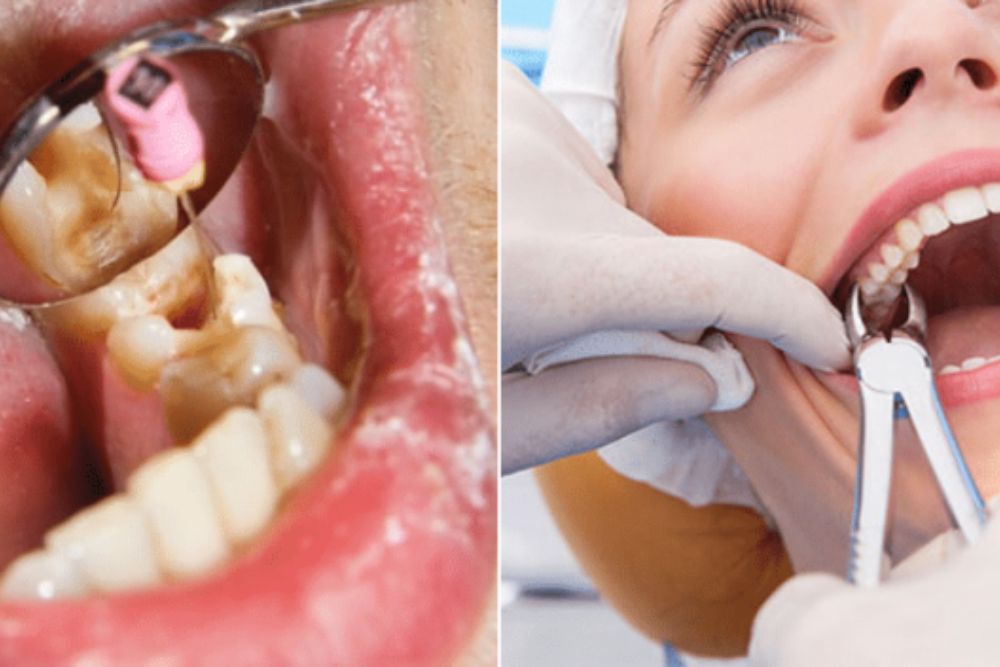
Choosing between a root canal and tooth extraction isn’t always straightforward. Both procedures address serious dental problems, but they come with different benefits, drawbacks, and long-term effects on your oral health. The recommended dental offices in Encino can help you weigh your options based on your specific situation. This post covers the pros and cons of each procedure, costs, recovery times, and what factors matter most when making your decision. Understanding the differences will help you pick the right path for your teeth.
Pros and Cons of Root Canal
Knowing the benefits and drawbacks of a root canal helps you make a smarter choice about your dental health. Root canals let you keep your natural tooth, which means you won’t need replacements like dental implants or bridges down the road. The procedure also eliminates pain and infection caused by severe decay or damage to the tooth’s inner pulp. On the downside, root canals may take multiple dentist visits to complete, and there’s a small chance of reinfection if the tooth isn’t sealed properly. The upfront cost also tends to run higher than a simple extraction. Weighing these factors can point you toward the best option for your situation.
Pros and Cons of Tooth Extraction
When considering pulling a tooth, you need to weigh the pros and cons before moving forward. One major benefit of extraction is the immediate relief it brings from severe pain or infection. Removing a problem tooth can also stop infection from spreading to nearby teeth and gums. The downside? Extraction can affect the teeth around it and change the overall structure of your mouth. Losing a tooth can create problems with chewing, speaking, and the alignment of your remaining teeth. Talk to your dentist to determine whether extraction is the best option for your dental health.
Cost Considerations for Each Procedure
Money matters when it comes to dental work, so it’s worth comparing the price tags for both options. Root canal treatment usually costs more upfront than extraction. The procedure’s complexity, the number of roots involved, and the crown you’ll likely need afterward all add to the total. Tooth extraction might look like the cheaper choice at first glance. But think about the long-term picture, pulling a tooth without replacing it can lead to extra costs for implants, bridges, or dentures later on. It makes sense to compare the initial price against what you might spend down the road when deciding between a root canal and extraction.
Recovery Time Comparison
Recovery looks different depending on which procedure you go with. After a root canal, most people get back to their normal routine right away, though mild soreness or sensitivity can persist for a few days. Tooth extraction typically takes longer to heal from. The initial recovery period runs about 1-2 weeks, and you’ll need to follow specific aftercare instructions to avoid complications. Keep in mind that healing times vary from person to person, depending on factors such as overall health, how well you follow post-treatment care, and the complexity of the procedure.
Impact on Oral Health
Root canal treatment and tooth extraction affect your oral health in very different ways over time. A root canal aims to save your natural tooth by removing the infected pulp, cleaning out the root canal, and sealing it to block future infection. This keeps your tooth working normally, maintains proper jaw alignment, and stops neighboring teeth from shifting out of place. Extraction means removing the entire tooth, which can cause bone loss, make chewing harder, and, over time, throw off the alignment of surrounding teeth. While both procedures have their place, going with a root canal when possible often leads to better overall oral health and a more natural smile in the long run.
Factors Influencing the Decision-Making Process
Several things come into play when deciding between a root canal and extraction. The extent of the tooth’s damage matters most. If the damage only reaches the pulp, a root canal might do the job; if the tooth structure is badly compromised, extraction could be the better call. Your overall oral health, including gum condition and bone density, also factors into the decision. Where the tooth sits in your mouth, how it functions when you chew, and how easy it is to keep that area clean all play a role, too. Budget concerns, such as insurance coverage and out-of-pocket expenses, can also tip the scales. Talking through these factors with your dentist helps you make the right call.
Related Topics:
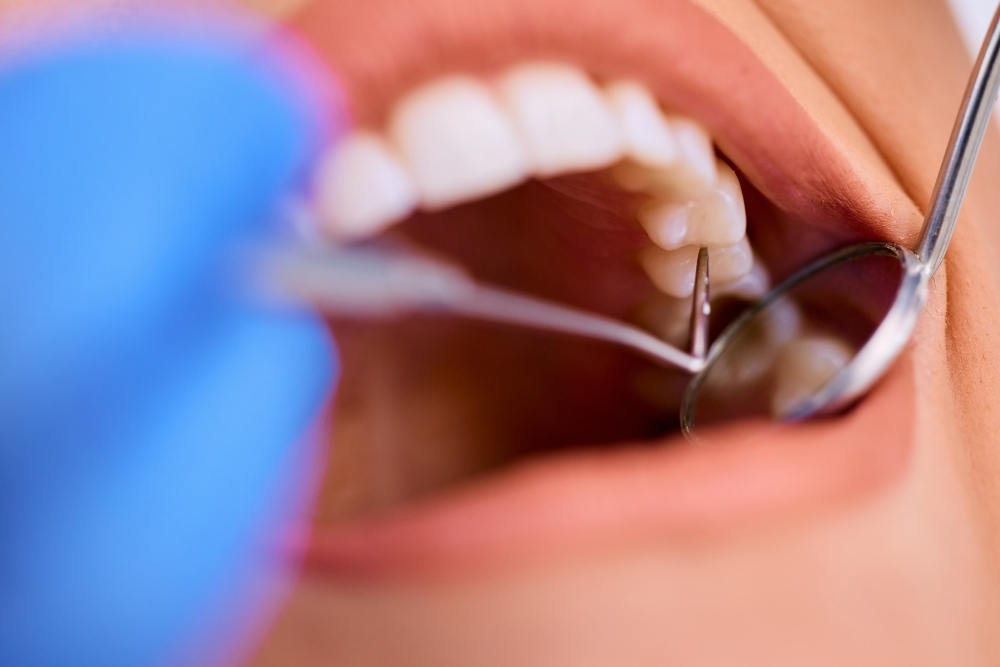
Dental fillings are one of the most common treatments your local dentist performs to fix cavities and tooth decay. They help restore your teeth’s function and appearance while preventing further decay. This post covers the different types of fillings available, the procedure, and how to care for your teeth afterward. You’ll also learn about the materials dentists use and why oral hygiene matters for keeping fillings intact. Understanding these basics can help you make smarter decisions about your dental care.
Types of Dental Fillings
Several types of dental fillings are available to treat cavities and repair damaged teeth. Amalgam fillings are made from a mix of metals and are known for lasting a long time. Composite resin fillings match your tooth color and blend in naturally, making them a popular pick for teeth that show when you smile. Ceramic fillings are also tooth-colored and offer both durability and a clean look. Gold fillings stand out for their strength and longevity. Each type has its own pros and cons, so talking to your dentist helps you figure out which option best fits your needs and budget.
Procedure for Getting a Filling
Getting a filling starts with the dentist numbing the area around your tooth, so you stay comfortable throughout. Once you’re numb, the dentist uses a drill to remove the decayed part of the tooth. After that, they thoroughly clean out the cavity to ensure no bacteria or debris remains. The filling material then gets placed into the cavity and shaped to match the natural curves of your tooth. A special light or chemical process hardens the filling. The dentist checks that everything fits right and doesn’t mess with your bite before you leave.
Importance of Oral Hygiene
Good oral hygiene plays a big role in how long your fillings last and how well they hold up. Taking care of your teeth prevents decay and gum disease, both of which can weaken fillings over time. Here are three habits that make a difference:
- Brushing: Brush your teeth at least twice a day with fluoride toothpaste to clear away plaque and bacteria.
- Flossing: Daily flossing cleans between teeth where your toothbrush can’t reach, helping lower your risk of cavities and gum disease.
- Regular Dental Check-ups: Routine visits let your dentist professionally clean your teeth, check on your fillings, and catch any issues early.
Sticking with these habits goes a long way in keeping your fillings strong and effective.
Benefits of Dental Fillings
Dental fillings offer a reliable way to restore damaged teeth and prevent decay from worsening. By filling cavities, they restore the tooth’s structure and function while preventing decay from spreading. One major benefit is that fillings can help you avoid more serious treatments down the road, such as root canals or extractions. They also help with tooth sensitivity caused by cavities and strengthen the tooth so you can bite and chew normally. Keeping up with dental check-ups means any needed fillings get handled quickly, protecting your overall dental health.
Materials Used for Fillings
Dentists use several materials for fillings, each with its own strengths:
- Amalgam: A tough material made from a mix of metals, including silver, tin, copper, and mercury. It’s affordable and has been around for over a century because it holds up well.
- Composite Resin: A tooth-colored plastic blend reinforced with glass particles. It looks natural and works well for small to mid-size fillings since it bonds directly to the tooth.
- Gold and Porcelain: Gold fillings last a long time and work well with gum tissue, but they cost more. Porcelain fillings match your tooth color and resist staining, making them a solid choice for visible teeth.
Caring for Filled Teeth
Taking care of filled teeth comes down to good oral hygiene and regular dental visits. Brush at least twice daily with fluoride toothpaste and floss daily to help prevent decay around your fillings. Stay away from hard foods that could crack or damage fillings, and drop habits like nail-biting or chewing on pens. Regular dental appointments give your dentist a chance to professionally clean your teeth, check how your fillings are holding up, and spot problems early. Your dentist might suggest dental sealants for extra protection. If you notice any discomfort or sensitivity, schedule an appointment right away to address potential issues before they get worse. With solid oral care and routine check-ups, your filled teeth can stay healthy and functional for years.
Related Topics:
More than 120 million people in the United States are missing one or more of their permanent teeth. Over 36 million have no teeth at all, a condition that can make eating and even talking more difficult. Though dental implants have emerged as a complementary alternative to dentures and bridges, conventional implants can take months to integrate with your jawbone before supporting replacement crowns.

There’s now a single-day implant solution called All-on-4® that replaces a complete dental arch, top, bottom, or both, on four implants per arch. The team at Sargon Dental specializes in All-on-4 implants, and we’re ready to help you rebuild your ideal smile.
What is All-on-4 all about?
Dental implants are now considered the gold standard for the replacement of missing teeth. Techniques and applications continue to develop, and one of these, All-on-4, specifically encapsulates the benefits of traditional dental implants while avoiding the drawbacks, particularly the months-long treatment time necessary for these conventional techniques. All-on-4 addresses tooth loss using four implants to replace an entire top or bottom arch.
Customizing your All-on-4 treatment plan to your needs, your Sargon Dental caregiver evaluates your candidacy for the procedure. Jawbone health and volume serve as a foundation for any successful dental implant, so we’ll evaluate your condition with a thorough oral examination and review of your dental history. Unlike other implant approaches though, most patients with complete or near-complete loss of a full dental arch qualify for treatment.
A new approach to multiple tooth loss
At its simplest, a dental implant is a one-to-one replacement. You receive one implant to replace one tooth. All-on-4 uses, as its name implies, four implants to secure a full arch of teeth. Instead of up to 16 individual incisions and implants, you receive four.
That’s just the beginning of the All-on-4 advantages. Its treatment concept often encompasses a single day for extractions, implants, and placement of the restoration bridge. Individual treatment plans may vary, so some patients may have portions of their treatment spread over weeks or months.
The All-on-4 advantages
Healing for four implants demands less of your body’s recovery systems, and any time a surgical procedure uses fewer interventions, the chances for complications fall dramatically.
Your day starts with a digital 3D scan of your mouth before any remaining extractions occur, followed by the placement of your implants. Simultaneously, Sargon Dental uses an on-site dental laboratory to manufacture the arch that’s custom-designed to fit your new implants.
Find out more about the All-on-4 implant concept by visiting Sargon Dental, in Encino, West Hollywood, or Pleasant Grove, Utah. Call or click to reach the office of your choice, and enjoy the excitement of planning your new smile.
Choosing between veneers and dentures can feel overwhelming when you’re trying to achieve the best dental care for your smile. These two treatments serve distinctly different purposes in dentistry, and understanding their individual functions is the first step toward effective treatment. Veneers focus on improving the appearance of your teeth, while dentures help replace missing teeth. Your specific situation, budget, and goals will determine which treatment option is most suitable for you. This guide breaks down what you need to know about both options.
Key Differences Between Veneers and Dentures
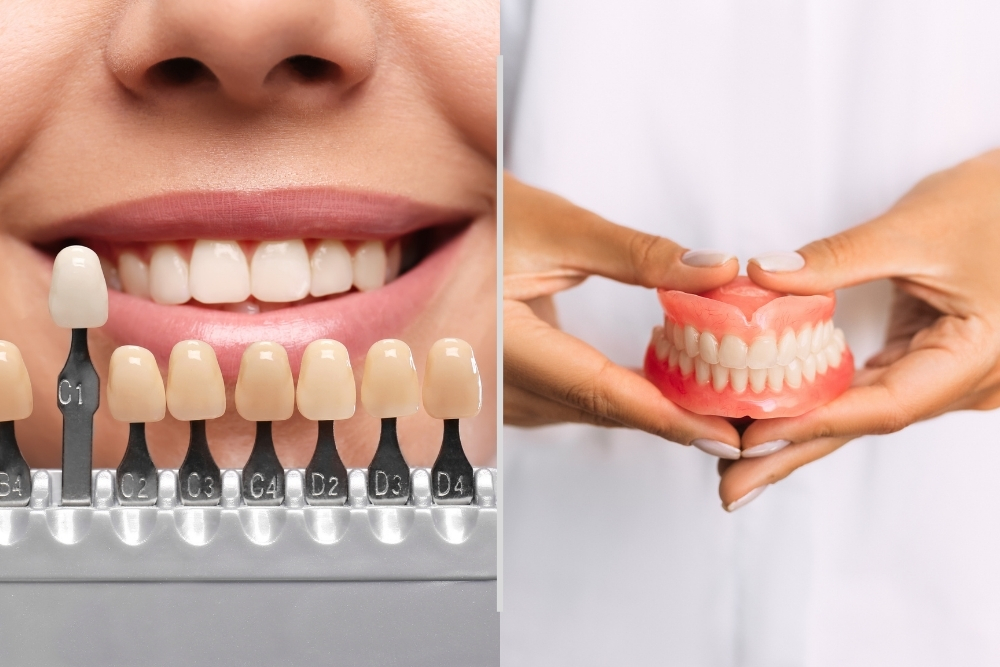
Veneers and dentures solve different dental problems. Veneers are thin coverings made from porcelain or composite resin that attach to the front of your existing teeth. They address cosmetic issues such as stains, minor gaps, slight crookedness, or chips. Dentures, however, are removable appliances that replace missing teeth. You can get partial dentures if you’re missing some teeth, or full dentures if you need to replace all your teeth in one or both jaws. Dentures help you chew food correctly, speak clearly, and keep your face from looking sunken. Understanding these differences helps you choose the most suitable treatment.
Pros and Cons of Veneers
Veneers come with several advantages. They hide stains, chips, and gaps while looking completely natural. Coffee and tea won’t stain them easily, and they’re quite durable. Your dentist removes less of your natural tooth to place veneers compared to crowns. But there are downsides too. If your teeth are severely damaged, veneers may not be a suitable option. Once you get veneers, you can’t reverse the process because your dentist has to remove some of your natural enamel. They cost more than many other cosmetic treatments. Over time, you may need repairs or replacements to maintain their appearance.
Pros and Cons of Dentures
Here’s what you should know about dentures:
Advantages:
- Dentures are often less expensive than many other dental treatments.
- They help you speak and eat better when you’re missing teeth.
- You can take them out for cleaning, which makes care easier.
- They give you back your smile and can make you feel more confident.
Disadvantages:
- Dentures sometimes move around in your mouth, which feels uncomfortable.
- You may need to avoid certain foods that could damage them.
- Your jawbone changes shape over time, so you’ll need adjustments.
- You must clean them properly every day to prevent bad breath and infections.
Factors to Consider Before Choosing
Several things should guide your decision. The health of your teeth and gums matters most—if you have severe decay or gum disease, dentures might work better. Think about how long each option lasts. Veneers usually last longer but will need replacement at some point. Your daily habits count too. If you grind your teeth at night, veneers may not hold up well. Don’t forget about price and upkeep. Each option requires different levels of care and spending. Considering these factors helps you make a choice that suits your needs and lifestyle.
Comparing Cost and Maintenance
Money and upkeep differ significantly between these options:
- Cost: Veneers have a higher upfront price than dentures.
- Longevity: You’ll likely replace dentures more often than veneers, which affects your long-term spending.
- Maintenance: Veneers need regular dental visits and good daily brushing and flossing.
- Repair Costs: Dentures may require occasional fixes or adjustments, which can add to your expenses over time.
Understanding these financial differences helps you determine which option best fits your budget and daily routine.
Which Option Is Best for You?
The right choice depends on your specific needs. Veneers work well if you want to improve how your teeth look, fixing discoloration, gaps, or odd shapes. They’re permanent and need little daily care, but they cost more upfront. Dentures are a good option if you’re missing several teeth. They’re budget-friendly and removable for easy cleaning. Dentures bring back your ability to chew and can improve your oral health. Talk to your dentist about your specific situation. They’ll help you decide based on your mouth’s condition, your budget, and what you want from treatment.
Related Topics:
Dental implant healing times vary from person to person, depending on several factors. Several elements affect how quickly and successfully your implant recovers after surgery. A qualified West Hollywood dental clinic can help you understand what to expect during your recovery. The healing process involves multiple stages that work together to secure your new tooth replacement. This guide explains the main factors that influence healing time and what you can do to support the process.

Healing Process Overview
The dental implants healing process follows a specific timeline that helps your implant bond with your jawbone. Right after surgery, a blood clot forms around the implant site to protect it and start healing. New bone cells begin growing around the implant within the first few weeks, creating a strong foundation. This bone growth process, called osseointegration, takes several months to complete fully. During this time, your jawbone slowly grows around the implant surface, making it part of your natural bone structure. Good blood flow and healthy bones help this process work more effectively and efficiently.
Oral Hygiene Practices
Keeping your mouth clean after implant surgery is one of the most important things you can do for proper healing. Poor oral care can lead to infections that slow down or stop the healing process. You need to brush gently at least twice daily using a soft toothbrush and mild toothpaste. Clean around the implant area carefully with floss or special cleaning tools your dentist recommends. Use an antibacterial mouthwash to kill germs and reduce bacteria in your mouth. Visit your dentist regularly for check-ups and professional cleanings to make sure everything is healing correctly.
Bone Density and Quality
The strength and health of your jawbone directly affects how well your implant will heal. Dense, healthy bone provides solid support for the implant to attach and stay stable long-term. Your dentist will take special X-rays or CT scans to check your bone before placing the implant. If you’ve lost bone due to gum disease or missing teeth for a long time, you might need bone grafting first. Age, genetics, and certain medications can affect bone quality. People with stronger, healthier bone typically heal faster and have better success rates with their implants.
Overall Health and Immune System
Your general health and immune system strength directly impact how quickly your implant heals. When your body is healthy, it can fight off infections and repair tissue more effectively. Here are key health factors that affect implant healing:
- Good nutrition helps your body build new tissue and fight infections
- Diabetes and other chronic conditions can slow healing
- Autoimmune diseases may interfere with your body’s healing response
- Regular exercise improves blood flow and speeds recovery
- Getting enough sleep helps your immune system work properly
Smoking and Tobacco Use
Smoking is one of the biggest threats to successful implant healing. Nicotine and other chemicals in tobacco reduce blood flow to your gums and jawbone, which means less oxygen and nutrients reach the healing area. This makes it much harder for new bone to grow around your implant. Smokers face much higher risks of implant failure, infections, and healing problems. The chemicals in tobacco also weaken your immune system, making it harder to fight off bacteria. If you smoke, quitting before and after implant surgery gives you the best chance for successful healing and long-term implant success.
Quality of Surgical Procedure
The skill and care during your implant surgery greatly affects how well and quickly you heal. A well-planned and carefully performed surgery sets you up for the best possible outcome. Important aspects of quality implant surgery include:
- Experienced surgeon with proper training and skills
- Thorough planning using X-rays and treatment planning
- Clean, sterile surgical environment to prevent infections
- Precise implant placement in the right position and angle
- Clear post-surgery instructions and follow-up care
When these elements come together, patients typically experience smoother healing, fewer complications, and better long-term results with their dental implants.
Related Topics:
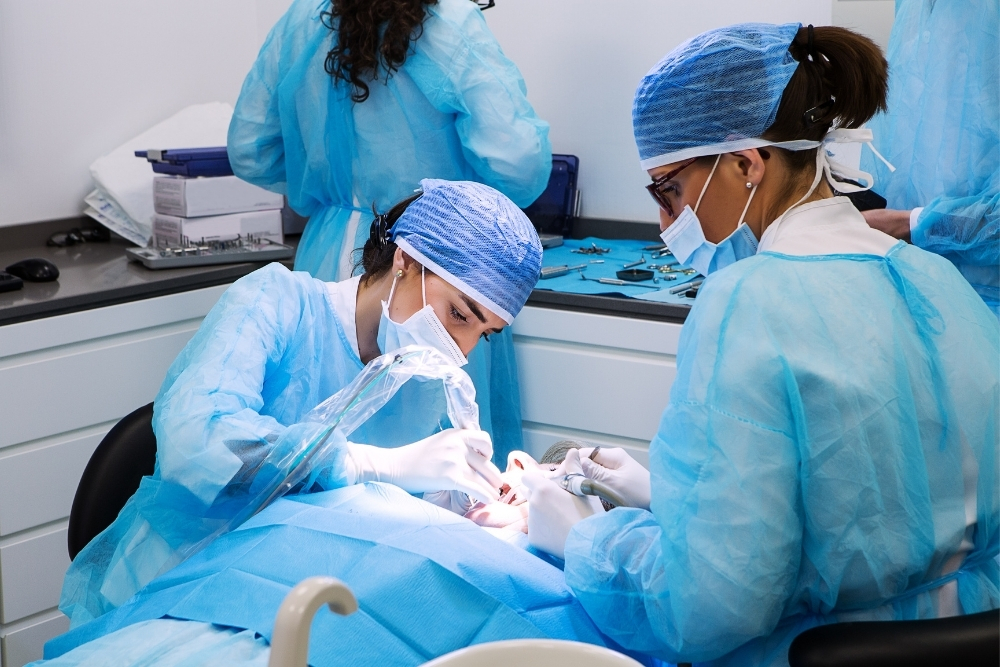
Most people hear “oral surgery” and immediately think of wisdom teeth getting yanked out. But there’s actually a lot more that falls under this category than you might expect. From jaw corrections to dental implants, oral surgery covers a wide range of procedures that go beyond your typical filling or cleaning. Encino’s reliable dentist can help you determine whether a surgical approach makes sense for your specific situation. This guide breaks down the different types of oral surgery, why you might need one, how to prepare, and what recovery looks like.
Definition of Oral Surgery
Oral surgery is a branch of dentistry focused on surgical treatments for problems affecting your mouth, jaw, and face. These procedures address issues such as impacted teeth, jaw alignment problems, facial injuries, and oral diseases. Oral surgeons undergo years of additional training to perform these procedures safely and accurately. They know the ins and outs of dental anatomy, which helps them diagnose and treat complicated cases. The goal is always to restore normal function and appearance to your mouth and face.
Types of Oral Surgery Procedures
Several procedures fall under the umbrella of oral surgery. Tooth extractions deal with severely decayed or damaged teeth that can’t be saved. Wisdom tooth removal is super common, usually done to prevent crowding or to remove teeth that are stuck beneath the gum line. Dental implants involve placing metal posts into your jawbone to hold replacement teeth. Corrective jaw surgery fixes skeletal problems that affect your bite or facial balance. Facial trauma surgery repairs damage from accidents or injuries. Oral pathology procedures diagnose and treat diseases in and around your mouth.
Common Reasons for Oral Surgery
Impacted wisdom teeth are among the top reasons people need oral surgery. When these teeth get stuck or grow in at weird angles, they cause pain and infection and can mess up your other teeth. Jaw misalignment is another big one. Orthognathic surgery corrects this and improves both your bite and facial appearance. Sometimes, teeth are so severely decayed or damaged that extraction is the only option left. Facial injuries from car accidents, sports, or falls often require surgical repair to restore both function and appearance. These situations represent just a handful of reasons someone might need oral surgery.
Preparation for Oral Surgery
Getting ready for oral surgery means following your surgeon’s instructions carefully. You’ll need to stop eating and drinking for a set amount of time before the procedure, depending on what type of anesthesia you’re getting. Your surgeon will tell you if you need to adjust any medications you’re currently taking. Be upfront about your complete medical history, including allergies and prescriptions. This keeps things safe. You’ll also need someone to drive you home afterward if you’re being sedated. Sticking to these prep steps sets you up for a smoother surgery and faster healing.
During and After Oral Surgery
Knowing what happens during and after your procedure helps you recover without surprises. Here’s what to expect:
- Your surgeon will give you specific instructions for your post-op care.
- Swelling and soreness are normal; you might get a prescription for pain meds.
- Stick to soft foods to avoid irritating the surgical area.
- Rest up and keep your mouth clean for the fastest recovery.
Risks and Recovery From Oral Surgery
Every surgery carries some risk, and oral surgery is no different. Infection, heavy bleeding, nerve damage, or bad reactions to anesthesia can happen, though they’re not common. Following your post-op instructions closely makes a huge difference in your healing. That means managing pain and swelling, keeping your mouth clean, and eating soft foods. Recovery time depends on what procedure you had, but expect some discomfort and puffiness for a few days. Make sure you show up to your follow-up appointments so your surgeon can check that everything’s healing right. If you notice anything severe or symptoms that won’t go away, call your oral surgeon right away. Staying informed about risks and following recovery guidelines helps you bounce back faster and more safely.
Related Topics:
Your teeth work hard every day, but sometimes they need extra protection to stay healthy and strong. Dental crowns can save damaged teeth and prevent more severe problems in the future. Knowing when you might need one helps you act quickly before small issues become bigger, more painful problems. An expert dentist in Encino can assess your situation and recommend the most suitable treatment for your specific needs. This guide covers the most common signs that it might be time for a dental crown.
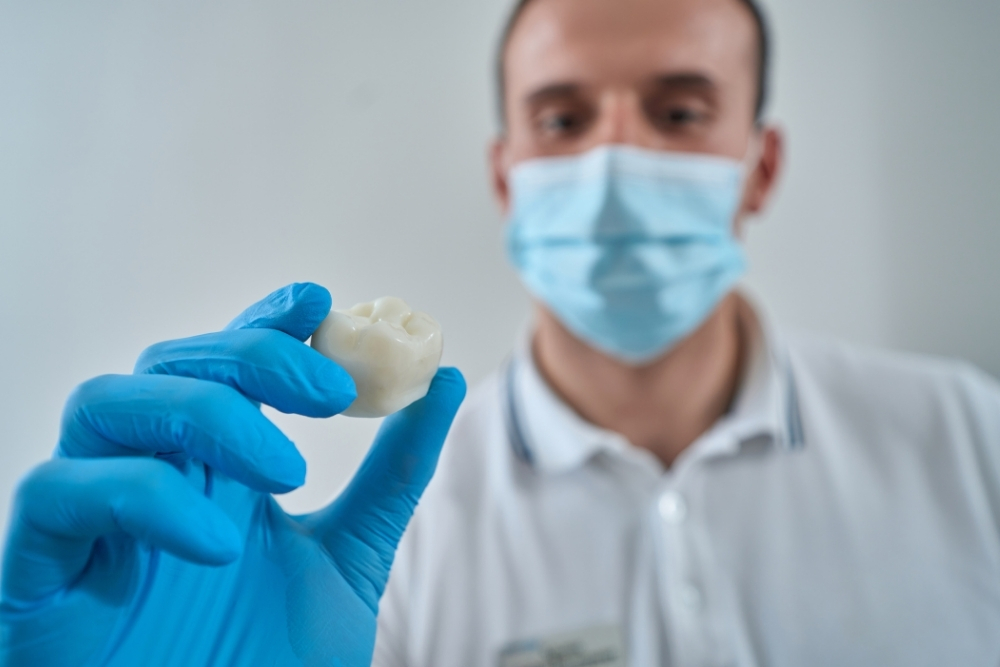
Tooth Fracture or Cracks
A cracked or fractured tooth needs immediate care. These breaks can happen from grinding your teeth at night, biting down on something hard, or from an accident. Even small cracks can allow bacteria to enter your tooth, leading to infection and pain. A crown wraps around your damaged tooth like a protective cap, holding everything together and preventing more damage. Getting treatment quickly means you can save your natural tooth instead of needing something more complicated later.
Extensive Tooth Decay
When tooth decay spreads and damages a large part of your tooth, a simple filling might not be enough anymore. Deep decay weakens your tooth from the inside out, making it fragile and prone to breaking. A crown covers the entire visible part of your tooth, restoring its strength to function normally again. Without treatment, the decay will continue spreading and could cause serious pain or even tooth loss. Regular dental visits help catch decay early, before it reaches this stage.
Large Fillings Need Replacement
Old, large fillings don’t last forever. Over time, they can wear down, crack, or pull away from your tooth, leaving gaps where bacteria can sneak in. When too much of your tooth is filling and not enough is natural tooth structure, the whole thing becomes weak. Replacing a worn-out filling with a crown protects the remaining natural tooth and prevents new decay from forming. During regular checkups, your dentist will inspect your old fillings to determine if they need replacement.
Root Canal Treatment
After a root canal, your tooth becomes more fragile because the procedure removes the inner pulp that previously nourished it. A crown protects this weakened tooth from breaking during normal chewing and biting. Signs you might need a root canal include severe toothache, pain when drinking hot or cold beverages, swollen gums, or a bump on your gum. If the infection spreads untreated, you may lose the tooth completely. Getting both the root canal and crown together saves your tooth and stops the pain.
Cosmetic Improvement
Sometimes teeth look fine, but could look better. Crowns can fix teeth that are discolored, oddly shaped, or slightly crooked. They match your natural teeth perfectly, so nobody will know you have one. Many people choose crowns to enhance their smile and boost their confidence. A well-placed crown can completely change how you feel about smiling in photos or meeting new people.
Tooth Weakness or Structural Damage
Teeth can become weak from decay, large fillings, or cracks that compromise their structure. A weak tooth is at risk of breaking completely, especially when you’re eating. Crowns provide these vulnerable teeth with the support they need to withstand everyday pressure from chewing and biting. The sooner you get a crown on a weakened tooth, the better your chances of keeping it for life. Consult your dentist if you experience sensitivity, pain, or visible damage to any of your teeth.
Related Topics:
If you are missing most or all of your teeth but want more stability than traditional removable dentures can provide, implant-supported dentures may be an effective tooth replacement option. Instead of resting only on the gums, these dentures are stabilized by dental implants placed in the jawbone.
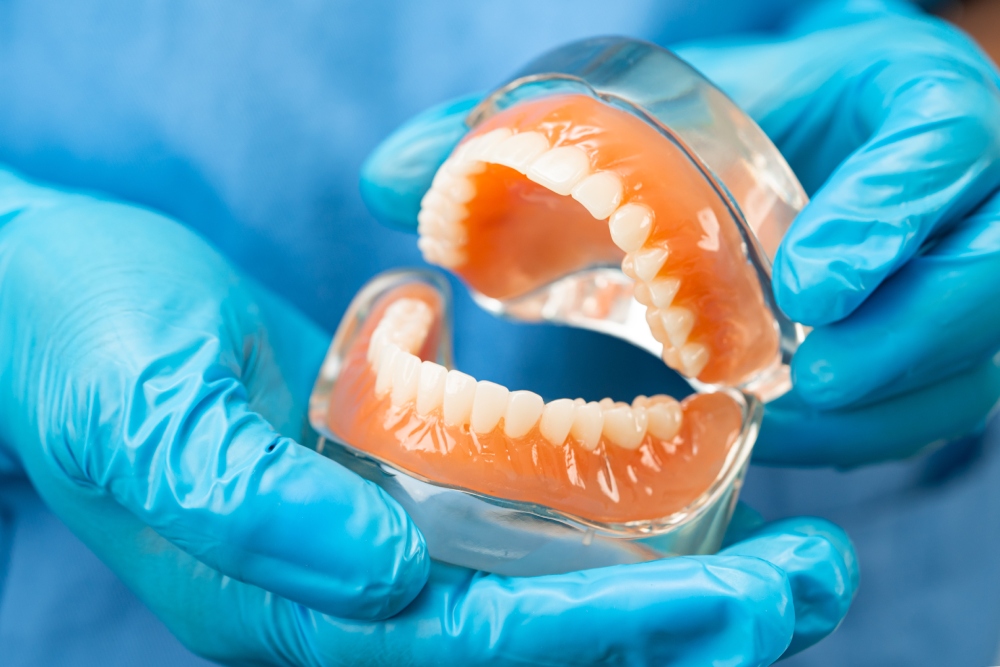
For patients in Los Angeles, Encino, West Hollywood, and surrounding Southern California communities, implant-supported dentures can provide greater confidence when eating, speaking, and smiling. Because the restoration is connected to dental implants, it can significantly reduce the movement and slipping commonly associated with conventional dentures.
At Sargon Dental, each treatment begins with a detailed evaluation to determine whether implant-supported dentures, full-mouth dental implants, traditional dentures, or another restorative approach best fits the patient’s oral health, bone structure, and goals.
What Are Implant-Supported Dentures?
Implant-supported dentures are replacement teeth that use dental implants for support and stability.
Dental implants are placed into the jawbone, where they act as anchors for the denture. Depending on the treatment design, the finished teeth may be removable for cleaning or secured more firmly to the implants.
Traditional dentures rely primarily on the gums and underlying tissues for support. Implant-supported dentures transfer more of that support to the implants, helping create a more secure fit.

This can be especially valuable for people who have experienced loose dentures, difficulty chewing certain foods, changes in speech, or anxiety about dentures shifting during everyday activities.
How Are Implant-Supported Dentures Different From Traditional Dentures?
The main difference is stability.
Traditional dentures sit on top of the gums and may rely on suction, denture adhesive, or the shape of the patient’s mouth to remain in place.
Implant-supported dentures connect to implants anchored in the jaw.
Potential advantages include:
- Greater denture stability
- Less movement while eating or speaking
- Improved chewing function
- Reduced dependence on denture adhesives
- A more secure feeling during everyday activities
- Better support for a natural-looking smile
- Stimulation of the jawbone around implant sites
The right solution depends on your oral health, remaining bone, number of missing teeth, expectations, lifestyle, and budget.
What to Expect During Implant-Supported Denture Treatment
Treatment is customized for every patient. Some people may need only implant placement and restoration, while others may require tooth extraction, bone grafting, gum treatment, or other preparatory procedures before receiving implants.
Step 1: Evaluation and 3D Imaging
Your treatment begins with a comprehensive dental examination and Imaging.
The dentist evaluates your teeth, gums, bite, jawbone, medical history, and existing dentures if you currently wear them. Digital X-rays or 3D Imaging may be used to image bone quantity and identify important anatomical structures.
This information helps determine:
- Whether you are a candidate for dental implants
- How many implants may be appropriate
- Where the implants should be positioned
- Whether bone grafting may be necessary
- What type of denture or implant restoration may work best
This first appointment is also an opportunity to discuss your priorities, including appearance, comfort, chewing ability, treatment time, and cost.
Step 2: Creating Your Personalized Treatment Plan
After evaluating your mouth and Imaging, the dental team develops a treatment plan based on your individual anatomy and restorative needs.
Your plan may address:
- Number and location of dental implants
- Tooth extractions if necessary
- Bone grafting or other preparatory procedures
- Temporary teeth during treatment
- Removable versus fixed restoration options
- Sedation options
- Estimated healing period
- Final denture design
- Costs and financing considerations
No single implant-supported denture treatment is appropriate for every patient. Careful planning is essential because the implants and final teeth must work together as part of the patient’s bite.
Step 3: Placing the Dental Implants
Dental implants are surgically placed in carefully selected areas of the jawbone.
Local anesthesia is commonly used, and sedation may also be considered depending on the procedure and the patient’s comfort level.
With conventional implant treatment, a healing period may be required while the implant integrates with the surrounding bone. This biological process is known as osseointegration.
Healing time varies from patient to patient. Bone quality, implant location, overall health, smoking history, the number of implants, and whether bone grafting was performed can all influence the timeline.
Some qualified patients may also be candidates for immediate-load dental implant treatment, depending on implant stability, bone conditions, bite forces, and the specific restorative plan.
Sargon Dental can evaluate whether a conventional healing protocol or an immediate-load implant approach is appropriate for your particular case.
Step 4: Attaching Your Implant-Supported Dentures
After the implants are stable and the mouth is ready for the final restoration, your customized denture is connected to the implants.
The dentist evaluates:
- Fit
- Bite alignment
- Comfort
- Tooth position
- Smile appearance
- Speech
- Chewing function
Adjustments may be made to improve comfort and ensure that the restoration functions properly.
Your dental team will also explain how to clean around the implants and care for your new teeth at home.
How Long Does Implant-Supported Denture Treatment Take?
There is no universal treatment timeline.
Some traditional implant cases require several months between implant placement and the final restoration because the implants need time to integrate with the jawbone.
Other patients may qualify for treatment protocols that allow temporary or functional teeth to be placed sooner.
Your actual treatment time depends on factors such as:
- Bone density
- Number of implants
- Implant stability
- Need for extractions
- Need for bone grafting
- Gum health
- Type of final restoration
- Healing response
A personalized examination and 3D Imaging provide a much more accurate timeline than a general estimate.
Who Is a Good Candidate for Implant-Supported Dentures?
Implant-supported dentures may be considered for people who have lost all or many of their teeth and want a more stable alternative to conventional dentures.
Potential candidates generally need adequate oral health and enough bone to support dental implants, although bone grafting may make implant treatment possible for some patients with bone loss.
A dentist will also evaluate factors such as gum health, medical conditions, medications, smoking, oral hygiene, and the patient’s ability to maintain the implants after treatment.
Age alone does not determine whether someone can receive dental implants. Overall health, oral condition, bone quality, and healing ability are generally more important considerations.
Can Implant-Supported Dentures Help With Loose Dentures?
One of the most common reasons patients consider implant-supported dentures is dissatisfaction with loose or unstable conventional dentures.
As the jawbone and gum tissues change over time, traditional dentures may become less secure. They can move when you chew, laugh, cough, or speak.
Because implant-supported dentures connect to implants anchored in the jaw, they can provide significantly greater stability than dentures that rely exclusively on the gums for support.
Can You Eat Normally With Implant-Supported Dentures?
Many patients find that improved denture stability makes eating more comfortable and predictable.
The amount of chewing force you can comfortably use depends on the type of restoration, number and position of implants, your bite, healing status, and overall oral condition.
During healing, your dentist may recommend a softer diet and a gradual return to firmer foods.
After treatment is complete, patients often appreciate being able to eat, speak, and socialize with greater confidence because their dentures are less likely to shift unexpectedly.
How Do You Clean Implant-Supported Dentures?
Dental implants cannot develop cavities, but the gums and tissues around them still require consistent care.
Proper hygiene helps protect the tissue and bone supporting the implants.
Depending on your restoration, your routine may include:
- Brushing your denture and implant areas
- Cleaning around implant attachments
- Using floss or specialized implant-cleaning aids
- Using a water flosser when recommended
- Removing a removable denture for cleaning
- Scheduling professional dental cleanings
- Receiving periodic examinations and dental Imaging
Your dentist will provide imaging instructions specifically for your type of restoration.
Implant-Supported Dentures in Encino and West Hollywood
Patients searching for implant-supported dentures in Los Angeles can receive an individualized evaluation at Sargon Dental’s Encino and West Hollywood offices.
Treatment planning considers much more than simply replacing missing teeth. The dental team evaluates bone support, facial proportions, bite alignment, gum health, smile appearance, and long-term maintenance before recommending a restorative approach.
Depending on the patient’s needs, treatment options may include conventional dentures, implant-supported dentures, full-mouth dental implants, fixed implant-supported restorations, or other forms of full-mouth reconstruction.
For patients interested in faster implant treatment, Sargon Dental can also determine whether an immediate-load dental implant approach may be appropriate based on clinical findings.
Find Out Whether Implant-Supported Dentures Are Right for You
If loose dentures or extensive tooth loss are affecting the way you eat, speak, or smile, implant-supported dentures may provide a more stable solution.
The best way to determine your options is through an examination and diagnostic Imaging. Your dentist will assess your bone structure, gum health, bite, existing teeth, and goals before recommending the appropriate type of dental implant or denture treatment.
Sargon Dental serves patients throughout Encino, West Hollywood, the San Fernando Valley, Los Angeles, and surrounding Southern California communities who are considering implant-supported dentures and other advanced tooth replacement options.
Frequently Asked Questions About Implant-Supported Dentures
1. What are implant-supported dentures?
Implant-supported dentures are replacement teeth that connect to dental implants placed in the jawbone. The implants provide more stability than conventional dentures that rest primarily on the gums.
2. Are implant-supported dentures removable?
They can be. Some implant-supported dentures are designed to snap onto implant attachments and can be removed by the patient for cleaning. Other implant-supported full-arch restorations are fixed and are typically removed only by a dental professional when necessary.
3. How many implants are needed for implant-supported dentures?
The number varies based on the patient’s jawbone, denture design, implant positions, bite forces, and treatment goals. Diagnostic Imaging and a clinical examination are necessary to determine the appropriate number.
4. Are implant-supported dentures better than regular dentures?
They can provide greater stability, chewing confidence, and retention for many patients. However, conventional dentures remain appropriate for some people. The better choice depends on oral health, anatomy, lifestyle, treatment preferences, and budget.
5. Do implant-supported dentures prevent bone loss?
Dental implants stimulate the jawbone where they are placed, which can help preserve bone around the implant sites. They do not completely prevent every age-related or anatomical change in the jaw.
6. How long do implant-supported dentures last?
Dental implants and the denture restoration have different lifespans. Implants can function for many years with proper care, while denture teeth, attachment components, or other restorative materials may eventually require maintenance, adjustment, repair, or replacement.
7. Can I get implant-supported dentures if I have bone loss?
Possibly. Some patients with bone loss can still receive dental implants, while others may require bone grafting or another treatment first. 3D Imaging helps the dentist evaluate available bone and possible implant locations.
8. Will I be without teeth while my implants heal?
Not necessarily. Temporary teeth or dentures may often be used during treatment. Some qualified patients may also be candidates for immediate-load treatment. Your dentist will determine the safest temporary and final restoration plan for your situation.
9. How much do implant-supported dentures cost in Los Angeles?
Cost varies based on the number of implants, denture type, materials, diagnostic Imaging, extractions, bridging, sedation, and other treatment requirements. An examination is necessary to provide an individualized treatment estimate.
10. Where can I get evaluated for implant-supported dentures in Los Angeles?
Sargon Dental evaluates patients for implant-supported dentures and other dental implant solutions at its Encino and West Hollywood locations. A consultation and diagnostic Imaging can help determine the best tooth replacement approach for your oral health and goals.
Leaving cavities without treatment can cause serious problems for your teeth and health. This guide explains what happens when tooth decay goes untreated and why quick action matters. You’ll learn about the risks, how cavities worsen over time, warning signs to watch for, and the problems that can happen if you wait too long. Getting help early can save your teeth and prevent pain, so visit your dental clinic as soon as you notice any issues.
Root canals are one of the most common ways to save a damaged tooth. This procedure becomes necessary when decay, injury, or cracks allow bacteria to reach the inner part of your tooth. An experienced dentist can spot the warning signs early and help you avoid bigger problems down the road. In this post, we’ll break down the main reasons people need root canals. We’ll also cover symptoms to look out for so you know when it’s time to get checked out.
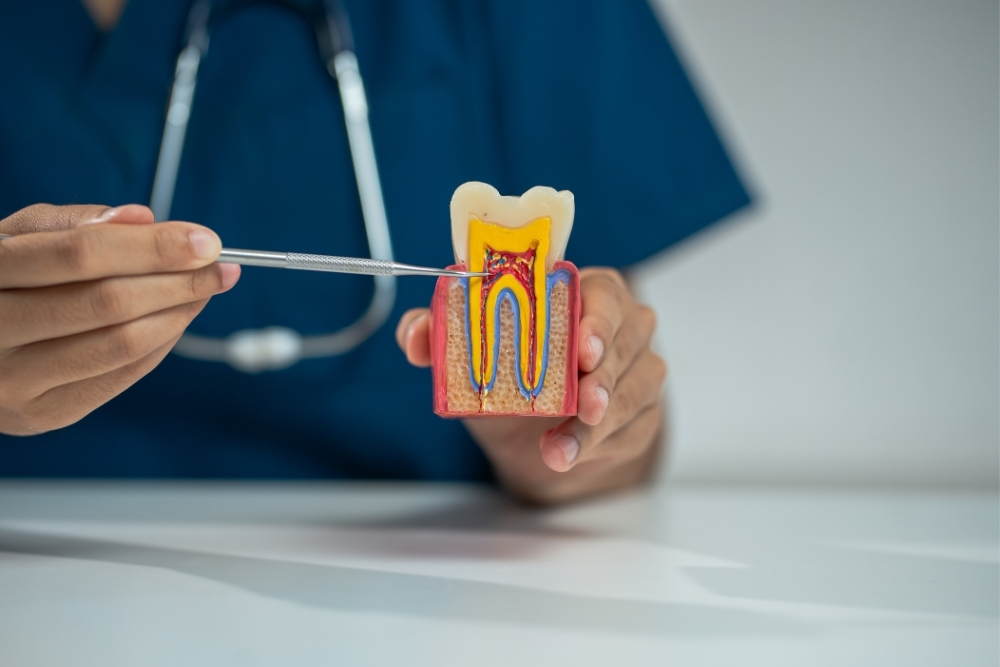
Dental Decay
Decay occurs when bacteria eat away at the enamel and work their way deeper into the tooth. At first, you might not feel anything. But as it spreads, you’ll start noticing sensitivity to hot or cold, pain when you chew, or swollen gums. If decay reaches the nerve, things get serious fast. We’re talking intense pain and possible abscess formation. A root canal removes the infected nerve tissue, cleans the canal, and seals it to stop the infection from spreading. The tooth stays in place, the pain goes away, and your mouth stays healthy.
Tooth Trauma
A hard hit to the face from sports, a fall, or biting down on something you shouldn’t have can damage your tooth in ways you can’t always see. Even if the tooth looks fine on the outside, the nerve inside might be bruised or dying. Getting checked out right away matters here. Common causes of tooth trauma that lead to root canals include:
- Sports injuries or accidents involving the face
- Falls or collisions that damage teeth
- Biting down on hard objects that cause fractures
Quick treatment after an injury can save the tooth and prevent worse problems later.
Cracked or Chipped Tooth
Cracks and chips create openings for bacteria to sneak into the inner layers of your tooth. The tricky part? Some cracks are invisible to the naked eye but still run deep. Minor damage can expose sensitive tissue to infection. Without treatment, the crack grows worse, causing pain, temperature sensitivity, and permanent damage. A root canal removes infected tissue and seals the tooth so bacteria can’t cause further problems.
Repeated Dental Procedures
Teeth that have had a lot of work done, multiple fillings, crowns, or other treatments, sometimes need root canals eventually. All that drilling and filling puts stress on the tooth structure over time. The pulp inside can get inflamed or damaged from repeated procedures, even when each treatment went fine. A few factors that increase the chances:
- Complexity of Procedures
- Number of Treatments on the Same Tooth
- Overall Tooth Health
If you’ve had a tooth worked on several times, keep an eye on it for any new pain or sensitivity.
Infected or Inflamed Pulp
The pulp is the soft tissue inside your tooth that contains nerves and blood vessels. When it gets infected or inflamed, usually from deep decay, cracks, or trauma, you’re going to know about it. Symptoms include severe discomfort, lingering sensitivity to hot or cold foods after eating, and swelling of the gums. Left alone, the infection spreads to surrounding tissues and can form an abscess. During a root canal, the dentist removes the damaged pulp, cleans and disinfects the inside of the tooth, and then seals it. This saves the tooth and eliminates the infection without having to pull it.
Signs and Symptoms
Your tooth will usually tell you something’s wrong before things get too bad. Pay attention to these red flags:
- Severe toothache that gets worse with pressure or chewing
- Sensitivity to hot or cold that sticks around even after you stop eating or drinking
- Swelling or tenderness in nearby gums, sometimes with a small bump on the gum line
If any of these sound familiar, schedule an appointment with your dentist right away. Catching the problem early gives you more options and usually means less pain and cost in the long run.
Related Topics: