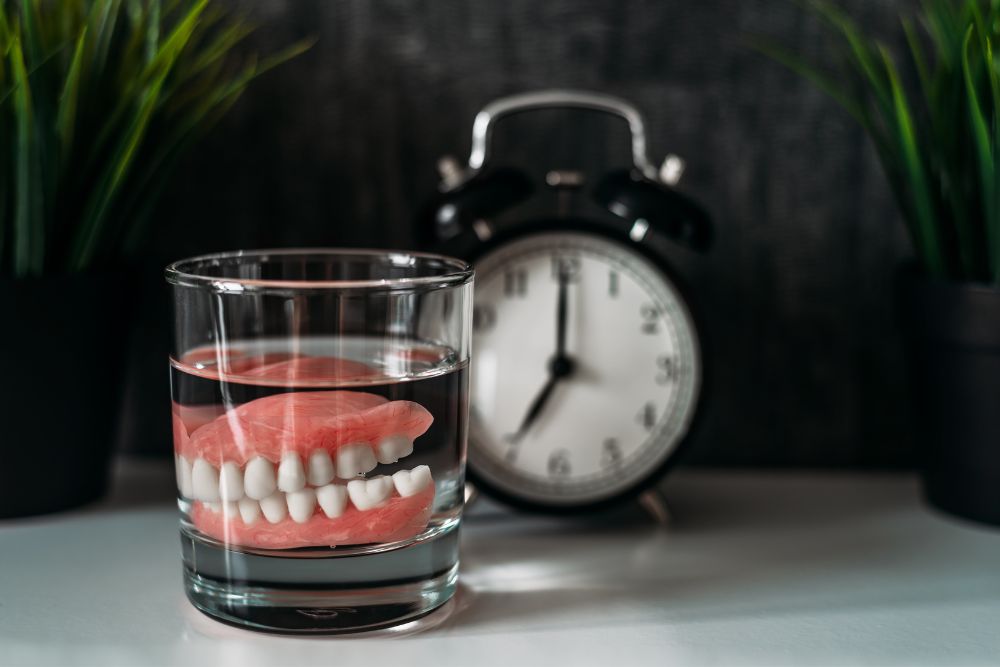
How Long After Dental Bridge Can I Eat: Dos and Don’ts for Healing
After getting a dental bridge, following proper post-care instructions supports healing and reduces the risk of complications. Initially, sticking to soft foods helps protect the bridge while your mouth adjusts to it.
Starting with options like smoothies and mashed potatoes allows for gentle chewing before gradually introducing semi-solid foods. Maintaining daily oral hygiene by brushing, flossing, and rinsing with mouthwash is critical.
Watching for signs of pain, swelling, or discomfort ensures any issues are addressed promptly. Consulting a trusted Encino dentist for guidance helps maintain the bridge’s durability and ensures a smooth recovery.

Immediate Post-Bridge Care Instructions
Right after receiving a dental bridge, take care to avoid disturbing the area. Gently clean the bridge using a soft-bristled toothbrush and non-abrasive toothpaste to prevent plaque buildup. Floss carefully around the bridge to remove debris without loosening it. Avoid hard or sticky foods that could shift the bridge or damage surrounding teeth.
If you experience discomfort, unusual pain, or instability in the bridge, please contact your dentist for an evaluation. Attending follow-up visits allows the dentist to confirm that the bridge is properly positioned and functioning as intended.
Soft Diet Recommendations for Recovery
A soft diet can make the healing process more comfortable and prevent damage to the new bridge. Soft foods reduce pressure on the area and minimize irritation. Smoothies are easy to consume and provide nutrients without requiring much chewing. Mashed potatoes are gentle on the gums and filling.
Yogurt is soothing and supports oral health while providing protein and probiotics. Eating these foods during the first weeks after placement allows the bridge and surrounding tissues to adjust safely.
Foods to Avoid After Dental Bridge Placement
Certain foods can jeopardize a newly placed dental bridge. Sticky items like caramels and chewing gum can pull at the bridge, while hard foods such as nuts, candies, or ice may crack or loosen it. Biting directly into firm foods like raw apples, corn on the cob, or tough meats can also cause damage.
During the healing period, softer alternatives such as cooked vegetables, tender meats, pasta, and other easy-to-chew foods are safer choices. Being mindful of your food selection helps protect the bridge while your mouth recovers.
Ideal Timeline for Resuming Regular Eating
After the initial healing period, you can gradually return to a regular eating routine while respecting the recovery process. During the first two weeks, focus on soft foods to avoid putting excessive pressure on the bridge.
In weeks three and four, introduce semi-solid foods that require light chewing, such as cooked vegetables and tender meats. By week five and beyond, most people can resume a normal diet, continuing to avoid foods that are extremely hard or sticky to maintain the integrity of the bridge.
Hygiene Tips for Maintaining Oral Health
Proper oral hygiene is critical for protecting a dental bridge and supporting long-term oral health. Brushing twice daily with a soft-bristled toothbrush and fluoride toothpaste helps keep the bridge and surrounding teeth clean and healthy.
Flossing carefully with regular floss or a floss threader removes trapped food and reduces plaque buildup. Using an antimicrobial mouth rinse can further minimize bacteria in the mouth.
Regular dental check-ups allow a dentist to monitor the bridge’s condition and overall oral health. Avoiding sticky or hard foods complements these hygiene practices to prevent damage and support healing.
Signs of Complications Requiring Professional Attention
Certain signs indicate that professional care is necessary after a dental bridge placement. Persistent pain around the bridge may suggest a problem that requires assessment. Swelling in the gums or face can be a warning of infection or irritation.
Difficulty chewing or noticing a change in bite alignment may indicate that the bridge needs to be adjusted. Addressing these issues promptly with your dentist can prevent further complications and support the long-term success of your dental bridge.
Related Topics:
Our Locations
Request an Appointment
Ultratooth: Immediate Dental Implants
Your teeth are designed to last a lifetime, but unfortunately, life may have other plans, forcing you to join the 178 million Americans who are missing at least one tooth. Although there are several replacement options, none excel in both form and function the way that dental implants do — mimicking your tooth right down to the roots. Now imagine that you can replace your tooth in just one visit with an option that will go the distance.

At Sargon Dental, our own Dr. Sargon Lazarof is the pioneer and inventor of Ultratooth, a dental implant restoration that is ready to perform after just one visit.
Here’s a look at how Ultratooth provides you with an immediate restoration option, giving you something to smile about.
Dental implants: The gold standard for missing teeth
Whether decay, disease, or an accident has robbed you of a tooth (or teeth), you need to find a replacement option that will help you smile, chew, and talk with ease. Checking all of these boxes are dental implants, which provide superior stability as we’re able to anchor the implant right into your jawbone. It’s for this reason, and more, that dentists place about five million implants each year in the United States.
One of the more serious problems that crops up with missing teeth is that you lose much more than meets the eye, namely the roots that go down into your jawbone. This loss causes bone deterioration since your jaw no longer registers activity in the area and ceases to rebuild the bone.
With a dental implant, we place a metal post into your jaw, and the bone builds up around it, fusing it into place. We then cap the post with a crown, which fits in seamlessly with your surrounding teeth.
Ultratooth: The platinum standard for missing teeth
Although there are many advantages to choosing a dental implant, the one challenge was that it was often a months-long process to place the implant because we had to wait for it to fuse into place before capping the implant.
Recognizing the need of our patients for faster replacement options, Dr. Sargon invented Ultratooth, which connects into your jawbone immediately after placement thanks to an innovative expansion feature that holds the implant in place. This feature allows you to use your tooth right away, while also allowing your jawbone to build up and around it naturally, further securing the implant.
To find out whether you’re a candidate for Ultratooth, Dr. Sargon first performs a complete evaluation of your dental and general health. Using advanced imaging, he ensures that your jawbone is healthy and that there are no signs of decay or disease.
Once he gives you the greenlight, Dr. Sargon is able to place the implant and crown in a single visit, allowing you to walk out with a tooth that’s clinically shown to last 30 years or more.
To get the most out of your Ultratooth implant, we recommend that you care for it as you would your existing teeth, which means brushing twice a day, flossing once a day, and rinsing after meals.
If you aren’t keen on the idea of waiting months to finally restore your smile, contact one of our locations in Encino or West Hollywood, California, to schedule your Ultratooth consultation.
Our Locations
Request an Appointment
How to Fix a Loose Dental Filling at Home and in the Dental Office
A loose dental filling can catch you off guard, but knowing your options makes handling it much easier. This post covers temporary home fixes, over-the-counter solutions, and what to expect at a trusted dental office when you need a permanent repair. We’ll break down the common causes of loose fillings so you can prevent them down the road. You’ll also find aftercare tips to keep your fillings in good shape for years. Acting fast on a loose filling helps you avoid bigger problems later.

Common Causes of Loose Fillings
Understanding why fillings come loose can help you avoid the problem in the future. Poor oral hygiene, which leads to decay around the filling, is one of the main culprits. Grinding or clenching your teeth puts extra pressure on fillings and can loosen them over time. Eating hard or sticky foods can also knock a filling out of place. Fillings may wear down with age or shift if they weren’t placed correctly from the start. Regular dental checkups help catch loose fillings early before they cause more damage. Keeping up with brushing and flossing, and being mindful of habits that stress your teeth, goes a long way toward preventing this issue.
Temporary Fixes at Home
When a filling comes loose unexpectedly, a few temporary fixes can hold you over until you can see a dentist. Start by cleaning the area with warm water to clear out any food or debris. Over-the-counter dental cement can temporarily hold the loose filling in place. Just make sure the filling is dry before applying it. Avoid chewing on the side with the loose filling to prevent more damage. These home fixes offer short-term relief, but getting professional care quickly is the best way to avoid complications and get a lasting solution.
Dental Wax as a Temporary Solution
Dental wax is another option for temporarily securing a loose filling until you can get to the dentist. It’s a soft, moldable material that covers the exposed or loose filling and adds a layer of protection. To use it, clean and dry the area, then take a small piece of wax and shape it over the affected spot. Press it gently into place and smooth it out to create a secure seal. While dental wax can reduce discomfort and protect the filling for a bit, it’s still a temporary fix. Professional care is needed to permanently resolve the underlying problem.
OTC Dental Cement Application
Over-the-counter dental cement offers a quick way to temporarily secure a loose filling and prevent further discomfort. To apply it, clean the affected area thoroughly and dry it completely. Mix the cement according to the package instructions. Using a clean dental tool, place the cement over the loose filling and shape it to fit comfortably in your mouth. Let it sit for the recommended time before eating or brushing. OTC dental cement provides temporary relief, but it’s not a long-term fix. Schedule an appointment with your dentist as soon as possible.
Professional Dental Solutions
When you visit the dentist for a loose filling, they’ll likely recommend dental bonding or a dental crown, depending on the extent of the damage. Dental bonding uses a tooth-colored resin that’s applied to the tooth surface and hardened with a special light. This method works well for minor repairs and restores the tooth’s shape and function with a natural look. A dental crown, on the other hand, is a custom-made cap that covers the entire tooth for added strength and protection. Your dentist will assess the extent of the damage and recommend the best option for your situation to provide a solid, long-lasting fix.
Prevention and Aftercare Tips
Good oral hygiene habits are your best defense against future filling problems. Brush your teeth at least twice a day, floss daily, and use an antiseptic mouthwash. Regular dental visits for checkups and cleanings help keep your fillings healthy. Here are some extra tips to protect your dental work:
- Avoid hard or sticky foods that can damage fillings
- Use a nightguard if you grind your teeth
- Stay hydrated to prevent dry mouth
- Quit smoking to support better oral health
Related Topics: