
Root canal treatments are supposed to clear out infection and save your tooth. But sometimes, an abscess sticks around even after the procedure is done. This can be frustrating and painful for patients who thought the problem was fixed. At West Hollywood’s best dental clinic, we see these cases and understand what’s behind them. This post breaks down the most common reasons an abscess might persist and what can actually be done about it.
Incomplete Removal of Infected Tissue
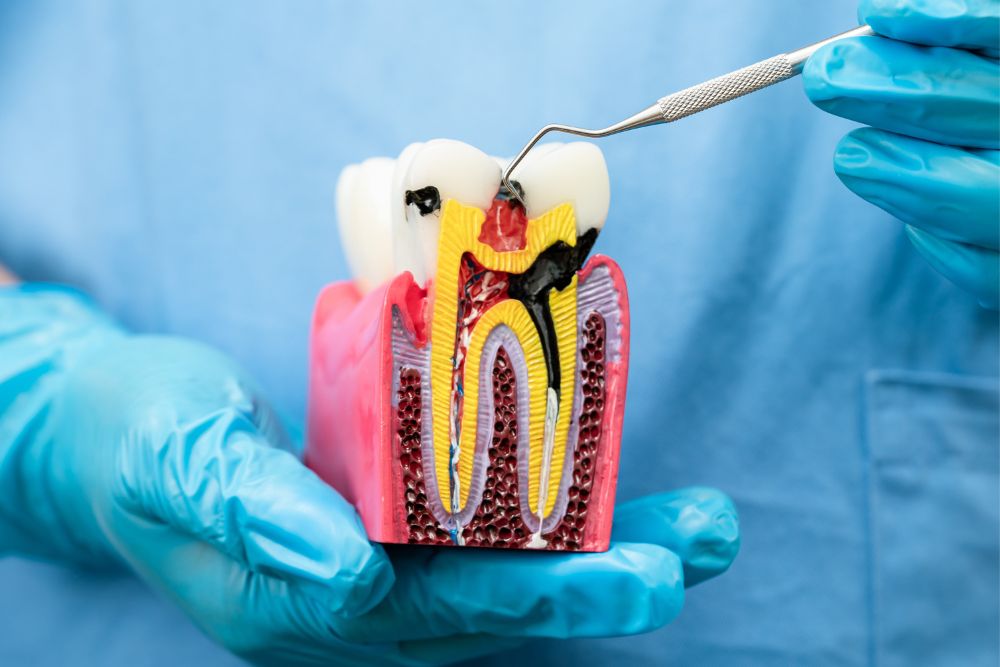
Root canal systems can be tricky to clean. Sometimes there are tiny side canals, fins, or narrow passages that hide bacteria. Standard hand tools don’t always reach these spots, leaving infected tissue behind. When that happens, the infection can flare back up and form an abscess. Using ultrasonic or rotary instruments along with microscopes helps dentists clean more thoroughly. Better cleaning reduces the risk of the abscess coming back.
Undetected Additional Canals
Finding every canal inside a tooth is harder than it sounds. Some teeth have extra canals that don’t appear on standard X-rays. If these get missed, bacteria hang out inside them and keep the infection going. Cone-beam CT scans and magnification tools make it easier to spot these hidden canals. An experienced endodontist knows where to look and how to thoroughly clean everything. Treating all the canals, not just the obvious ones, cuts down the risk of a lingering abscess.
Resistant Bacteria
Some bacteria are tougher than others. Strains such as Enterococcus faecalis and Porphyromonas gingivalis can form protective biofilms within the root canal. These biofilms make the bacteria harder to kill with standard cleaning solutions. Dentists may need to use advanced methods, such as laser-activated irrigation or specialized medications, to treat stubborn strains. Proper shaping and sealing of the canal also help eliminate these resistant bugs and prevent the abscess from lingering.
Poor Root Canal Treatment Quality
Not all root canals are done equally well. If the canals aren’t cleaned and shaped properly, or if infected tissue gets left behind, problems follow. Gaps in the filling material give bacteria a place to grow. Rushed procedures or less experienced practitioners can lead to these issues. Regular check-ups, magnification tools, and sticking to best practices all help improve treatment quality and reduce abscess risk.
Post-Treatment Complications
Even after a successful root canal, complications can still occur. Patients might experience ongoing pain, swelling, or a new abscess. This sometimes occurs due to missed canals, complex tooth anatomy, or incomplete disinfection. Thorough exams and imaging help catch these problems early. Proper sealing and restoring the tooth goes a long way in preventing issues down the line. When complications do happen, having your endodontist and general dentist communicating makes a big difference in getting things sorted out.
Delayed Crown Placement
Getting a crown placed quickly after your root canal matters more than most people realize. Waiting too long can cause problems:
- Risk of Bacterial Entry: Without a crown, bacteria can sneak back into the tooth through the access hole, restarting the infection.
- Weakened Tooth Structure: An unprotected tooth is more likely to crack or break, potentially leading to its loss.
- Appearance Issues: For front teeth, skipping or delaying the crown can affect how your smile looks and impact your confidence.
Getting your crown placed on time protects your investment in the root canal and keeps the tooth healthy for years to come.
Related Topics:
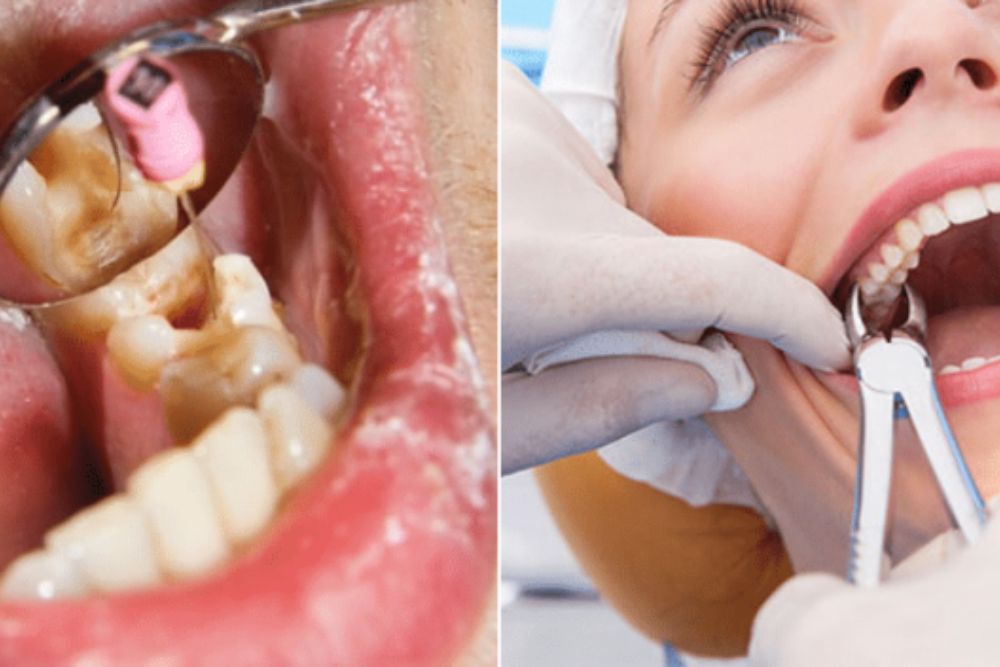
Choosing between a root canal and tooth extraction isn’t always straightforward. Both procedures address serious dental problems, but they come with different benefits, drawbacks, and long-term effects on your oral health. The recommended dental offices in Encino can help you weigh your options based on your specific situation. This post covers the pros and cons of each procedure, costs, recovery times, and what factors matter most when making your decision. Understanding the differences will help you pick the right path for your teeth.
Pros and Cons of Root Canal
Knowing the benefits and drawbacks of a root canal helps you make a smarter choice about your dental health. Root canals let you keep your natural tooth, which means you won’t need replacements like dental implants or bridges down the road. The procedure also eliminates pain and infection caused by severe decay or damage to the tooth’s inner pulp. On the downside, root canals may take multiple dentist visits to complete, and there’s a small chance of reinfection if the tooth isn’t sealed properly. The upfront cost also tends to run higher than a simple extraction. Weighing these factors can point you toward the best option for your situation.
Pros and Cons of Tooth Extraction
When considering pulling a tooth, you need to weigh the pros and cons before moving forward. One major benefit of extraction is the immediate relief it brings from severe pain or infection. Removing a problem tooth can also stop infection from spreading to nearby teeth and gums. The downside? Extraction can affect the teeth around it and change the overall structure of your mouth. Losing a tooth can create problems with chewing, speaking, and the alignment of your remaining teeth. Talk to your dentist to determine whether extraction is the best option for your dental health.
Cost Considerations for Each Procedure
Money matters when it comes to dental work, so it’s worth comparing the price tags for both options. Root canal treatment usually costs more upfront than extraction. The procedure’s complexity, the number of roots involved, and the crown you’ll likely need afterward all add to the total. Tooth extraction might look like the cheaper choice at first glance. But think about the long-term picture, pulling a tooth without replacing it can lead to extra costs for implants, bridges, or dentures later on. It makes sense to compare the initial price against what you might spend down the road when deciding between a root canal and extraction.
Recovery Time Comparison
Recovery looks different depending on which procedure you go with. After a root canal, most people get back to their normal routine right away, though mild soreness or sensitivity can persist for a few days. Tooth extraction typically takes longer to heal from. The initial recovery period runs about 1-2 weeks, and you’ll need to follow specific aftercare instructions to avoid complications. Keep in mind that healing times vary from person to person, depending on factors such as overall health, how well you follow post-treatment care, and the complexity of the procedure.
Impact on Oral Health
Root canal treatment and tooth extraction affect your oral health in very different ways over time. A root canal aims to save your natural tooth by removing the infected pulp, cleaning out the root canal, and sealing it to block future infection. This keeps your tooth working normally, maintains proper jaw alignment, and stops neighboring teeth from shifting out of place. Extraction means removing the entire tooth, which can cause bone loss, make chewing harder, and, over time, throw off the alignment of surrounding teeth. While both procedures have their place, going with a root canal when possible often leads to better overall oral health and a more natural smile in the long run.
Factors Influencing the Decision-Making Process
Several things come into play when deciding between a root canal and extraction. The extent of the tooth’s damage matters most. If the damage only reaches the pulp, a root canal might do the job; if the tooth structure is badly compromised, extraction could be the better call. Your overall oral health, including gum condition and bone density, also factors into the decision. Where the tooth sits in your mouth, how it functions when you chew, and how easy it is to keep that area clean all play a role, too. Budget concerns, such as insurance coverage and out-of-pocket expenses, can also tip the scales. Talking through these factors with your dentist helps you make the right call.
Related Topics: