
Keeping your dentures clean at home is easier than you might think. Finding reliable dental care starts with proper home maintenance of your dentures. This guide walks you through simple daily and weekly cleaning steps that anyone can follow. We’ll cover what supplies you need, how to create a cleaning routine, and tips to keep your dentures in great shape. These methods help maintain good mouth health and keep your smile looking its best.
Importance of Denture Cleaning
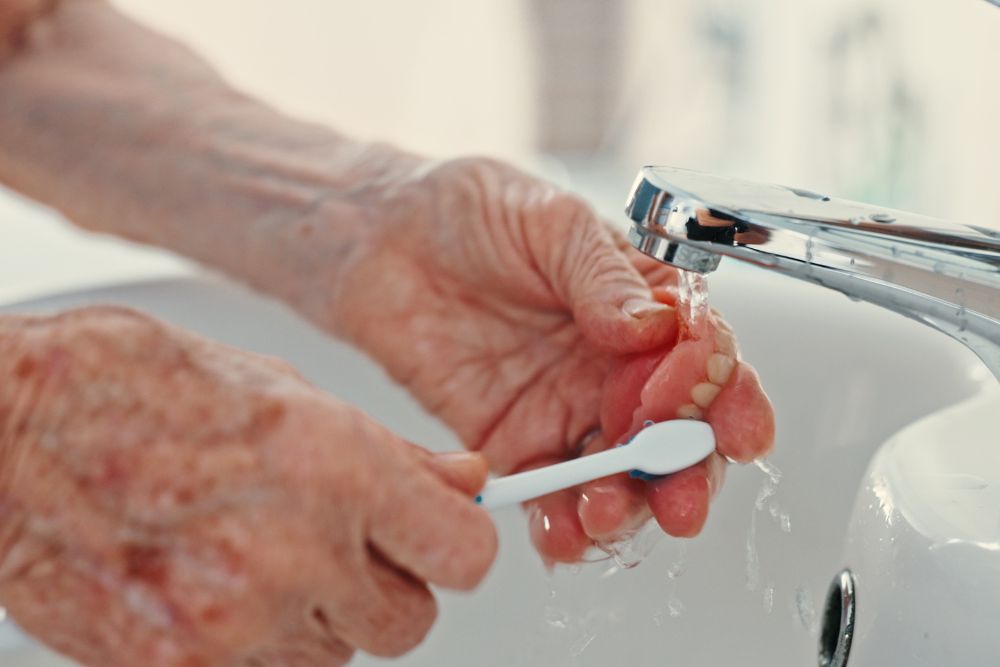
Cleaning dentures every day is vital for good mouth health and preventing problems. When you don’t clean dentures properly, plaque builds up and bacteria grow, which can cause infections. Good cleaning keeps your dentures lasting longer and protects your gums and any natural teeth you still have. Dirty dentures collect food bits and germs that create bad breath and make your gums sore. Unclean dentures can also cause oral thrush and other mouth infections. Setting up a regular cleaning schedule with the right methods helps keep your dentures clean and your mouth healthy.
Materials Needed for Cleaning
You’ll need a few basic items to clean your dentures well at home. Get a denture brush with soft bristles to scrub away food and plaque without scratching the denture surface. Use mild dish soap for daily cleaning to remove debris and germs safely. Pick up a denture cleaning solution for deeper cleaning that removes stains and bad-smelling bacteria. You’ll also need a container for soaking the dentures and a soft towel for drying them after cleaning. Having these supplies ready makes your denture cleaning routine quick and complete.
Daily Cleaning Routine
Clean your dentures every day with these simple steps. Rinse your dentures after each meal to wash away food particles. Use a soft brush and mild denture cleaner to gently scrub all surfaces, including the grooves and hard-to-reach spots. Don’t use regular toothpaste because it’s too rough and can damage your dentures. Clean your gums and any remaining natural teeth too for complete mouth care. Soak your dentures overnight in cleaning solution or water to keep them moist and prevent cracking. Following this daily routine helps your dentures last longer and keeps your mouth healthy.
Weekly Deep Cleaning Steps
Do a thorough deep cleaning once a week to keep your dentures in top condition. Please take out your dentures and rinse them with warm water to remove loose food bits. Brush them with a soft denture brush and mild cleaner, avoiding regular toothpaste that’s too harsh. Soak your dentures in denture cleaning solution or a mix of water and vinegar for 20-30 minutes to remove tough stains and kill bacteria. Rinse them well before putting them back in your mouth. This weekly deep clean keeps your dentures looking good and staying hygienic.
Tips for Maintaining Denture Hygiene
Keep your dentures in great shape with these helpful tips:
- Rinse dentures after every meal to stop food buildup
- Use gentle, circular motions when brushing to avoid damage
- Handle dentures carefully to prevent drops and cracks
- Soak overnight in denture solution to keep them moist
- Visit your dentist regularly to check the fit and condition
- Avoid hot water that can warp the denture material
- Don’t use harsh cleaners or bleach products
Following these simple tips helps your dentures stay clean, comfortable, and long-lasting while keeping your mouth healthy.
Related Topics:
Proper denture care at night helps keep your teeth healthy and comfortable. Your dentist will recommend cleaning routines that work best for your situation. Finding excellent dental services means getting advice on the right soaking solutions for your dentures. This guide explains the best ways to soak your dentures overnight and why it matters for your oral health.
Importance of Nightly Denture Soaking
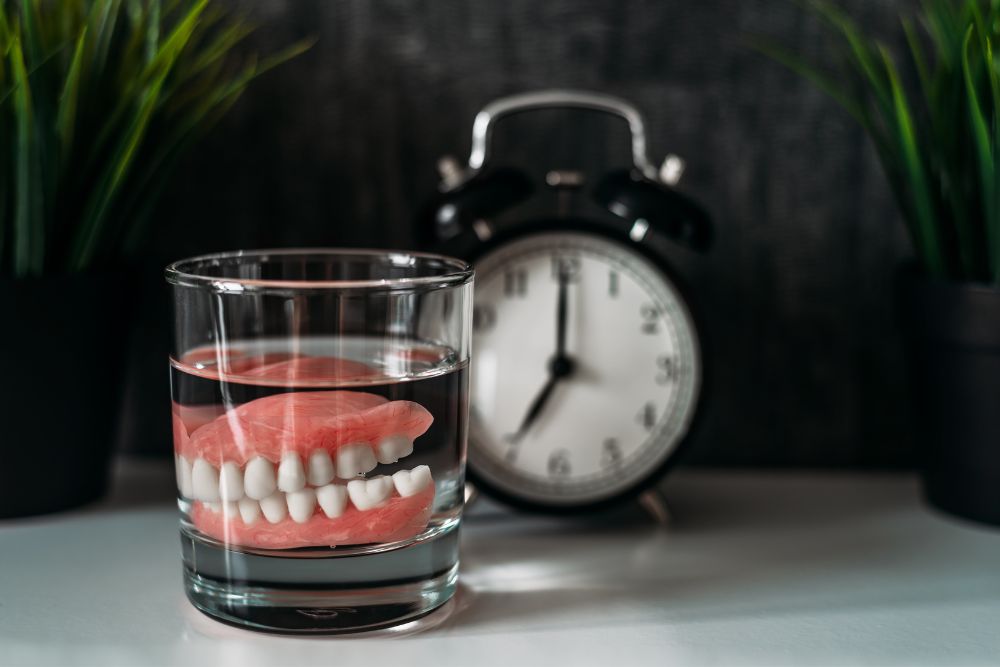
Soaking your dentures every night keeps them clean and healthy. During the day, plaque, bacteria, and food bits stick to your dentures and create problems if left alone. Soaking overnight helps remove these deposits and prevents buildup of tartar and stains. The soaking process also removes stubborn debris that brushing alone can’t handle. When you soak your dentures each night, you keep them fresh, clean, and free from germs that could cause infections. Make this a daily habit to protect your mouth and help your dentures last longer.
Best Soaking Solutions for Dentures
Picking the right soaking solution keeps your dentures in good shape. Choose products made just for denture care rather than regular household items. Denture cleaning tablets or fizzing solutions work well because they remove stains, plaque, and bacteria effectively. These products clean your dentures while helping them look good and last longer. You can also use equal parts white vinegar and water as a natural cleaning option. Always rinse your dentures well after soaking to remove any leftover solution. Never use bleach or harsh chemicals because they can damage your dentures. Pick a solution that’s gentle but still cleans well.
Tips for Effective Denture Cleaning
Good cleaning habits help your dentures stay in great condition. Follow these simple tips for the best results:
- Brush Daily: Use a soft brush made for dentures to remove food and plaque buildup.
- Use Mild Soap: Clean with gentle soap or denture cleaner to avoid damaging the material.
- Soak Regularly: Keep your dentures in cleaning solution or water overnight to stay moist and clean.
- Handle with Care: Don’t use hot water, rough cleaners, or harsh chemicals; always handle gently to prevent breaking.
Common Mistakes to Avoid
Some cleaning mistakes can hurt your dentures and make them wear out faster. Never use hot water because it can warp the shape of your dentures. Don’t use harsh or rough cleaners that can scratch the surface. Regular toothpaste is too abrasive and can damage dentures, so avoid using it. Don’t let dentures air-dry completely because they can lose their shape. Always handle your dentures carefully to prevent drops and breaks. Avoiding these mistakes helps your dentures stay clean and last longer.
FAQs About Denture Soaking
Here are answers to common questions about soaking dentures:
How often should I soak my dentures?
- Soak your dentures every night to remove plaque and bacteria effectively.
Can I use regular mouthwash to soak my dentures?
- No, regular mouthwash can be too strong for dentures. Use denture cleaner or special soaking solutions instead.
Should I rinse my dentures after soaking them overnight?
- Yes, always rinse your dentures well after soaking to remove any leftover cleaning solution.
Can I leave my dentures soaking for more than one night?
- It’s better not to soak dentures for more than one night, as it may change the material and how they fit.
Related Topics:
Finding the best dentures to get means looking at cost, quality, and what works best for your mouth. A top-rated dentist in Encino can help you understand the different types available and which materials will work best for you. Professional dentists understand that each person requires unique solutions tailored to their budget and dental health needs. You’ll want to learn about full dentures, partial dentures, and implant-supported options before making your choice. The right dentures will give you confidence to eat, speak, and smile comfortably.
Types of Dentures Available
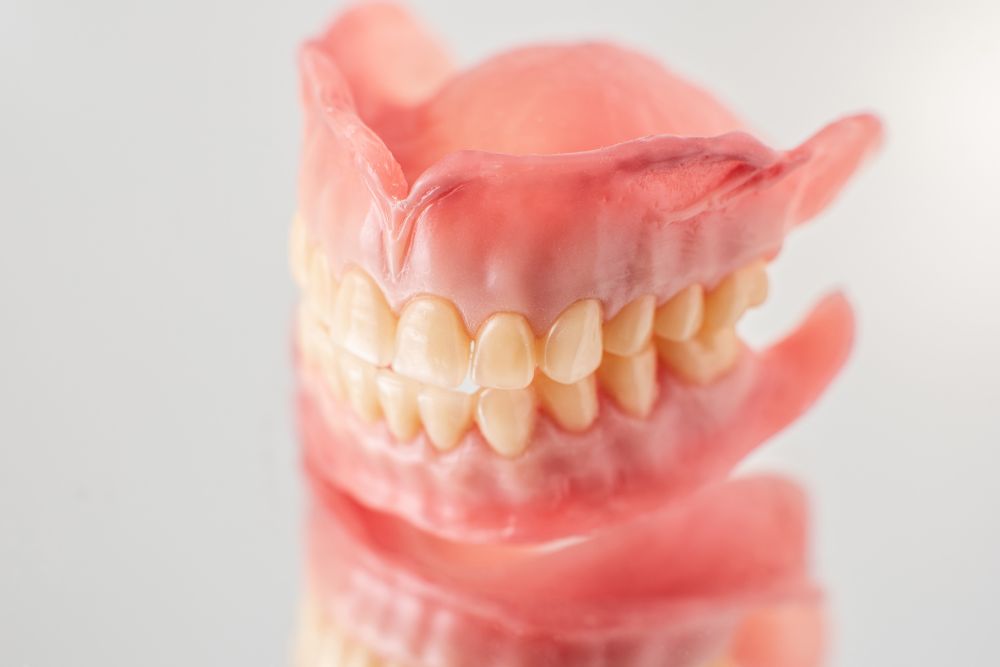
Understanding your denture options helps you choose the right one for your needs. Complete dentures work for people who have lost all their teeth, while partial dentures fit around your remaining natural teeth. Immediate dentures go in right after tooth removal, so you don’t have to go without teeth. Overdentures sit on top of natural teeth or dental implants for better stability. Flexible dentures feel more comfortable and weigh less than regular hard plastic ones. Implant-supported dentures attach to metal posts in your jawbone for the most secure fit. Each type has different benefits depending on your situation.
Factors to Consider Before Choosing
Several important factors should guide your denture selection. Your gum health and any remaining teeth will determine which denture types are possible for you. Budget considerations matter since costs vary significantly between different denture styles and materials. The materials used affect how long your dentures will last and how comfortable they feel daily. Your dentist’s experience with dentures can make a big difference in the final result. Consider your eating habits and social activities, as some denture types are better suited for these situations than others. Taking time to weigh these factors helps you make the right choice for your long-term oral health.
Affordable Denture Options
Budget-friendly dentures don’t have to mean poor quality. Traditional full dentures offer a complete tooth replacement solution at reasonable prices. Partial dentures cost less than full sets since they only replace missing teeth. Flexible dentures provide comfort at a moderate price point using bendable materials. Some dental offices offer payment plans that make higher-quality options more accessible. Dental schools sometimes provide denture services at reduced rates with student dentists under supervision. Community health centers may offer sliding fee scales based on income. Research local options and ask about financing to find dentures that fit your budget without sacrificing basic quality.
Quality Denture Options
High-quality dentures use better materials and construction methods for improved results. Acrylic resin dentures offer good strength and natural appearance when made properly. Digital scanning creates more precise impressions than traditional methods. 3D printing allows for exact customization and better fitting dentures. Premium dentures often include metal reinforcement for added strength and longer life. Some high-end options use layered materials that mimic natural tooth translucency. Quality dentures require skilled technicians and more time to create, which reflects in the higher cost. The investment often pays off through better comfort, appearance, and durability over many years of use.
Pros and Cons of Denture Materials
Each denture material offers different benefits and drawbacks. Acrylic resin dentures cost less and can be easily repaired, but they may stain over time and wear down faster than other materials. Cobalt-chromium dentures last longer and feel less bulky in your mouth, though they cost more upfront. Flexible dentures feel more natural and comfortable to wear, but they don’t last as long and may need replacement sooner. Porcelain teeth look very natural but can chip if dropped or stressed. Consider your daily habits, budget, and how long you expect to use the dentures when choosing materials. Your dentist can explain which materials work best for your specific situation.
Maintaining Your Dentures for Longevity
Proper care keeps your dentures working well for years. Here are key practices for denture maintenance:
- Daily Cleaning: Brush your dentures with a soft-bristled brush and mild cleaner to remove food and prevent stains.
- Proper Storage: Keep dentures in cleaning solution or water when not wearing them to prevent warping.
- Regular Check-ups: Visit your dentist regularly to check the fit and catch problems early.
- Handle with Care: Avoid dropping dentures or using hot water, which can damage or warp them.
Related Topics:
Dealing with broken dentures can be stressful and uncomfortable, but knowing how to fix broken dentures can help ease the situation. Trusted dentists recommend checking the damage first to understand what needs to be fixed in broken dentures. This guide explains simple steps to help with temporary repairs and when you need professional care. Finding reliable dental repair services makes the difference between a quick fix and a long-term solution. Understanding your options helps you make the best choice for your situation.
Assessing the Damage
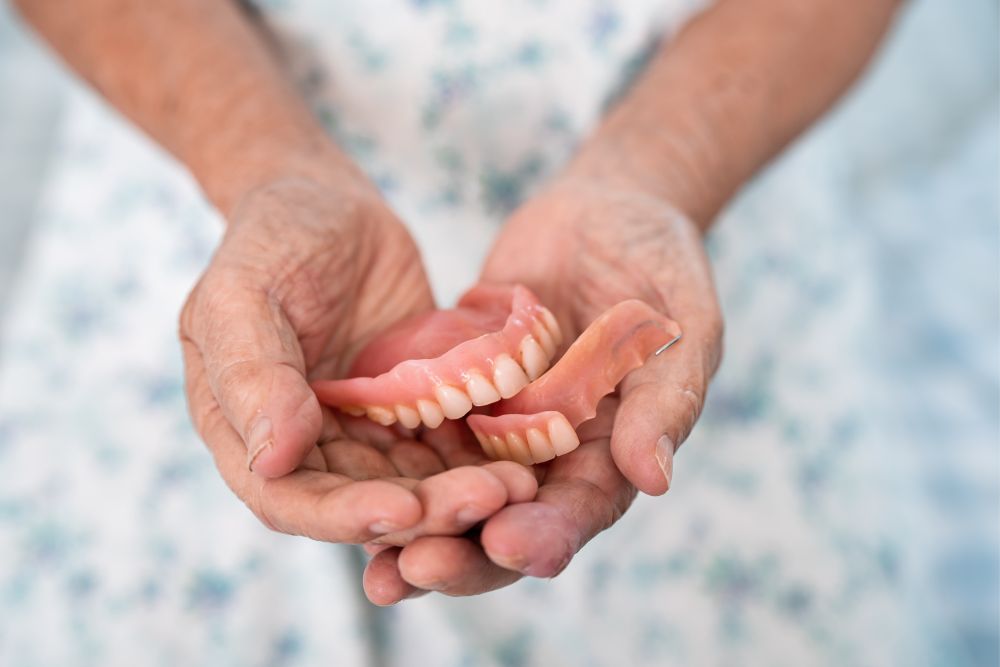
Start by looking at your broken dentures carefully to see what’s wrong. Check for cracks, chips, or missing pieces on the teeth and base. Look at any metal or plastic parts that might be loose or broken. Be careful around sharp edges to avoid cutting yourself. Try putting the dentures in your mouth to see if they still fit properly. Notice any changes in how they feel or if they cause pain. Write down what you find so you can tell your dentist later. This helps you decide if you can fix them yourself or need professional help.
Temporary Fixes at Home
You can try some quick fixes at home while waiting for professional help. Denture repair kits from the pharmacy work well for small breaks. For immediate fixes, denture adhesive or temporary dental cement can hold pieces together temporarily. Clean and dry the denture completely before applying any adhesive. Follow the product directions carefully, and remember these fixes won’t last long—you’ll still need professional repair for a permanent solution.
Using Denture Repair Kits
Denture repair kits offer a handy way to fix minor damage before seeing a dentist. These kits come with tools and materials needed for basic home repairs. Here are the main benefits:
- Convenience: Easy to buy online or at local stores
- Cost-effective: Much cheaper than dentist visits
- Quick Fix: Most repairs take just minutes
- Temporary Solution: Perfect for small damage until you can see a dentist
- Easy to Use: Clear instructions make them simple to follow
When to Consult a Dentist
See a dentist right away if your denture has serious damage that home fixes can’t handle. Large cracks, missing chunks, or problems with how the denture fits need professional attention. If your dentures cause pain, sores, or don’t stay in place properly, don’t wait to get help. Dentists have special tools and training to fix complex problems and make sure your dentures work properly again.
Professional Repair Process
When you visit a dentist for denture repair, they follow specific steps to fix the problem correctly. The professional repair process includes:
- Assessment of Damage: The dentist examines the denture to see exactly what’s wrong
- Precision Alignment: If pieces need to be repositioned, the dentist makes sure everything fits perfectly
- Bonding and Adhesion: Special dental materials permanently attach broken pieces
- Finishing and Polishing: The repaired denture gets smoothed and shaped for comfort
- Quality Check: The dentist tests the repair to make sure it works before you take it home
Maintenance Tips for Longevity
Taking good care of your dentures helps them last longer and prevents future breaks. Clean your dentures every day with a soft brush and gentle cleaner to remove food and bacteria. Handle them carefully over a towel or sink filled with water to prevent damage if you drop them. Rinse your dentures after eating to keep them fresh and clean. When you’re not wearing them, keep your dentures in a cleaning solution or water so they don’t dry out and crack. Visit your dentist regularly to check the fit and catch problems early.
Related Topics:
Loose dentures can be frustrating and uncomfortable for many people. This guide shows you simple steps to tighten loose dentures at home before visiting your dentist. Professional dental care providers often recommend trying basic solutions first to improve denture fit and comfort. You’ll learn about checking your denture fit, using helpful products, and making small adjustments yourself. These methods can help you get better results with comprehensive dental solutions.

Assessing Denture Fit
Start by testing how well your dentures fit in your mouth. Bite down gently and move your jaw from side to side to check for movement or pain. Your upper denture should stick to the roof of your mouth without sliding around. The lower denture should sit firmly on your gums without lifting when you talk or eat. Look for gaps between the denture and your gums, as these spaces can cause problems. Check that your bite feels normal and you can speak clearly without the dentures clicking or slipping.
Using Denture Adhesives
Apply denture adhesives lightly, following the package directions to improve stability and comfort. Clean and dry your dentures completely before putting on any adhesive. Place the adhesive as thin strips or small dots, staying away from the edges to prevent excess material from squeezing out. Using too much adhesive can actually worsen the fit and cause discomfort. If your dentures still feel loose even with adhesive, you may need professional adjustments or a visit to a dentist to get the right fit.
Adjusting Denture Pads
Adjusting denture pads can significantly enhance the comfort and fit of your dentures. Here are some easy steps to adjust denture pads at home:
- Identify Pressure Points: Wear your dentures carefully to find areas causing discomfort.
- Trim Excess Material: Use small scissors to cut away any extra material on the denture pad.
- Apply Pressure: Press gently on the adjusted area to make sure it fits properly.
- Test and Refine: Wear the dentures and make more changes as needed until you get a comfortable fit.
Applying DIY Reline Kits
After finding pressure points through pad adjustments, you might want to try DIY reline kits for a better custom fit. These kits provide an affordable option for fixing loose dentures at home. Most kits include a soft material that molds to your gum shape, creating a more secure and comfortable fit. To use the reline kit, start with clean, dry dentures. Mix the materials following the kit directions and spread the mixture evenly on the denture. Place the denture in your mouth and bite down gently, then wait for the setting time the kit recommends. DIY reline kits can be a handy way to improve denture fit without needing professional help.
Trying Over-the-Counter Solutions
Over-the-counter products offer convenient ways to address loose dentures without professional help. When looking for these solutions, keep these options in mind:
- Denture Adhesives: These can improve your dentures’ fit and provide extra stability.
- Cushion Grip: A soft, silicone-based material you can apply to dentures for better comfort and fit.
- Denture Pads: These pads help fill gaps and create a better seal for loose dentures.
- Denture Relining Kits: Store-bought kits that let you reline your dentures at home for a better fit.
These solutions may offer temporary relief from loose dentures until you find a permanent fix.
Seeking Professional Help if Needed
If store-bought solutions don’t provide enough relief for loose dentures, seeking professional help from a dentist or prosthodontist may be necessary to address the issue effectively. Dentists have the skills to check the fit of your dentures and make any necessary adjustments. They may suggest relining the dentures, adjusting the clasps, or even making new dentures if required. A prosthodontist specializes in restoring and replacing teeth, providing advanced care for complex denture problems. During your visit, the dental professional will examine your mouth thoroughly, discuss treatment options, and make sure your dentures fit comfortably and securely. Don’t wait to seek professional help if your loose dentures continue despite trying home remedies.
Related Topics:
Trusted dental professionals recommend several effective methods to remove tartar from dentures quickly and safely at home. This guide covers simple cleaning techniques, helpful products, and expert advice for keeping your dentures clean. You’ll learn about basic cleaning steps, do-it-yourself removal methods, and the best products available. We’ll also share trusted dentist tips for preventing tartar buildup and maintaining healthy dentures. These proven methods help ensure your dentures stay clean and comfortable for daily use.
Denture Cleaning Basics
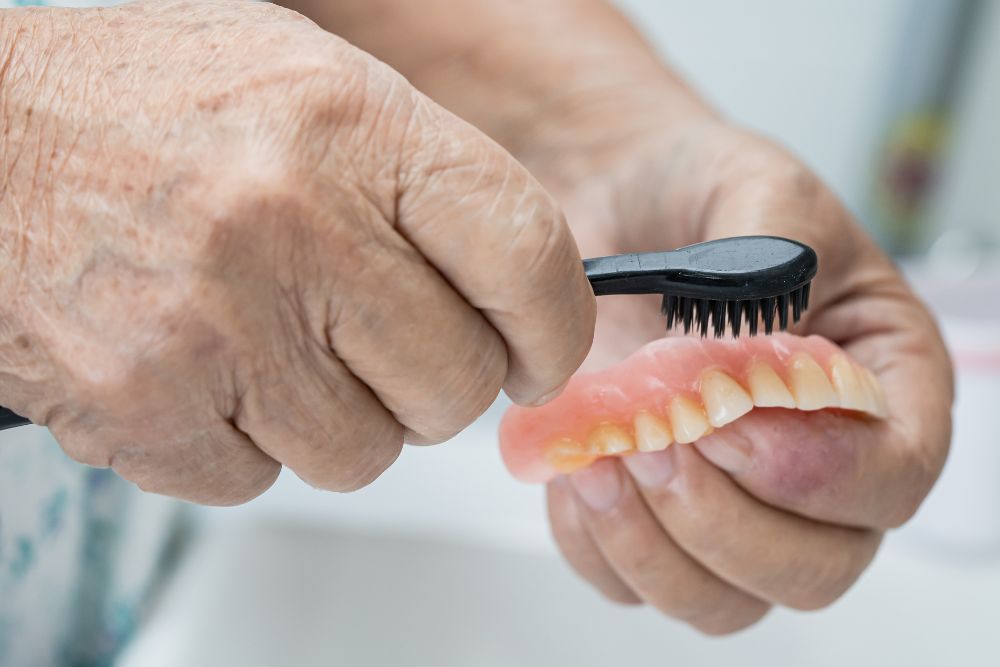
Daily denture cleaning prevents tartar buildup and keeps your mouth healthy. Use a soft-bristle brush with mild soap or denture paste to remove food and plaque. Never use harsh cleaners, hot water, or rough materials that can scratch or damage your dentures. Soak dentures in a cleaning solution or a vinegar-water mix to loosen tartar and stains. Always rinse well after cleaning to remove any leftover solution that might hurt your gums. Regular cleaning keeps dentures looking good and prevents tartar that can cause mouth problems.
DIY Tartar Removal Techniques
You can remove tartar from dentures at home using simple, gentle methods. One way to do this is to make a paste with baking soda and water, then gently scrub the dentures to help break up the tartar buildup. Another method is to soak the dentures in a mixture of equal parts vinegar and water for 15-20 minutes, then brush them with a soft brush. You can also use denture cleaners or fizzy tablets made specifically for tartar removal. Always handle dentures carefully during cleaning to avoid breaking them. When done regularly and properly, these home methods help keep your dentures clean and last longer.
Best Tartar-Removing Products
Try denture cleaning tablets or solutions specifically designed for removing tartar buildup as effective options for removing tartar from dentures. Here are four top tartar-removing products to try:
- Polident Denture Cleanser Tablets: Fizzy tablets that break down tartar and stains.
- Efferdent Denture Cleanser: Kills 99.9% of odor-causing bacteria while removing tartar.
- Steraligner Denture Cleaner Solution: Removes tartar and stops it from building up on dentures.
- Retainer Brite Cleaning Tablets: Gentle yet powerful in removing tartar and plaque from dentures.
These products are made to fight tartar well, giving your dentures a deep clean.
Expert Tips for Tartar Prevention
Following expert advice for stopping tartar buildup on dentures can really help make tartar-removing products work better. To prevent tartar, set up a good cleaning routine. Brush dentures daily using a soft brush and gentle cleaner to remove food bits and plaque, which can turn into tartar. Soaking dentures overnight in a denture cleaning solution also helps prevent tartar buildup by loosening plaque and bacteria. Regular dental checkups are key since your dentist can spot early signs of tartar buildup and provide professional cleanings. Using these prevention methods can greatly reduce tartar formation on dentures and keep your mouth healthy.
Professional Denture Cleaning Services
We suggest getting professional denture cleaning services to make sure all tartar and plaque are removed completely. Professional cleanings give you a deeper clean that can be hard to do at home. Here are four reasons why professional denture cleaning services help:
- Specialized Equipment: Professionals use advanced tools to remove tartar well.
- Expertise: Trained professionals know how to clean dentures without causing damage.
- Thorough Cleaning: Professionals can reach hard-to-clean areas for a complete cleaning.
- Preventive Care: Regular professional cleanings help prevent tartar buildup and maintain oral health.
Maintaining Tartar-Free Dentures
To keep dentures free of tartar at home, regular cleaning and proper mouth care are needed. Clean your dentures every day to prevent tartar buildup. Use a soft brush or denture brush with gentle toothpaste to carefully remove food bits and plaque. Make sure you clean all parts of the dentures, including the grooves and spaces where tartar can collect. Soaking your dentures in a denture cleaning solution regularly helps prevent tartar from forming. Follow the instructions on any cleaning products to avoid damaging your dentures. By sticking to a regular denture cleaning routine and practicing good mouth care, you can keep your dentures tartar-free for the best oral health.
Related Topics: