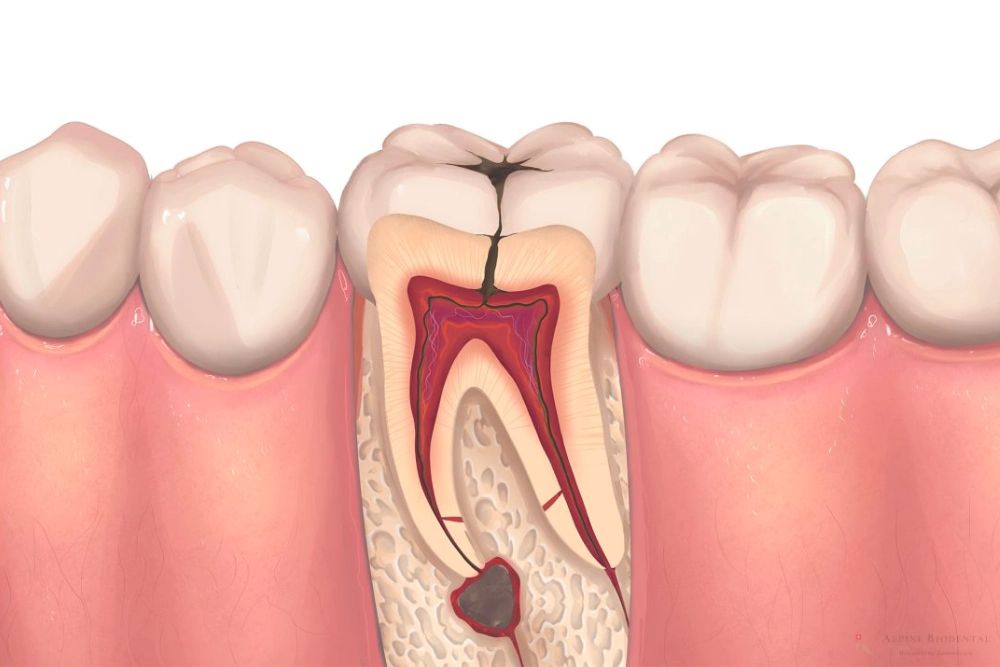
Root canal treatments are supposed to clear out infection and save your tooth. But sometimes, an abscess sticks around even after the procedure is done. This can be frustrating and painful for patients who thought the problem was fixed. At West Hollywood’s best dental clinic, we see these cases and understand what’s behind them. This post breaks down the most common reasons an abscess might persist and what can actually be done about it.
Incomplete Removal of Infected Tissue
Root canal systems can be tricky to clean. Sometimes there are tiny side canals, fins, or narrow passages that hide bacteria. Standard hand tools don’t always reach these spots, leaving infected tissue behind. When that happens, the infection can flare back up and form an abscess. Using ultrasonic or rotary instruments along with microscopes helps dentists clean more thoroughly. Better cleaning reduces the risk of the abscess coming back.
Undetected Additional Canals
Finding every canal inside a tooth is harder than it sounds. Some teeth have extra canals that don’t appear on standard X-rays. If these get missed, bacteria hang out inside them and keep the infection going. Cone-beam CT scans and magnification tools make it easier to spot these hidden canals. An experienced endodontist knows where to look and how to thoroughly clean everything. Treating all the canals, not just the obvious ones, cuts down the risk of a lingering abscess.
Resistant Bacteria
Some bacteria are tougher than others. Strains such as Enterococcus faecalis and Porphyromonas gingivalis can form protective biofilms within the root canal. These biofilms make the bacteria harder to kill with standard cleaning solutions. Dentists may need to use advanced methods, such as laser-activated irrigation or specialized medications, to treat stubborn strains. Proper shaping and sealing of the canal also help eliminate these resistant bugs and prevent the abscess from lingering.
Poor Root Canal Treatment Quality
Not all root canals are done equally well. If the canals aren’t cleaned and shaped properly, or if infected tissue gets left behind, problems follow. Gaps in the filling material give bacteria a place to grow. Rushed procedures or less experienced practitioners can lead to these issues. Regular check-ups, magnification tools, and sticking to best practices all help improve treatment quality and reduce abscess risk.
Post-Treatment Complications
Even after a successful root canal, complications can still occur. Patients might experience ongoing pain, swelling, or a new abscess. This sometimes occurs due to missed canals, complex tooth anatomy, or incomplete disinfection. Thorough exams and imaging help catch these problems early. Proper sealing and restoring the tooth goes a long way in preventing issues down the line. When complications do happen, having your endodontist and general dentist communicating makes a big difference in getting things sorted out.
Delayed Crown Placement
Getting a crown placed quickly after your root canal matters more than most people realize. Waiting too long can cause problems:
- Risk of Bacterial Entry: Without a crown, bacteria can sneak back into the tooth through the access hole, restarting the infection.
- Weakened Tooth Structure: An unprotected tooth is more likely to crack or break, potentially leading to its loss.
- Appearance Issues: For front teeth, skipping or delaying the crown can affect how your smile looks and impact your confidence.
Getting your crown placed on time protects your investment in the root canal and keeps the tooth healthy for years to come.
Related Topics: