
Your teeth are designed to last a lifetime, but unfortunately, life may have other plans, forcing you to join the 178 million Americans who are missing at least one tooth. Although there are several replacement options, none excel in both form and function the way that dental implants do — mimicking your tooth right down to the roots. Now imagine that you can replace your tooth in just one visit with an option that will go the distance.

At Sargon Dental, our own Dr. Sargon Lazarof is the pioneer and inventor of Ultratooth, a dental implant restoration that is ready to perform after just one visit.
Here’s a look at how Ultratooth provides you with an immediate restoration option, giving you something to smile about.
Dental implants: The gold standard for missing teeth
Whether decay, disease, or an accident has robbed you of a tooth (or teeth), you need to find a replacement option that will help you smile, chew, and talk with ease. Checking all of these boxes are dental implants, which provide superior stability as we’re able to anchor the implant right into your jawbone. It’s for this reason, and more, that dentists place about five million implants each year in the United States.
One of the more serious problems that crops up with missing teeth is that you lose much more than meets the eye, namely the roots that go down into your jawbone. This loss causes bone deterioration since your jaw no longer registers activity in the area and ceases to rebuild the bone.
With a dental implant, we place a metal post into your jaw, and the bone builds up around it, fusing it into place. We then cap the post with a crown, which fits in seamlessly with your surrounding teeth.
Ultratooth: The platinum standard for missing teeth
Although there are many advantages to choosing a dental implant, the one challenge was that it was often a months-long process to place the implant because we had to wait for it to fuse into place before capping the implant.
Recognizing the need of our patients for faster replacement options, Dr. Sargon invented Ultratooth, which connects into your jawbone immediately after placement thanks to an innovative expansion feature that holds the implant in place. This feature allows you to use your tooth right away, while also allowing your jawbone to build up and around it naturally, further securing the implant.
To find out whether you’re a candidate for Ultratooth, Dr. Sargon first performs a complete evaluation of your dental and general health. Using advanced imaging, he ensures that your jawbone is healthy and that there are no signs of decay or disease.
Once he gives you the greenlight, Dr. Sargon is able to place the implant and crown in a single visit, allowing you to walk out with a tooth that’s clinically shown to last 30 years or more.
To get the most out of your Ultratooth implant, we recommend that you care for it as you would your existing teeth, which means brushing twice a day, flossing once a day, and rinsing after meals.
If you aren’t keen on the idea of waiting months to finally restore your smile, contact one of our locations in Encino or West Hollywood, California, to schedule your Ultratooth consultation.
If you are missing most or all of your teeth but want more stability than traditional removable dentures can provide, implant-supported dentures may be an effective tooth replacement option. Instead of resting only on the gums, these dentures are stabilized by dental implants placed in the jawbone.
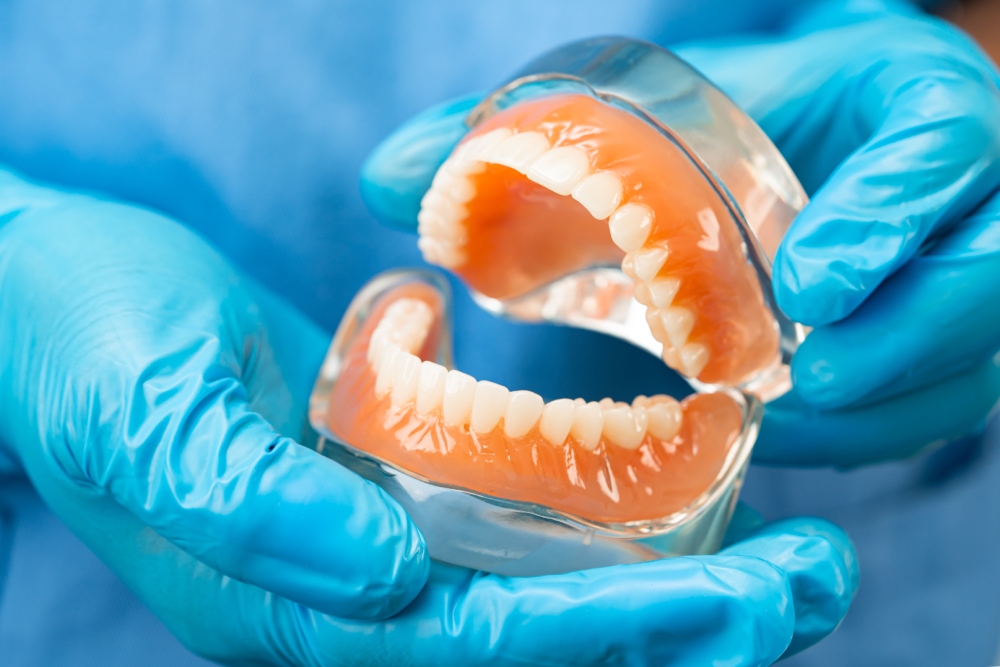
For patients in Los Angeles, Encino, West Hollywood, and surrounding Southern California communities, implant-supported dentures can provide greater confidence when eating, speaking, and smiling. Because the restoration is connected to dental implants, it can significantly reduce the movement and slipping commonly associated with conventional dentures.
At Sargon Dental, each treatment begins with a detailed evaluation to determine whether implant-supported dentures, full-mouth dental implants, traditional dentures, or another restorative approach best fits the patient’s oral health, bone structure, and goals.
What Are Implant-Supported Dentures?
Implant-supported dentures are replacement teeth that use dental implants for support and stability.
Dental implants are placed into the jawbone, where they act as anchors for the denture. Depending on the treatment design, the finished teeth may be removable for cleaning or secured more firmly to the implants.
Traditional dentures rely primarily on the gums and underlying tissues for support. Implant-supported dentures transfer more of that support to the implants, helping create a more secure fit.

This can be especially valuable for people who have experienced loose dentures, difficulty chewing certain foods, changes in speech, or anxiety about dentures shifting during everyday activities.
How Are Implant-Supported Dentures Different From Traditional Dentures?
The main difference is stability.
Traditional dentures sit on top of the gums and may rely on suction, denture adhesive, or the shape of the patient’s mouth to remain in place.
Implant-supported dentures connect to implants anchored in the jaw.
Potential advantages include:
- Greater denture stability
- Less movement while eating or speaking
- Improved chewing function
- Reduced dependence on denture adhesives
- A more secure feeling during everyday activities
- Better support for a natural-looking smile
- Stimulation of the jawbone around implant sites
The right solution depends on your oral health, remaining bone, number of missing teeth, expectations, lifestyle, and budget.
What to Expect During Implant-Supported Denture Treatment
Treatment is customized for every patient. Some people may need only implant placement and restoration, while others may require tooth extraction, bone grafting, gum treatment, or other preparatory procedures before receiving implants.
Step 1: Evaluation and 3D Imaging
Your treatment begins with a comprehensive dental examination and Imaging.
The dentist evaluates your teeth, gums, bite, jawbone, medical history, and existing dentures if you currently wear them. Digital X-rays or 3D Imaging may be used to image bone quantity and identify important anatomical structures.
This information helps determine:
- Whether you are a candidate for dental implants
- How many implants may be appropriate
- Where the implants should be positioned
- Whether bone grafting may be necessary
- What type of denture or implant restoration may work best
This first appointment is also an opportunity to discuss your priorities, including appearance, comfort, chewing ability, treatment time, and cost.
Step 2: Creating Your Personalized Treatment Plan
After evaluating your mouth and Imaging, the dental team develops a treatment plan based on your individual anatomy and restorative needs.
Your plan may address:
- Number and location of dental implants
- Tooth extractions if necessary
- Bone grafting or other preparatory procedures
- Temporary teeth during treatment
- Removable versus fixed restoration options
- Sedation options
- Estimated healing period
- Final denture design
- Costs and financing considerations
No single implant-supported denture treatment is appropriate for every patient. Careful planning is essential because the implants and final teeth must work together as part of the patient’s bite.
Step 3: Placing the Dental Implants
Dental implants are surgically placed in carefully selected areas of the jawbone.
Local anesthesia is commonly used, and sedation may also be considered depending on the procedure and the patient’s comfort level.
With conventional implant treatment, a healing period may be required while the implant integrates with the surrounding bone. This biological process is known as osseointegration.
Healing time varies from patient to patient. Bone quality, implant location, overall health, smoking history, the number of implants, and whether bone grafting was performed can all influence the timeline.
Some qualified patients may also be candidates for immediate-load dental implant treatment, depending on implant stability, bone conditions, bite forces, and the specific restorative plan.
Sargon Dental can evaluate whether a conventional healing protocol or an immediate-load implant approach is appropriate for your particular case.
Step 4: Attaching Your Implant-Supported Dentures
After the implants are stable and the mouth is ready for the final restoration, your customized denture is connected to the implants.
The dentist evaluates:
- Fit
- Bite alignment
- Comfort
- Tooth position
- Smile appearance
- Speech
- Chewing function
Adjustments may be made to improve comfort and ensure that the restoration functions properly.
Your dental team will also explain how to clean around the implants and care for your new teeth at home.
How Long Does Implant-Supported Denture Treatment Take?
There is no universal treatment timeline.
Some traditional implant cases require several months between implant placement and the final restoration because the implants need time to integrate with the jawbone.
Other patients may qualify for treatment protocols that allow temporary or functional teeth to be placed sooner.
Your actual treatment time depends on factors such as:
- Bone density
- Number of implants
- Implant stability
- Need for extractions
- Need for bone grafting
- Gum health
- Type of final restoration
- Healing response
A personalized examination and 3D Imaging provide a much more accurate timeline than a general estimate.
Who Is a Good Candidate for Implant-Supported Dentures?
Implant-supported dentures may be considered for people who have lost all or many of their teeth and want a more stable alternative to conventional dentures.
Potential candidates generally need adequate oral health and enough bone to support dental implants, although bone grafting may make implant treatment possible for some patients with bone loss.
A dentist will also evaluate factors such as gum health, medical conditions, medications, smoking, oral hygiene, and the patient’s ability to maintain the implants after treatment.
Age alone does not determine whether someone can receive dental implants. Overall health, oral condition, bone quality, and healing ability are generally more important considerations.
Can Implant-Supported Dentures Help With Loose Dentures?
One of the most common reasons patients consider implant-supported dentures is dissatisfaction with loose or unstable conventional dentures.
As the jawbone and gum tissues change over time, traditional dentures may become less secure. They can move when you chew, laugh, cough, or speak.
Because implant-supported dentures connect to implants anchored in the jaw, they can provide significantly greater stability than dentures that rely exclusively on the gums for support.
Can You Eat Normally With Implant-Supported Dentures?
Many patients find that improved denture stability makes eating more comfortable and predictable.
The amount of chewing force you can comfortably use depends on the type of restoration, number and position of implants, your bite, healing status, and overall oral condition.
During healing, your dentist may recommend a softer diet and a gradual return to firmer foods.
After treatment is complete, patients often appreciate being able to eat, speak, and socialize with greater confidence because their dentures are less likely to shift unexpectedly.
How Do You Clean Implant-Supported Dentures?
Dental implants cannot develop cavities, but the gums and tissues around them still require consistent care.
Proper hygiene helps protect the tissue and bone supporting the implants.
Depending on your restoration, your routine may include:
- Brushing your denture and implant areas
- Cleaning around implant attachments
- Using floss or specialized implant-cleaning aids
- Using a water flosser when recommended
- Removing a removable denture for cleaning
- Scheduling professional dental cleanings
- Receiving periodic examinations and dental Imaging
Your dentist will provide imaging instructions specifically for your type of restoration.
Implant-Supported Dentures in Encino and West Hollywood
Patients searching for implant-supported dentures in Los Angeles can receive an individualized evaluation at Sargon Dental’s Encino office.
Treatment planning considers much more than simply replacing missing teeth. The dental team evaluates bone support, facial proportions, bite alignment, gum health, smile appearance, and long-term maintenance before recommending a restorative approach.
Depending on the patient’s needs, treatment options may include conventional dentures, implant-supported dentures, full-mouth dental implants, fixed implant-supported restorations, or other forms of full-mouth reconstruction.
For patients interested in faster implant treatment, Sargon Dental can also determine whether an immediate-load dental implant approach may be appropriate based on clinical findings.
Find Out Whether Implant-Supported Dentures Are Right for You
If loose dentures or extensive tooth loss are affecting the way you eat, speak, or smile, implant-supported dentures may provide a more stable solution.
The best way to determine your options is through an examination and diagnostic Imaging. Your dentist will assess your bone structure, gum health, bite, existing teeth, and goals before recommending the appropriate type of dental implant or denture treatment.
Sargon Dental serves patients throughout Encino, West Hollywood, the San Fernando Valley, Los Angeles, and surrounding Southern California communities who are considering implant-supported dentures and other advanced tooth replacement options.
Frequently Asked Questions About Implant-Supported Dentures
1. What are implant-supported dentures?
Implant-supported dentures are replacement teeth that connect to dental implants placed in the jawbone. The implants provide more stability than conventional dentures that rest primarily on the gums.
2. Are implant-supported dentures removable?
They can be. Some implant-supported dentures are designed to snap onto implant attachments and can be removed by the patient for cleaning. Other implant-supported full-arch restorations are fixed and are typically removed only by a dental professional when necessary.
3. How many implants are needed for implant-supported dentures?
The number varies based on the patient’s jawbone, denture design, implant positions, bite forces, and treatment goals. Diagnostic Imaging and a clinical examination are necessary to determine the appropriate number.
4. Are implant-supported dentures better than regular dentures?
They can provide greater stability, chewing confidence, and retention for many patients. However, conventional dentures remain appropriate for some people. The better choice depends on oral health, anatomy, lifestyle, treatment preferences, and budget.
5. Do implant-supported dentures prevent bone loss?
Dental implants stimulate the jawbone where they are placed, which can help preserve bone around the implant sites. They do not completely prevent every age-related or anatomical change in the jaw.
6. How long do implant-supported dentures last?
Dental implants and the denture restoration have different lifespans. Implants can function for many years with proper care, while denture teeth, attachment components, or other restorative materials may eventually require maintenance, adjustment, repair, or replacement.
7. Can I get implant-supported dentures if I have bone loss?
Possibly. Some patients with bone loss can still receive dental implants, while others may require bone grafting or another treatment first. 3D Imaging helps the dentist evaluate available bone and possible implant locations.
8. Will I be without teeth while my implants heal?
Not necessarily. Temporary teeth or dentures may often be used during treatment. Some qualified patients may also be candidates for immediate-load treatment. Your dentist will determine the safest temporary and final restoration plan for your situation.
9. How much do implant-supported dentures cost in Los Angeles?
Cost varies based on the number of implants, denture type, materials, diagnostic Imaging, extractions, bridging, sedation, and other treatment requirements. An examination is necessary to provide an individualized treatment estimate.
10. Where can I get evaluated for implant-supported dentures in Los Angeles?
Sargon Dental evaluates patients for implant-supported dentures and other dental implant solutions at its Encino location. A consultation and diagnostic Imaging can help determine the best tooth replacement approach for your oral health and goals.
Leaving cavities without treatment can cause serious problems for your teeth and health. This guide explains what happens when tooth decay goes untreated and why quick action matters. You’ll learn about the risks, how cavities worsen over time, warning signs to watch for, and the problems that can happen if you wait too long. Getting help early can save your teeth and prevent pain, so visit your dental clinic as soon as you notice any issues.
Not every toothache means you need to rush to a dentist, but some situations definitely can’t wait. Knowing the difference between a minor issue and an actual emergency can save you from severe complications down the road. This guide breaks down the major warning signs that require immediate attention. A reputable dentist can help you act quickly and avoid long-term damage when these problems arise. From severe pain to trauma, here’s what you need to watch for.
Severe and Persistent Tooth Pain
If you’re dealing with intense tooth pain that won’t quit, don’t try to tough it out. That kind of pain usually points to something deeper: decay, an infection, or maybe a cracked tooth. Waiting too long can turn a fixable problem into something way worse. Your dentist will perform an exam to determine the cause of the pain and recommend treatment, such as a filling or a root canal. Bottom line: get it checked out before it spirals out of control.
Swelling in the Gums or Face
Swelling around your gums or face is your body’s way of saying something’s wrong. It could mean you’ve got an infection, gum disease, an abscess, or even an impacted tooth. Here’s what to keep in mind:
- Causes: Gum disease, abscesses, impacted teeth, or facial injuries can all trigger swelling.
- Symptoms: Redness, tenderness, pus, or warmth in the area are common signs.
- Risks: Ignoring it can let the infection spread or damage surrounding teeth.
- Action: Call your dentist right away to find out what’s going on and stop it from getting worse.
Broken or Knocked-Out Teeth
A broken or knocked-out tooth needs attention fast. Rinse your mouth with warm water and gently clean the area. If the tooth came out completely, hold it by the crown (not the root) and try placing it back in the socket. Can’t get it back in? Drop it in a container of milk or saliva to keep it moist. A broken tooth can expose nerves and lead to infection if left untreated. A knocked-out tooth that isn’t treated promptly could lead to permanent tooth loss. The faster you act, the better your odds of saving it.
Bleeding From the Mouth
Mouth bleeding during a dental emergency isn’t something to brush off. Here’s how to handle it:
- Assess the Severity: Is the bleeding light, moderate, or heavy?
- Apply Pressure: Press a clean cloth or gauze directly on the bleeding spot.
- Avoid Irritants: Skip hot or spicy foods and drinks that can worsen symptoms.
- Seek Immediate Care: If bleeding is heavy, won’t stop, or is accompanied by dizziness, get emergency dental help right away.
Signs of Infection
Catching an infection early matters. Look out for severe tooth pain, swollen gums or face, pus near a tooth, fever, or a nasty taste in your mouth. These signs mean the infection needs treatment before it spreads. Left untreated, you could end up with an abscess or a systemic infection that affects your whole body. A dentist can diagnose the problem, prescribe antibiotics, or perform a root canal to clear it up. Don’t wait on this one.
Trauma to the Mouth or Jaw
Any serious hit to your mouth or jaw needs a dental evaluation ASAP. Traumatic injuries can cause hidden damage that gets worse over time. Watch for these warning signs:
- Bleeding that won’t stop
- Loose or shifted teeth
- Intense pain or trouble opening and closing your mouth
- Swelling or bruising on your face or jaw
If you notice any of these after an injury, contact a dental professional immediately for an evaluation.
Related Topics:
The Teeth in a Day procedure offers a revolutionary approach to dental implant treatment, allowing patients to receive dental implants and prosthetic teeth in a single appointment. This quick and efficient solution provides immediate restoration, delivering both functional and aesthetic benefits right after surgery. By reducing treatment time, the Teeth in a Day process eliminates the need for multiple surgeries or bone grafting, making it a highly efficient option for many patients seeking care from a professional dentist in Encino. The procedure ensures that patients leave with a fully functioning set of teeth, either temporary or permanent, immediately following the surgery. This streamlined process enhances both the aesthetic appeal and functionality of the patient’s smile and bite.
Benefits of Teeth in a Day
The Teeth in a Day procedure is often recommended for individuals seeking a fast and effective solution for missing teeth. One of the major advantages is the ability to place dental implants and prosthetic teeth in just one appointment, eliminating multiple visits and minimizing overall treatment time. Additionally, fewer surgeries and bone-grafting procedures are often needed, significantly reducing patient discomfort and recovery time. The immediate restoration of teeth ensures that patients can enjoy improved chewing and a renewed smile shortly after the procedure. This method offers both aesthetic and functional benefits, making it a highly convenient choice for individuals seeking a comprehensive dental solution in a short period.
Evaluation and Planning Process
The success of the Teeth in a Day procedure starts with a comprehensive evaluation and personalized treatment plan. Our dental team conducts a thorough examination of the patient’s oral health, using advanced tools such as X-rays and 3D imaging to assess bone density and gum health. This technology allows us to evaluate the condition of the patient’s existing dental structures and tailor the treatment to their specific needs. Additionally, the patient’s medical history, medications, and other relevant factors are considered to ensure the procedure is safe and effective. By leveraging cutting-edge technology, we craft a precise, customized treatment plan, laying the foundation for a successful outcome.
Surgery Day Experience
On Surgery Day, the goal is to ensure the procedure is executed flawlessly for optimal results. Upon arrival, patients are administered anesthesia to ensure comfort throughout the process. Our experienced team of dental professionals follows a detailed treatment plan, using state-of-the-art techniques and equipment to precisely place implants in the jawbone. Throughout the procedure, our team communicates with the patient to address any concerns. Once the implants are placed, temporary prosthetic teeth are affixed, enabling the patient to leave the clinic with a functional set of teeth. The Surgery Day Experience is the first step toward achieving immediate dental restoration.
Immediate Loading of Implants
Immediate loading of implants refers to the placement of temporary or permanent prosthetic teeth on the same day as implant surgery. This allows patients to enjoy immediate restoration, eliminating the need for removable dentures during the healing process. The success of immediate loading depends on several factors, including implant stability, bone quality, and the patient’s bite forces. Careful planning and precise execution are essential to ensure the implants can withstand the pressure of chewing and speaking. Immediate loading offers enhanced comfort and convenience, contributing significantly to patient satisfaction and improving overall treatment outcomes.
Post-Procedure Care Instructions
After undergoing the Teeth in a Day procedure, patients must follow specific post-operative care instructions to ensure proper healing and the best possible outcome. Right after the procedure, it’s important to avoid touching the surgical area, rinsing the mouth vigorously, or consuming hot foods and drinks. A soft diet should be followed, avoiding hard, sticky, or crunchy foods to prevent damage to the implants during the initial healing phase. Patients should adhere to the prescribed medication regimen to manage any discomfort and prevent infection. Regular follow-up appointments are essential to monitor the healing progress and address any concerns. By following these instructions carefully, patients can ensure a smooth recovery and long-lasting success with their new dental implants.
Long-Term Results and Maintenance
To maintain the long-term success of the Teeth in a Day procedure and the durability of dental implants, patients should commit to proper oral hygiene. Brushing twice daily with a soft-bristle toothbrush and using an antimicrobial mouthwash will help reduce plaque buildup. Flossing daily is crucial for preventing inflammation around implants and ensuring their longevity. Regular check-ups every 6 months with the dental team are recommended to monitor implant condition and address potential issues early. Patients should also avoid harmful habits like smoking or chewing on hard foods, which can compromise the implants’ durability. By following these maintenance guidelines, patients can ensure the long-lasting functionality and aesthetic appeal of their new smile.
📬 Contact Us
At Sargon Dental, we’re here to assist you every step of the way. Whether you’re a new or returning patient, have questions about our services, or need assistance with scheduling, reaching out is easy.
📍 Address: 16101 Ventura Blvd #350, Encino, CA 91436
🕒 Office Hours:
- Monday – Friday: 9:30 am – 5:00 pm
- Saturday & Sunday: CLOSED
📞 Call Us: (818) 626-3549
📅 Schedule an Appointment
Ready to take the next step toward a healthier smile? You can schedule an appointment online or by calling our offices directly. Our team is here to accommodate your preferred method of communication, whether it’s a phone call, text, or email.
Related Topics:
At a leading dental clinic in West Hollywood, patients often ask about full-arch dental implants and how they can transform their smile.
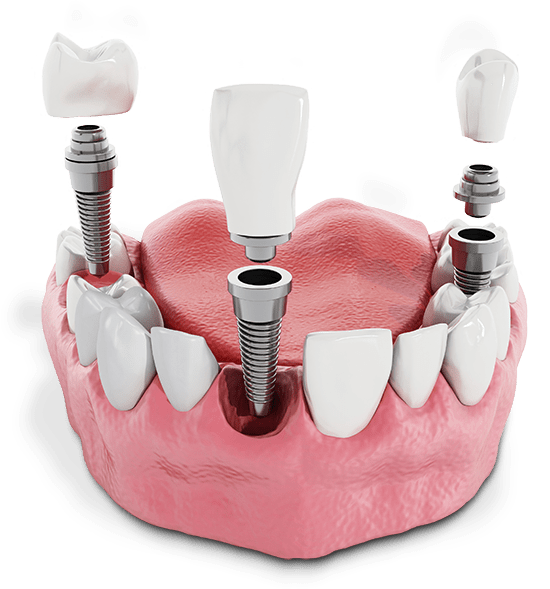 This guide explains what full arch dental implants are and why they’re becoming a popular choice for people with missing teeth. You’ll learn about the different types available, who makes a good candidate, and what to expect during treatment. We’ll also cover the costs involved and how to care for your new teeth after the procedure. Understanding these details helps you make the right choice for your dental health.
Definition of Full Arch Dental Implant
A full-arch dental implant replaces an entire row of teeth using a fixed prosthesis supported by multiple implants. This method utilizes several implants strategically placed along your jaw to secure the artificial teeth in position. Full-arch dental implants look and feel like natural teeth, providing patients with a permanent solution that restores both appearance and function. By connecting prosthetic teeth to multiple implants, this treatment provides a secure and long-lasting option for individuals who have lost numerous teeth. This treatment is effective for individuals seeking to regain full dental function and achieve a confident smile.
Benefits of Full Arch Implants
Full-arch implants offer numerous advantages for individuals seeking a permanent solution to extensive tooth loss. One major benefit is better chewing ability, letting you enjoy a wider variety of foods without pain or difficulty. Full arch implants also help keep your facial structure by preventing bone loss that happens when teeth are missing. They provide much better stability than regular dentures, reducing slipping and eliminating the need for messy adhesives. Full arch implants can also improve how clearly you speak by preventing common problems like mumbling or slurring that happen with poorly fitting dentures. These implants provide a long-term solution that supports oral health and restores confidence in your smile.
Types of Full Arch Implant Procedures
Several types of full arch implant procedures are available to address extensive tooth loss and restore oral function and appearance. One common type is the “All-on-4” technique, which utilizes four dental implants to support a full arch prosthesis. This method offers a faster solution, requiring fewer surgeries. Another option is the “All-on-6” procedure, which provides extra support and stability with six implants. For people with severe bone loss, the “Zygomatic implants” method may work well. This technique involves placing implants into the cheekbone instead of the jawbone. Each of these procedures has its own benefits, and the choice depends on your specific needs and situation.
Candidates for Full Arch Implants
To find out if you’re eligible for full arch implants, you’ll need a complete dental evaluation to check your oral health and bone structure. This evaluation includes examining your gums, jawbone density, and any existing dental problems that could affect how well the implant procedure works. Good candidates for full arch implants should have good oral hygiene habits and be willing to maintain them after the procedure. People with enough bone volume and quality in the jaw are usually better suited for full-arch implants. Your dentist will also consider your health, lifestyle habits, and any medical conditions during the evaluation to make sure you get the best possible results.
Cost Considerations for Full Arch Implants
Understanding the financial aspects of full arch implants is crucial for individuals considering this dental treatment option. The cost of full arch implants can vary based on several factors, including the type of implant, the materials used, the complexity of the procedure, and the location of the dental practice. To make an informed decision, here are some key cost considerations to keep in mind:
- Type of Implant: Different implant materials and designs can affect the total cost.
- Additional Procedures: Any necessary bone grafting or tooth extractions may increase the total expense.
- Insurance Coverage: Check if your dental insurance provides any coverage for full arch implants.
- Aftercare Costs: Factor in the cost of follow-up visits, maintenance, and potential repairs over time.
Maintenance and Aftercare for Full Arch Implants
Proper care and aftercare are crucial to ensuring your full-arch dental implants last long and function effectively. After implant surgery, you need to follow a strict oral hygiene routine. This includes brushing twice a day gently with a soft-bristle toothbrush and using an antimicrobial mouthwash. Regular dental check-ups and professional cleanings are also important to monitor the condition of your implants and ensure they heal properly. Avoiding hard or sticky foods can prevent damage to the implants and surrounding teeth. Additionally, wearing a nightguard, if recommended by your dentist, can protect the implants from grinding or clenching during sleep. By carefully maintaining good oral hygiene habits and following your dentist’s guidance, you can help make sure your full-arch dental implants work well and last a long time.
Related Topics:
Dental implants use different materials that are compatible with your mouth and last for many years. Modern implant technology relies on materials like titanium, zirconia, metal mixes, ceramics, and polymers for different benefits. These materials must be safe for your body and strong enough to handle daily use. Finding the best dentist who understands these materials helps ensure the success of your implant. Each material has unique features that make it right for different situations and patient needs.
Titanium: The Gold Standard
Titanium is the most trusted material for dental implants because it works so well with your body and stays strong. When doctors place titanium implants in your jawbone, the bone grows around them naturally through a process called osseointegration. This creates a solid base for your new tooth that can last for decades. Titanium can handle all the pressure from chewing and biting without breaking or wearing down. It’s also lightweight, so it doesn’t put extra stress on your jawbone. Most people’s bodies accept titanium well, with very few allergic reactions or problems. These qualities make titanium the top choice for most dental implants.
Zirconia: A Ceramic Alternative
Zirconia offers a great option for people who want implants that look completely natural. This white ceramic material matches the color of real teeth better than metal implants. It won’t cause gray lines to show through your gums like some metal implants can. Zirconia works well for people who have metal allergies or sensitivities. It doesn’t rust or corrode in your mouth, making it very safe and long-lasting. This material is strong enough for both front and back teeth so that you can use it anywhere in your mouth. Many patients choose zirconia for the most natural-looking results.
Metal Alloys: Strength and Flexibility
Metal mixes combine different metals like titanium, cobalt, chromium, and molybdenum to create super-strong implants. These combinations give implants the perfect balance of strength and flexibility for your mouth. The metals work together to handle heavy chewing forces without breaking. Titanium mixes are popular because they’re safe for your body and resist rust and corrosion. Doctors can customize these metal combinations to fit each patient’s specific needs. The flexibility of metal mixes allows them to move slightly with your jaw, which helps prevent problems. This makes metal combinations a reliable choice for long-lasting implant success.
Ceramic: Aesthetic Appeal
Ceramic materials make implants that look just like your natural teeth. These implants match the color, shine, and texture of real teeth so well that no one can tell the difference. Ceramic implants work safely in your body and won’t cause reactions or problems. They don’t conduct heat or electricity so that you won’t feel temperature changes as much. Ceramic materials resist stains and corrosion, keeping them looking good for years. As technology improves, ceramic implants continue to improve and become more natural-looking. Patients love ceramic implants because they provide both beauty and function in one solution.
Polymers: Advances in Technology
New polymer materials are changing how dental implants work and look. Polymers like PMMA and PEEK are safe for your body and can bend without breaking. Computer technology helps doctors create custom polymer implants that fit perfectly in your mouth. These materials are getting stronger and lasting longer than older versions. Advanced manufacturing makes it possible to create implants that match each person’s unique mouth shape. Polymer implants have fewer complications and heal faster than some other materials. As technology continues to improve, polymer implants will likely become even better options for replacing missing teeth.
Related Topics:
Cosmetic dentistry helps improve the appearance of your smile through different dental treatments and procedures. This field combines art and science to create beautiful, natural-looking results. Finding a dependable dentist who specializes in cosmetic work is key to getting the smile you want. This guide explains what cosmetic dentistry includes, popular treatments available, and how to choose the right dental professional for your needs. You’ll also learn about the benefits and how to keep your new smile looking great.
The Basics of Cosmetic Dentistry
Cosmetic dentistry focuses on enhancing your teeth, gums, and smile. The main goal is to create harmony between your smile and face shape. Dentists look at tooth shape, size, color, and their alignment compared to your facial features. The best cosmetic dentistry gives natural-looking results that fit your overall appearance. Dentists try to keep healthy tooth parts while making improvements. This field mixes artistic skills with dental knowledge to create beautiful smiles that make people feel more confident and happy.
Common Cosmetic Dental Procedures
Several popular cosmetic dental treatments can help enhance your smile. Teeth whitening is one of the most requested procedures – it brightens stained or yellowed teeth. Dental veneers are thin covers placed on the front of teeth to improve their appearance. Dental bonding uses tooth-colored material to fix the shape or color of teeth. People with crooked teeth can use braces or clear aligners to achieve a straighter smile. Dental implants replace missing teeth and look very natural. These treatments can help you get the smile you’ve always wanted with professional cosmetic dental care.
Benefits of Cosmetic Dentistry
Getting cosmetic dental work done helps in many ways beyond just looking better. It can make you feel more confident and boost your self-esteem. Many procedures also help your mouth work better. Dental implants make it easier to chew food and speak clearly. Fixing crooked teeth helps prevent gum problems and cavities. Teeth whitening removes stains and makes you look younger. Cosmetic dentistry gives you benefits that last a long time, improving both your appearance and oral health. This complete approach to dental care improves your life in many ways.
Finding the Right Cosmetic Dentist
Choosing the right cosmetic dentist requires carefully checking their training and experience. Look for a dentist who took extra classes in cosmetic dentistry beyond regular dental school. Check how many years they’ve been doing cosmetic work and ask to see photos of their past patients’ results. Pick a dentist who stays current with the latest techniques and technologies in cosmetic dentistry. Make sure they belong to respected dental groups. Meeting the dentist for a consultation helps you see if you feel comfortable with them and like how they communicate. This meeting lets you decide if they’re right for your smile makeover.
Maintaining Your New Smile
Taking care of your new smile requires good daily habits and following your dentist’s instructions. Here are the key steps:
- Brush your teeth twice daily with fluoride toothpaste
- Floss every day to remove food and plaque between teeth
- Use mouthwash to help prevent gum disease
- Visit your dentist regularly for cleanings and checkups
- Avoid smoking and limit staining foods and drinks
- Don’t use your teeth to open packages or bite hard objects
Following these simple steps will help keep your beautiful smile looking great for many years. Regular dental visits are especially important to catch any problems early and keep your teeth healthy.
Related Topics:
Keeping your dentures clean at home is easier than you might think. Finding reliable dental care starts with proper home maintenance of your dentures. This guide walks you through simple daily and weekly cleaning steps that anyone can follow. We’ll cover what supplies you need, how to create a cleaning routine, and tips to keep your dentures in great shape. These methods help maintain good mouth health and keep your smile looking its best.
Importance of Denture Cleaning
Cleaning dentures every day is vital for good mouth health and preventing problems. When you don’t clean dentures properly, plaque builds up and bacteria grow, which can cause infections. Good cleaning keeps your dentures lasting longer and protects your gums and any natural teeth you still have. Dirty dentures collect food bits and germs that create bad breath and make your gums sore. Unclean dentures can also cause oral thrush and other mouth infections. Setting up a regular cleaning schedule with the right methods helps keep your dentures clean and your mouth healthy.
Materials Needed for Cleaning
You’ll need a few basic items to clean your dentures well at home. Get a denture brush with soft bristles to scrub away food and plaque without scratching the denture surface. Use mild dish soap for daily cleaning to remove debris and germs safely. Pick up a denture cleaning solution for deeper cleaning that removes stains and bad-smelling bacteria. You’ll also need a container for soaking the dentures and a soft towel for drying them after cleaning. Having these supplies ready makes your denture cleaning routine quick and complete.
Daily Cleaning Routine
Clean your dentures every day with these simple steps. Rinse your dentures after each meal to wash away food particles. Use a soft brush and mild denture cleaner to gently scrub all surfaces, including the grooves and hard-to-reach spots. Don’t use regular toothpaste because it’s too rough and can damage your dentures. Clean your gums and any remaining natural teeth too for complete mouth care. Soak your dentures overnight in cleaning solution or water to keep them moist and prevent cracking. Following this daily routine helps your dentures last longer and keeps your mouth healthy.
Weekly Deep Cleaning Steps
Do a thorough deep cleaning once a week to keep your dentures in top condition. Please take out your dentures and rinse them with warm water to remove loose food bits. Brush them with a soft denture brush and mild cleaner, avoiding regular toothpaste that’s too harsh. Soak your dentures in denture cleaning solution or a mix of water and vinegar for 20-30 minutes to remove tough stains and kill bacteria. Rinse them well before putting them back in your mouth. This weekly deep clean keeps your dentures looking good and staying hygienic.
Tips for Maintaining Denture Hygiene
Keep your dentures in great shape with these helpful tips:
- Rinse dentures after every meal to stop food buildup
- Use gentle, circular motions when brushing to avoid damage
- Handle dentures carefully to prevent drops and cracks
- Soak overnight in denture solution to keep them moist
- Visit your dentist regularly to check the fit and condition
- Avoid hot water that can warp the denture material
- Don’t use harsh cleaners or bleach products
Following these simple tips helps your dentures stay clean, comfortable, and long-lasting while keeping your mouth healthy.
Related Topics:
Finding a trusted dental clinic becomes important when dealing with tooth decay and exploring your treatment options. This article explains what causes tooth decay, how it develops in your mouth, and the different ways you can address it. You’ll learn about both natural methods and professional treatments that can help stop or reverse decay. We’ll also cover simple prevention tips to keep your teeth healthy. Understanding these options helps you make better choices about your oral health care.
Understanding Tooth Decay
Tooth decay happens when bacteria in your mouth create acids that damage your teeth. These bacteria feed on sugars and starches from food, producing acids that attack the hard outer layer of your teeth called enamel. Over time, this acid attack weakens the enamel and creates small holes called cavities. Poor brushing habits, eating too many sweets, and not getting enough fluoride can worsen decay. When decay isn’t treated, it can cause pain, infection, and tooth loss. Knowing how decay works helps you take better care of your teeth and prevent problems.
Causes of Tooth Decay
Several things work together to cause tooth decay in your mouth. The main cause is bacteria that live on your teeth and feed on sugars from food and drinks. When you don’t brush and floss properly, these bacteria form a sticky film called plaque on your teeth. The plaque makes acids that eat away at your tooth enamel. Eating sugary snacks often, having poor brushing habits, certain health problems, and having a dry mouth all increase the risk of decay. Finding and fixing these causes helps prevent decay from worsening and keeps your smile healthy.
Reversing Tooth Decay Naturally
You can help reverse early tooth decay using natural methods that strengthen your teeth. Good daily care includes brushing with fluoride toothpaste, flossing every day, and using mouthwash. Eating foods rich in calcium and phosphorus helps rebuild your tooth enamel. Cut back on sugary foods and drinks since sugar feeds the bacteria that cause decay. Some natural treatments that might help include:
- Oil pulling with coconut oil
- Using remineralizing toothpaste without fluoride
- Eating more dairy products and leafy greens
- Drinking plenty of water throughout the day
These methods work best for early decay, but you should talk to a dentist for advice that fits your specific needs.
Professional Treatments for Decay
Dentists use several treatments to fix tooth decay, depending on the severity of the decay. Small cavities get fillings made from materials like silver or tooth-colored composite. Larger areas of decay need crowns, which cover and protect the whole tooth. When decay reaches the inside of your tooth, you might need a root canal to remove the infected parts and seal the tooth. In very bad cases where the tooth can’t be saved, removal might be the only choice to prevent more problems and keep your mouth healthy.
Preventing Tooth Decay
Stopping tooth decay before it starts is easier than treating it later. Brush your teeth twice daily with fluoride toothpaste and floss every day to remove plaque. Eat fewer sugary and acidic foods, and choose water over sweet drinks. Visit your dentist regularly for check-ups and cleanings to catch problems early. Your dentist might also suggest sealants for your back teeth or fluoride treatments to strengthen your enamel. Following these simple steps every day helps keep your teeth healthy and prevents decay from forming.
Related Topics:
Many people wonder about the right time to get dental implants and worry they may have waited too long. This guide explains the main factors that affect implant success and timing. Several key elements determine if you’re a good candidate for implants, including your age, bone health, gums, and other health issues. Professional dental services can help evaluate these factors and create the best treatment plan for your situation. Understanding these considerations helps you make smart choices about your oral health.
Age and Bone Density
Age and bone strength are important factors for dental implant success. Younger patients usually have better bone quality and thickness, which helps implants stay stable and last longer. As people get older, bone density can decrease, making it harder for the bone to support an implant properly. Older patients may also have health conditions or take medicines that slow bone healing and affect how well the implant bonds with the jaw. A complete check of your age and bone health is needed to make sure your dental implant will work well.
Gum Health and Oral Hygiene
Healthy gums and good oral care are very important for dental implant success. Taking care of your gums and teeth greatly affects the effectiveness and longevity of your implants. Here are the key points to remember:
- Daily brushing and flossing help prevent gum disease and create a strong base for implants
- Regular dental visits help catch problems early that might affect your ability to get implants
- Good oral care habits improve your overall health and confidence
- Taking care of your teeth now leads to a healthier, brighter smile later
Overall Health Conditions
Your general health plays a big role in deciding if dental implants are right for you. Before getting implants, your dentist needs to review your medical history, current medicines, and health problems. Some health issues like poorly controlled diabetes, immune system disorders, and serious heart problems can affect implant success. Conditions that weaken your immune system or slow healing, like cancer treatment or certain medications, can create risks during recovery. Your dentist should work with your doctors to ensure your overall health is optimal before implant surgery, giving you the best chance for success.
Adjacent Teeth Status
The condition of teeth near the implant site affects whether the procedure will work. When checking nearby teeth, several important factors matter:
- Health of Nearby Teeth: Making sure neighboring teeth are strong and healthy is key for successful implant placement
- Gum Health: Healthy gums around nearby teeth are needed to support the new implant and prevent problems
- Alignment: Proper positioning of nearby teeth affects how the implant is placed and how stable it will be
- Bone Density: Strong bone around nearby teeth is vital for supporting the implant and helping it last
These factors are important for making good decisions about dental implant placement.
Consultation With a Dental Professional
Meeting with a dental expert lets you get a complete check of your oral health and learn if dental implants are right for you. This visit is a key step in deciding if dental implants are your best choice. The dentist will check factors such as bone strength, gum health, and oral care habits to make sure you’re a good candidate. They’ll also talk about any dental problems that need fixing before getting implants. The consultation gives you a chance to ask questions and discuss any concerns about the implant process, recovery, and ongoing care. Being honest during this visit is important for getting the best results for your oral health.
Related Topics: