
Missing teeth can significantly impact both your confidence and daily life, making it challenging to eat, speak, and smile comfortably. Fixed dentures offer a permanent solution that restores your natural appearance and function. At Encino’s leading dental services, these prosthetic devices are custom-designed to fit securely and look natural. Understanding how fixed dentures work and what the installation process involves can help you make informed decisions about your dental health. This guide walks you through everything you need to know about fixed dentures, from the different types available to proper care and maintenance.
Understanding Fixed Dentures
Fixed dentures, also known as permanent dentures, are prosthetic devices that replace missing teeth. Unlike removable dentures, these stay permanently attached to dental implants or your existing teeth. The structure typically features a metal or ceramic framework that supports artificial teeth made from durable materials, such as porcelain. This design creates a stable base that won’t shift or move when you eat or talk. Fixed dentures restore your ability to chew properly, speak clearly, and smile confidently. Each set is custom-made to fit your mouth comfortably and look completely natural.
Types of Fixed Dentures
Different types of fixed dentures are available depending on your specific needs. The traditional fixed bridge uses crowns on the teeth next to the gap, with a prosthetic tooth filling the space between them. A cantilever bridge works when you only have one tooth available for support on one side. Maryland bridges attach to the back of nearby teeth using a metal or porcelain frame. Implant-supported bridges connect directly to dental implants placed in your jawbone for maximum stability. Fixed partial dentures, also known as dental bridges, can replace one or more missing teeth and are permanently cemented in place. Your dentist will recommend the best option based on your individual situation.
Benefits of Fixed Dentures
Fixed dentures provide a long-lasting and reliable solution for tooth replacement. Here are the key advantages:
- Strong Stability: Fixed dentures attach securely to dental implants or existing teeth, creating a solid foundation for eating and speaking without worry about slipping.
- Natural Appearance: These dentures are designed to resemble your natural teeth and can be matched to your existing teeth, providing a beautiful, confident smile.
- Long-Lasting Solution: With good care, fixed dentures can last many years, making them a worthwhile investment in your oral health.
- Protects Jawbone: By stimulating the jawbone, fixed dentures help prevent the bone loss that often happens when teeth are missing.
- Easy to Live With: Fixed dentures don’t require removal for cleaning, making daily life simpler and more comfortable.
The Installation Process
Installing fixed dentures happens in several careful steps. Your dentist first examines your mouth to find the best placement for the dentures. Any necessary preparatory work, such as removing damaged teeth or adjusting the gum tissue, will be done next. Then, dental implants are surgically placed into your jawbone to act as anchors. After the implants have healed and bonded with the bone, small connectors called abutments are attached to support the prosthetic. Finally, your custom-made fixed dentures are firmly attached to the abutments, creating a stable and functional fit. Regular check-ups help monitor your dentures and ensure they continue to function optimally.
Aftercare for Fixed Dentures
Taking care of your fixed dentures ensures they continue to function properly for years to come. Follow these simple guidelines:
- Brushing: Clean your fixed dentures daily using a soft-bristle brush and gentle toothpaste.
- Flossing: Regularly floss around the dentures to remove food particles and plaque.
- Rinsing: Use an antiseptic mouthwash to maintain good oral hygiene.
- Food Choices: Avoid hard or sticky foods that could damage the dentures or supporting structures.
- Dental Visits: Schedule routine check-ups so your dentist can verify the fit and function of your dentures.
Maintenance Tips for Fixed Dentures
Following a simple maintenance routine helps your fixed dentures function optimally. Clean them daily with a non-abrasive brush and mild toothpaste to avoid scratching the surface. An antimicrobial mouth rinse helps control bacteria and maintain your mouth’s health. Regular dental visits are necessary for checking the fit and condition of your dentures, making sure they stay comfortable and work properly. Stay away from hard or sticky foods to prevent damage and extend the life of your dentures. If you notice any problems like looseness or discomfort, contact your dentist right away for adjustments. Good maintenance preserves the appearance of your fixed dentures and supports your overall oral health.
Related Topics:
Taking care of your dentures between uses is just as important as wearing them properly. Many people visit their local dental clinic for advice on denture maintenance, but are unsure about the proper storage methods to use at home. Storing dentures correctly helps them last longer and stay comfortable. This guide will walk you through the best practices for maintaining the cleanliness and optimal condition of your dentures when they’re not in use. Simple storage habits can make a big difference in how well your dentures work and how long they last.
Why Proper Storage Matters
Storing your dentures correctly keeps them clean and comfortable. When you’re not wearing them, dentures need to stay moist or they can warp and lose their shape. You can soak them in a denture solution or plain water to keep them from drying out. Always use a clean case to protect them from damage and germs. Heat and cold can damage dentures, so keep them at room temperature. Good storage habits help your dentures last longer and feel better when you wear them.
Clean Your Dentures Before Storing
Always clean your dentures before storing them. Start by rinsing them under lukewarm water to wash away loose food and debris. Use a soft-bristled denture brush and mild denture cleaner to gently scrub all surfaces, including the small spaces where food can hide. Avoid using regular toothpaste, as it can be too harsh and scratch the denture material. Rinse them well after cleaning to remove all traces of cleaner. Handle your dentures carefully during cleaning to avoid dropping or damaging them.
Pick the Right Storage Container
The container you choose for storing dentures matters. Here are three things to think about:
- Strong Materials: Choose containers made from sturdy plastic or glass that won’t break easily and will protect your dentures.
- Proper Size: Ensure the container fits your dentures snugly so they don’t move around or break during storage.
- Air Flow: Look for containers with small holes or vents to allow air to circulate and prevent moisture from accumulating, which can promote bacterial growth.
Paying attention to these details helps keep your dentures clean and safe while stored.
Protect Your Dentures from Damage
Handle your dentures gently to maintain their good condition. Store them in a proper denture container when not in use. Avoid cleaning them with hot water or strong chemicals, as these can damage the material and promote the growth of harmful bacteria. Always hold your dentures carefully to prevent them from dropping. Rinse them well after each use to remove food bits and adhesive. Keep dentures away from sunlight and heat, which can cause warping. Taking these simple precautions helps your dentures stay in great shape longer.
Soak Overnight for Best Results
Soaking your dentures overnight is one of the best ways to keep them clean. This method removes stains, bacteria, and odors, keeping your dentures feeling fresh. Here’s why overnight soaking works so well:
- Deep Cleaning: The soaking solution has time to reach every part of your dentures, including spots you might miss when brushing.
- Kills Germs: Soaking eliminates harmful bacteria that accumulate throughout the day.
- Removes Odors: Overnight soaking neutralizes bad smells, leaving your dentures fresh and pleasant.
More Care Tips
A few extra steps can help your dentures stay in top condition. Handle them carefully at all times to avoid damage or bending. Brush your dentures daily with a soft brush to remove food and plaque, but be gentle to avoid scratches. Keep your mouth healthy by brushing your gums, tongue, and the roof of your mouth with a soft toothbrush before reinserting your dentures. Visit your dentist regularly to check the fit and catch any problems early. These simple habits help your dentures stay clean and comfortable for many years.
Related Topics:
A dental crown typically lasts between 5 and 15 years, depending on factors like material quality, oral hygiene, and daily wear. High-quality crowns made from zirconia or porcelain fused to metal generally last longer. Practicing good oral hygiene, such as brushing and flossing regularly, is key to maintaining the health of your dental crown. Habits like teeth grinding or using teeth for non-chewing tasks can shorten the lifespan of your crown. For excellent dental service, a professional dentist can help you make informed decisions and ensure the longevity of your crown.
Lifespan of a Dental Crown
The lifespan of a dental crown varies based on several key factors, including the material used, your oral hygiene routine, and the care you provide for your crown. Crowns made from high-quality materials, such as zirconia crowns or porcelain fused to metal, tend to last longer than those made from cheaper options. Proper oral hygiene is essential; regular brushing, flossing, and professional cleanings help prevent decay around the crown’s edges, preserving both the crown and the underlying tooth structure. Additionally, habits such as teeth grinding or using your teeth as tools can cause premature wear. Taking proactive care of your crown through good hygiene and regular dentist visits can significantly extend its functional life.
Factors Affecting Crown Longevity
Several factors directly influence the longevity of your dental crown. The material chosen for the crown is one of the most significant factors, with materials like zirconia or porcelain fused to metal offering superior durability compared to more affordable options. Consistent and thorough oral hygiene, including regular visits to your dentist for check-ups, is crucial for preventing issues such as decay and gum disease, which can shorten the lifespan of the crown. Additionally, lifestyle habits such as teeth grinding, chewing on hard objects, or biting one’s nails can cause damage to the crown, leading to wear and a reduced lifespan. By focusing on high-quality materials, maintaining good oral hygiene, and avoiding harmful habits, you can maximize the durability of your crown.
Common Signs of Dental Crown Wear
It’s essential to watch for signs of wear on your dental crown to catch potential issues early. Some common signs include visible cracks, chips, or color changes. Cracks often occur due to teeth grinding or biting on hard items, while chips may be caused by trauma or biting into hard foods. Discoloration can be a sign of staining or material degradation. Additionally, rough or jagged edges could indicate wear. Sensitivity to hot, cold, or sweet foods may also indicate issues with your crown. Early detection through regular dental check-ups is key. If you notice any of these signs, it’s best to visit your dentist promptly to prevent further damage and ensure the crown continues to function as intended.
Tips for Maintaining Dental Crown Longevity
To ensure your dental crown lasts as long as possible, it’s vital to implement proper care and maintenance. First and foremost, practice excellent oral hygiene by brushing at least twice daily and flossing regularly to remove plaque buildup around the crown. Avoid foods that are hard or sticky, as these can damage or dislodge your crown. If you grind your teeth, particularly at night, consider using a mouthguard to protect both your natural teeth and your crowns. Regular dental visits for professional cleanings and check-ups are essential to monitor the condition of your crown and address any concerns early. If you experience any discomfort or notice changes in your crown, don’t hesitate to schedule a visit with your dentist for a thorough evaluation.
Importance of Regular Dental Check-ups
Routine dental check-ups are critical in ensuring the longevity and functionality of your dental crown. During these visits, your dentist will assess the condition of your crown and detect early signs of wear or damage. They can address issues like decay, an improper fit, or gum recession before they become major concerns. Professional cleanings during these visits help maintain overall oral health, which is crucial for the longevity of your crown. Consistent check-ups also enable timely intervention, preventing further damage and extending the life of your dental crown.
When to Consider Crown Replacement
Deciding when to replace your dental crown is important for maintaining your oral health. Your dentist will evaluate factors such as wear, damage, and the fit of the crown. Signs that it may be time for a crown replacement include visible cracks, fractures, chips, or recurring decay around the crown margins. Additionally, discomfort or difficulty chewing due to changes in the crown’s fit or gum recession around the crown may indicate that replacement is necessary. Regular dental checkups are vital for identifying these issues early, and seeking advice from your dentist when you notice any of these signs can ensure you receive timely intervention to preserve your oral health.
📬 Contact Us
At Sargon Dental, we’re here to assist you every step of the way. Whether you’re a new or returning patient, have questions about our services, or need assistance with scheduling, reaching out is easy.
📍 Address: 16101 Ventura Blvd #350, Encino, CA 91436
🕒 Office Hours:
- Monday – Friday: 9:30 am – 5:00 pm
- Saturday & Sunday: CLOSED
📞 Call Us: (818) 960-1838
📅 Schedule an Appointment
Ready to take the next step toward a healthier smile? You can schedule an appointment online or by calling our offices directly. Our team is here to accommodate your preferred method of communication, whether it’s a phone call, text, or email.
Related Topics:
Having dental implant surgery is a big step toward restoring your smile and oral health. This guide explains what happens during your recovery period and how to care for yourself properly. You’ll learn about managing pain, reducing swelling, eating the right foods, and keeping your mouth clean. Understanding these recovery steps helps you heal more quickly and prevent complications. Finding treatment at a reliable dental clinic makes your recovery process much smoother.
Understanding Dental Implant Surgery Pain
Pain after dental implant surgery is normal and happens because your mouth needs time to heal. Most people feel mild to moderate discomfort for a few days after the procedure. Your dentist will give you pain medicine to help you feel more comfortable during recovery. Ice packs are effective in reducing swelling and numbing the pain; use them for 20 minutes at a time. Following your dentist’s pain management plan helps you heal properly and recover more quickly.
Post-Operative Care Instructions
Your dentist will give you specific care instructions that you need to follow closely. These guidelines cover how to manage pain, keep your mouth clean, and watch for any problems. Take any prescribed medications exactly as directed and stick to any food restrictions. Your dentist will tell you when to come back for check-ups to see how you’re healing. Avoid heavy exercise and don’t smoke or drink alcohol, as these can slow down healing.
Swelling and Bruising Expectations
Swelling reaches its peak within the first two days after surgery, then slowly gets better. Put an ice pack on the area for 20 minutes, then take it off for 20 minutes to help control swelling. Sleeping with your head propped up also reduces swelling overnight. Bruising might show up on your face, but it usually disappears within one to two weeks. Contact your dentist if swelling gets worse or doesn’t improve after a few days.
Diet and Nutrition Recommendations
Stick to soft foods for the first few days after surgery to avoid irritating the surgical site. Good options include yogurt, soup, mashed potatoes, and protein shakes. Skip hot, spicy, or crunchy foods that might hurt the healing area. Eat foods with vitamin C and calcium to help your body heal faster. Drink plenty of water, but don’t use straws since the sucking motion can disturb the healing process.
Oral Hygiene Practices After Surgery
Keeping your mouth clean after surgery prevents infection and helps with healing. Here are the key steps:
- Gentle Brushing: Use a soft toothbrush to carefully clean around the implant area.
- Salt Water Rinses: Mix warm water with salt and gently rinse several times daily to reduce swelling and fight bacteria.
- Skip Alcohol-Based Mouthwash: Regular mouthwash can sting the surgical site, so avoid it during early healing.
- Regular Dental Visits: Come in for scheduled check-ups so your dentist can monitor your progress.
Follow-Up Appointments and Monitoring
Regular follow-up visits help ensure your implant heals properly and integrates well with your jawbone. Your dentist will examine the implant site and may take X-rays to check bone growth around the implant. These appointments also give you a chance to ask questions about your recovery. Your dental team will adjust your care plan if needed and let you know when you can return to normal activities. Staying on schedule with these visits helps catch any issues early and keeps your recovery on track.
Related Topics:
Taking care of dental implants requires daily attention and the right cleaning methods. This guide explains simple steps to keep your implants healthy and working well for years. Proper cleaning prevents serious problems, such as infections and implant failure. Working with dental experts helps you learn the best cleaning techniques for your specific needs. Following these daily habits will protect your investment and keep your smile bright.
Importance of Oral Hygiene for Implants
Learning how to clean dental implants properly protects them from harmful bacteria and plaque buildup. Daily brushing with a soft toothbrush removes food particles that can cause gum inflammation around implants. Poor cleaning leads to peri-implant mucositis, which makes gums red and swollen. If this problem gets worse, it becomes peri-implantitis and can damage the bone supporting your implant. Regular cleaning and dental visits help catch problems early before they become serious. Good oral care habits keep your implants strong and healthy for many years.
Recommended Dental Tools for Cleaning
The right tools make cleaning your dental implants much easier. Here are the best tools for keeping your implants clean:
- Soft-Bristled Toothbrush: Use a toothbrush with soft bristles to protect your implant and avoid hurting your gums.
- Low-Abrasive Toothpaste: Pick a gentle toothpaste that won’t scratch your implant surface.
- Interdental Brushes: These tiny brushes clean between teeth and around implants where regular toothbrushes can’t reach.
- Non-Alcoholic Mouthwash: Rinse with alcohol-free mouthwash to kill bacteria without drying your mouth.
Proper Techniques for Brushing Implants
Good brushing technique keeps your dental implants clean and healthy. Use a soft toothbrush to protect your implant from damage. Hold your brush at a 45-degree angle toward your gumline and brush in small circles on all sides of the implant. Focus extra attention where your implant meets your gums since plaque likes to collect there. Brush for two full minutes, twice each day, to remove food bits and plaque. Don’t forget to brush your natural teeth, tongue, and roof of your mouth too.
Benefits of Flossing Dental Implants
Flossing your dental implants every day keeps your mouth healthy and prevents problems. Brushing cleans tooth surfaces, but flossing removes buildup from spaces between implants and natural teeth. This stops gum swelling, lowers infection risk, and protects the bone supporting your implant. Flossing also prevents bad breath by removing food particles and bacteria that brushing misses. Adding flossing to your daily routine gives you complete cleaning that reaches places where bacteria gather. This simple habit helps your dental implants last longer and keeps your whole mouth healthy.
Using Mouthwash for Implant Care
Adding mouthwash to your daily dental implant routine helps kill bacteria in spots you might miss. When using mouthwash for implant care, follow these steps:
- Choose the Right Mouthwash: Pick an alcohol-free, bacteria-fighting mouthwash your dentist recommends.
- Follow Proper Dosage: Use the right amount shown on the bottle or what your dentist tells you.
- Swish Thoroughly: Gargle the mouthwash for 30 seconds so it reaches all areas around your implants.
- Timing Matters: Use mouthwash at different times, like after meals, to keep your mouth fresh and clean all day.
Schedule for Regular Dental Check-ups
Regular dental visits keep your implants healthy and help them last longer. Visit your dentist every six months so they can check your implants, look at your gums, and help you improve your daily cleaning routine. During these visits, your dentist will examine everything carefully and may take X-rays to spot problems early. These routine appointments prevent serious issues like peri-implantitis or implant failure by catching problems when they’re still small and easy to fix. Regular check-ups are one of the best ways to protect your investment in dental implants.
Related Topics:
Dental implants offer a strong and reliable solution for replacing missing teeth. Dental professionals recommend these procedures because they provide excellent stability and long-lasting results. This guide explains the strengths, benefits, and limitations of dental implants to help you understand this treatment option. We’ll cover their durability, functionality, success rates, and potential risks. By the end, you’ll have a clear picture of what dental implants can offer for your oral health needs.
Advantages of Dental Implants
Understanding the benefits of dental implants helps patients make informed decisions about their tooth replacement options. Unlike dentures or bridges, dental implants are placed directly into the jawbone, creating a stable and permanent foundation. They prevent bone loss that happens when teeth are missing, keeping your jaw structure healthy and strong. Implants work just like natural teeth, allowing you to eat, speak, and clean your teeth normally. With good care, they can last your entire lifetime, making them a smart long-term investment for your oral health.
Durability of Dental Implants
The strength of dental implants comes from how they bond with your jawbone. This process, called osseointegration, takes a few months but creates a rock-solid connection. The implant becomes part of your jaw, just like a natural tooth root. Titanium, the main material used, works well with your body and doesn’t rust or break down over time. Studies show that most implants stay strong and functional for 20 years or more. This makes them one of the most reliable methods for replacing missing teeth.
Chewing and Speaking Capabilities
Once your implants heal completely, you can bite and chew with confidence again. The secure connection to your jawbone means they won’t shift when you eat tough foods like apples or steak. Your speech will sound clear and natural because the implants don’t move around like loose dentures might. Many people find they can eat foods they had to avoid with other tooth replacement options. The stability of implants also means you don’t have to worry about them falling out or clicking when you talk.
Long-term Success Rates
Research shows that dental implants work well for most people who get them. About 95 out of 100 implants are still working fine after 10 years. Success depends on several things, such as having enough healthy bone, keeping your mouth clean, and not smoking. People with diabetes or other health problems may need extra care, but can still have successful implants. Regular checkups with your dentist help catch any problems early. Following care instructions after surgery is important for the best results.
Potential Complications and Risks
Like any surgery, dental implant placement can have some risks. Infection around the implant site is possible but rare when proper care instructions are followed. Some people may experience nerve damage that causes numbness, although this typically resolves over time. Upper implants might affect your sinuses if not placed carefully. Implant failure can happen if your body doesn’t accept the implant or if you have gum disease. Smoking greatly increases these risks. Most complications can be prevented with proper care and by choosing an experienced dentist.
Candidacy and Considerations
Not everyone can receive dental implants immediately. Your dentist needs to check if you have enough bone to support the implant. People with gum disease need treatment first. Certain health conditions, such as uncontrolled diabetes, can affect healing. Some medications can also impact how well implants work. If you don’t have enough bone, you might need a bone graft first, which adds time to the process. Age isn’t usually a problem – both younger and older adults can get implants successfully. Maintaining good oral hygiene habits is essential for anyone considering this treatment.
Related Topics:
At a leading dental clinic in West Hollywood, patients often ask about full-arch dental implants and how they can transform their smile.
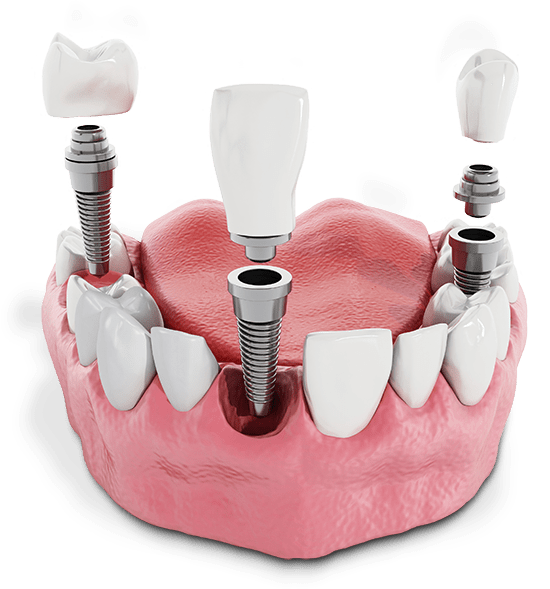 This guide explains what full arch dental implants are and why they’re becoming a popular choice for people with missing teeth. You’ll learn about the different types available, who makes a good candidate, and what to expect during treatment. We’ll also cover the costs involved and how to care for your new teeth after the procedure. Understanding these details helps you make the right choice for your dental health.
Definition of Full Arch Dental Implant
A full-arch dental implant replaces an entire row of teeth using a fixed prosthesis supported by multiple implants. This method utilizes several implants strategically placed along your jaw to secure the artificial teeth in position. Full-arch dental implants look and feel like natural teeth, providing patients with a permanent solution that restores both appearance and function. By connecting prosthetic teeth to multiple implants, this treatment provides a secure and long-lasting option for individuals who have lost numerous teeth. This treatment is effective for individuals seeking to regain full dental function and achieve a confident smile.
Benefits of Full Arch Implants
Full-arch implants offer numerous advantages for individuals seeking a permanent solution to extensive tooth loss. One major benefit is better chewing ability, letting you enjoy a wider variety of foods without pain or difficulty. Full arch implants also help keep your facial structure by preventing bone loss that happens when teeth are missing. They provide much better stability than regular dentures, reducing slipping and eliminating the need for messy adhesives. Full arch implants can also improve how clearly you speak by preventing common problems like mumbling or slurring that happen with poorly fitting dentures. These implants provide a long-term solution that supports oral health and restores confidence in your smile.
Types of Full Arch Implant Procedures
Several types of full arch implant procedures are available to address extensive tooth loss and restore oral function and appearance. One common type is the “All-on-4” technique, which utilizes four dental implants to support a full arch prosthesis. This method offers a faster solution, requiring fewer surgeries. Another option is the “All-on-6” procedure, which provides extra support and stability with six implants. For people with severe bone loss, the “Zygomatic implants” method may work well. This technique involves placing implants into the cheekbone instead of the jawbone. Each of these procedures has its own benefits, and the choice depends on your specific needs and situation.
Candidates for Full Arch Implants
To find out if you’re eligible for full arch implants, you’ll need a complete dental evaluation to check your oral health and bone structure. This evaluation includes examining your gums, jawbone density, and any existing dental problems that could affect how well the implant procedure works. Good candidates for full arch implants should have good oral hygiene habits and be willing to maintain them after the procedure. People with enough bone volume and quality in the jaw are usually better suited for full-arch implants. Your dentist will also consider your health, lifestyle habits, and any medical conditions during the evaluation to make sure you get the best possible results.
Cost Considerations for Full Arch Implants
Understanding the financial aspects of full arch implants is crucial for individuals considering this dental treatment option. The cost of full arch implants can vary based on several factors, including the type of implant, the materials used, the complexity of the procedure, and the location of the dental practice. To make an informed decision, here are some key cost considerations to keep in mind:
- Type of Implant: Different implant materials and designs can affect the total cost.
- Additional Procedures: Any necessary bone grafting or tooth extractions may increase the total expense.
- Insurance Coverage: Check if your dental insurance provides any coverage for full arch implants.
- Aftercare Costs: Factor in the cost of follow-up visits, maintenance, and potential repairs over time.
Maintenance and Aftercare for Full Arch Implants
Proper care and aftercare are crucial to ensuring your full-arch dental implants last long and function effectively. After implant surgery, you need to follow a strict oral hygiene routine. This includes brushing twice a day gently with a soft-bristle toothbrush and using an antimicrobial mouthwash. Regular dental check-ups and professional cleanings are also important to monitor the condition of your implants and ensure they heal properly. Avoiding hard or sticky foods can prevent damage to the implants and surrounding teeth. Additionally, wearing a nightguard, if recommended by your dentist, can protect the implants from grinding or clenching during sleep. By carefully maintaining good oral hygiene habits and following your dentist’s guidance, you can help make sure your full-arch dental implants work well and last a long time.
Related Topics:
Loose dentures can be frustrating and uncomfortable for many people. This guide shows you simple steps to tighten loose dentures at home before visiting your dentist. Professional dental care providers often recommend trying basic solutions first to improve denture fit and comfort. You’ll learn about checking your denture fit, using helpful products, and making small adjustments yourself. These methods can help you get better results with comprehensive dental solutions.
Assessing Denture Fit
Start by testing how well your dentures fit in your mouth. Bite down gently and move your jaw from side to side to check for movement or pain. Your upper denture should stick to the roof of your mouth without sliding around. The lower denture should sit firmly on your gums without lifting when you talk or eat. Look for gaps between the denture and your gums, as these spaces can cause problems. Check that your bite feels normal and you can speak clearly without the dentures clicking or slipping.
Using Denture Adhesives
Apply denture adhesives lightly, following the package directions to improve stability and comfort. Clean and dry your dentures completely before putting on any adhesive. Place the adhesive as thin strips or small dots, staying away from the edges to prevent excess material from squeezing out. Using too much adhesive can actually worsen the fit and cause discomfort. If your dentures still feel loose even with adhesive, you may need professional adjustments or a visit to a dentist to get the right fit.
Adjusting Denture Pads
Adjusting denture pads can significantly enhance the comfort and fit of your dentures. Here are some easy steps to adjust denture pads at home:
- Identify Pressure Points: Wear your dentures carefully to find areas causing discomfort.
- Trim Excess Material: Use small scissors to cut away any extra material on the denture pad.
- Apply Pressure: Press gently on the adjusted area to make sure it fits properly.
- Test and Refine: Wear the dentures and make more changes as needed until you get a comfortable fit.
Applying DIY Reline Kits
After finding pressure points through pad adjustments, you might want to try DIY reline kits for a better custom fit. These kits provide an affordable option for fixing loose dentures at home. Most kits include a soft material that molds to your gum shape, creating a more secure and comfortable fit. To use the reline kit, start with clean, dry dentures. Mix the materials following the kit directions and spread the mixture evenly on the denture. Place the denture in your mouth and bite down gently, then wait for the setting time the kit recommends. DIY reline kits can be a handy way to improve denture fit without needing professional help.
Trying Over-the-Counter Solutions
Over-the-counter products offer convenient ways to address loose dentures without professional help. When looking for these solutions, keep these options in mind:
- Denture Adhesives: These can improve your dentures’ fit and provide extra stability.
- Cushion Grip: A soft, silicone-based material you can apply to dentures for better comfort and fit.
- Denture Pads: These pads help fill gaps and create a better seal for loose dentures.
- Denture Relining Kits: Store-bought kits that let you reline your dentures at home for a better fit.
These solutions may offer temporary relief from loose dentures until you find a permanent fix.
Seeking Professional Help if Needed
If store-bought solutions don’t provide enough relief for loose dentures, seeking professional help from a dentist or prosthodontist may be necessary to address the issue effectively. Dentists have the skills to check the fit of your dentures and make any necessary adjustments. They may suggest relining the dentures, adjusting the clasps, or even making new dentures if required. A prosthodontist specializes in restoring and replacing teeth, providing advanced care for complex denture problems. During your visit, the dental professional will examine your mouth thoroughly, discuss treatment options, and make sure your dentures fit comfortably and securely. Don’t wait to seek professional help if your loose dentures continue despite trying home remedies.
Related Topics:
Dealing with broken dentures can be stressful and uncomfortable, but knowing how to fix broken dentures can help ease the situation. Trusted dentists recommend checking the damage first to understand what needs to be fixed in broken dentures. This guide explains simple steps to help with temporary repairs and when you need professional care. Finding reliable dental repair services makes the difference between a quick fix and a long-term solution. Understanding your options helps you make the best choice for your situation.
Assessing the Damage
Start by looking at your broken dentures carefully to see what’s wrong. Check for cracks, chips, or missing pieces on the teeth and base. Look at any metal or plastic parts that might be loose or broken. Be careful around sharp edges to avoid cutting yourself. Try putting the dentures in your mouth to see if they still fit properly. Notice any changes in how they feel or if they cause pain. Write down what you find so you can tell your dentist later. This helps you decide if you can fix them yourself or need professional help.
Temporary Fixes at Home
You can try some quick fixes at home while waiting for professional help. Denture repair kits from the pharmacy work well for small breaks. For immediate fixes, denture adhesive or temporary dental cement can hold pieces together temporarily. Clean and dry the denture completely before applying any adhesive. Follow the product directions carefully, and remember these fixes won’t last long—you’ll still need professional repair for a permanent solution.
Using Denture Repair Kits
Denture repair kits offer a handy way to fix minor damage before seeing a dentist. These kits come with tools and materials needed for basic home repairs. Here are the main benefits:
- Convenience: Easy to buy online or at local stores
- Cost-effective: Much cheaper than dentist visits
- Quick Fix: Most repairs take just minutes
- Temporary Solution: Perfect for small damage until you can see a dentist
- Easy to Use: Clear instructions make them simple to follow
When to Consult a Dentist
See a dentist right away if your denture has serious damage that home fixes can’t handle. Large cracks, missing chunks, or problems with how the denture fits need professional attention. If your dentures cause pain, sores, or don’t stay in place properly, don’t wait to get help. Dentists have special tools and training to fix complex problems and make sure your dentures work properly again.
Professional Repair Process
When you visit a dentist for denture repair, they follow specific steps to fix the problem correctly. The professional repair process includes:
- Assessment of Damage: The dentist examines the denture to see exactly what’s wrong
- Precision Alignment: If pieces need to be repositioned, the dentist makes sure everything fits perfectly
- Bonding and Adhesion: Special dental materials permanently attach broken pieces
- Finishing and Polishing: The repaired denture gets smoothed and shaped for comfort
- Quality Check: The dentist tests the repair to make sure it works before you take it home
Maintenance Tips for Longevity
Taking good care of your dentures helps them last longer and prevents future breaks. Clean your dentures every day with a soft brush and gentle cleaner to remove food and bacteria. Handle them carefully over a towel or sink filled with water to prevent damage if you drop them. Rinse your dentures after eating to keep them fresh and clean. When you’re not wearing them, keep your dentures in a cleaning solution or water so they don’t dry out and crack. Visit your dentist regularly to check the fit and catch problems early.
Related Topics:
This comparison guide helps you understand the main differences between dental implants and dentures. Many experienced dentists recommend looking at several factors when making this important decision. Any leading dental expert will tell you that both options have unique benefits and drawbacks. This article covers cost, durability, care needs, comfort, and health effects of each choice. Understanding these differences helps you make informed decisions about your oral health needs.
Cost: Implants Vs. Dentures
Experienced dentists often explain that while dentures cost less upfront, implants may save money over time. Dentures usually need replacement every 5-7 years and require regular adjustments as your jaw changes. The ongoing costs for denture cream, cleaning solutions, and replacements add up quickly. Dental implants cost more at first but can last a lifetime with good care. Most patients find implants worth the investment because they don’t need frequent replacements. Insurance coverage varies for both options, so check your plan before deciding.
Durability and Longevity
Dental implants win when it comes to how long they last. Made from titanium, implants fuse directly with your jawbone, creating a strong foundation that can last forever. Dentures typically last 5-10 years before needing replacement due to normal wear and tear. While dentures cost less initially, you’ll need to replace them multiple times throughout your life. Implants require adjustments and replacements less frequently, resulting in significant savings over time. For individuals seeking a permanent solution that mimics natural teeth, implants provide the best long-term value.
Maintenance and Care Requirements
Both implants and dentures need regular care, but the routines differ significantly. You brush and floss dental implants just like your natural teeth to prevent plaque and gum disease. Regular dental visits help monitor your implants and ensure they function properly. Dentures require daily removal and cleaning to stop bacterial growth and maintain good oral hygiene. You’ll need to soak dentures overnight in cleaning solution to keep them fresh. Handle dentures carefully to prevent damage and make sure they fit properly for comfort and function.
Comfort and Natural Feel
The fit and stability of implants and dentures affect how comfortable they feel in your mouth.
- Fit: Dental implants attach surgically to your jawbone, providing secure and stable support that feels like natural teeth. Dentures may require adhesives to stay in place, which can cause discomfort and lead to shifting.
- Natural Feel: Implants work and look like real teeth, allowing you to eat and speak normally without worry. Dentures improve over time, but may not provide the same sensation and function as implants because you can remove them.
- Oral Comfort: Implants stay fixed in place, reducing gum irritation and sores that sometimes occur with removable dentures.
Bone Health and Jaw Structure
How implants and dentures affect your jawbone and mouth structure matters for long-term oral health. Dental implants work like natural tooth roots, stimulating your jawbone to prevent bone loss and maintain its shape. This stimulation keeps bone density strong and prevents the deterioration that happens with missing teeth. Dentures sit on your gums without connecting to the bone, which can cause bone shrinkage over time. Because of this, implants are often the better choice for supporting bone health and keeping your jaw’s natural structure intact, providing a lasting solution for your oral health.
Aesthetics and Confidence
How implants and dentures affect your appearance and self-confidence shows important differences in how each option improves your smile and peace of mind.
- Natural Look: Implants look and feel like real teeth, creating a seamless appearance that helps you feel confident in social situations.
- Stability: Implants anchor securely in your jawbone, offering stability like natural teeth, which can improve how you speak and eat, building your confidence.
- Longevity: Implants provide a permanent solution that can last your whole life with proper care, giving you confidence in the durability of your new teeth.
Related Topics: