
Dental sealants have become a go-to preventive treatment in modern dentistry. These thin coatings create a shield on your teeth that blocks out decay-causing bacteria and acids. An experienced dentist can apply sealants quickly and painlessly, making this a simple way to protect your smile. This post covers what sealants are, how they’re applied, and why they work so well for both kids and adults. We’ll also break down the benefits, maintenance tips, and what you can expect from this treatment.
What Are Dental Sealants?
Dental sealants are thin plastic coatings painted onto the chewing surfaces of teeth to protect them from decay. They act as a barrier, keeping enamel safe from bacteria and acids that cause cavities. Molars and premolars are the most common teeth to get sealants since they have deep grooves and pits that are tough to clean with brushing alone. By filling in hard-to-reach spots, sealants make it easier to maintain good oral hygiene and prevent decay before it starts. Sealants are also a budget-friendly way to avoid bigger dental problems down the road, and they can last for years with the right care.
Sealant Application Process
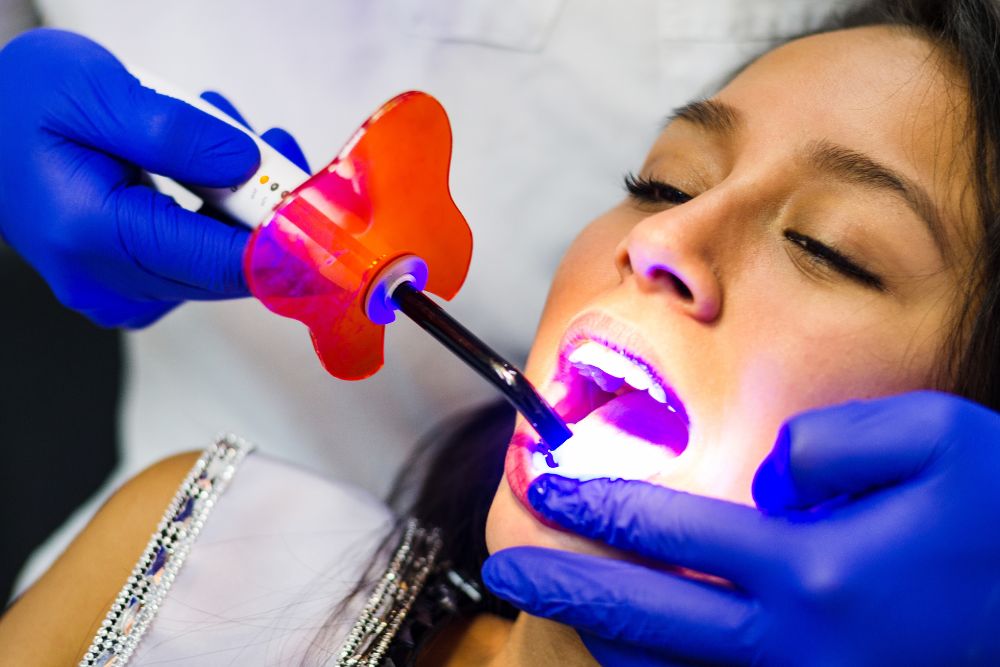
Before applying sealants, teeth are thoroughly cleaned and dried to ensure the material adheres properly. Once the teeth are prepped, a mild acidic solution is applied to the chewing surfaces to create a rough texture for better bonding. After another rinse and dry, the sealant material is carefully painted into the pits and grooves of each tooth, forming a protective layer. A curing light may be used to harden the sealant quickly. The whole process is painless and quick, providing a strong barrier against the bacteria and acids that cause tooth decay. Regular dental visits help ensure your sealants stay in good condition for long-lasting protection.
Sealants and Tooth Protection
Sealants painted onto chewing surfaces create a protective shield that guards against bacteria and acids, helping stop tooth decay in its tracks. Here’s how dental sealants protect your teeth:
- Preventive Barrier: Sealants prevent food particles and bacteria from settling into your teeth’s grooves.
- Acid Resistance: The sealant material stands up to acids produced by mouth bacteria, lowering the risk of enamel damage.
- Long-lasting Protection: With proper care, sealants can protect your teeth for several years, giving you extended defense against decay.
- Minimal Intervention: Sealants are non-invasive and don’t require any drilling or removal of tooth structure.
Benefits of Using Sealants
When it comes to protecting your oral health, sealants offer some real advantages. They act as a barrier that keeps bacteria and food particles from causing decay in the deep grooves of molars and premolars. By sealing off problem areas, sealants reduce your risk of cavities and support better oral health overall. The application is quick, painless, and doesn’t involve any drilling or tooth removal. This makes sealants an appealing preventive option for both kids and adults. On top of that, sealants cost less than treating cavities later on, making them a smart investment in your long-term dental health.
Sealants for All Ages
Dental sealants work as a solid preventive measure for people at any stage of life. Here are four reasons why sealants make sense for everyone:
- Protection: Sealants create a barrier against bacteria and acids, helping protect teeth from decay.
- Prevention: By sealing the grooves and crevices of teeth, sealants help stop cavities before they even form.
- Longevity: Sealants can last for several years, providing long-term protection for your teeth.
- Cost-Effective: Getting sealants now can save you money later by reducing the need for pricey dental treatments.
These benefits make sealants a valuable part of oral health routines, no matter your age.
Sealant Maintenance and Longevity
Taking care of your sealants plays a big role in protecting your teeth from decay and cavities over time. Proper care and regular checkups help get the most out of your sealants. Try to avoid chewing on hard items like ice or hard candy, as this can cause the sealant to chip or wear down early. Sticking to good oral hygiene habits like brushing and flossing regularly also helps your sealants last longer. Dentists usually check your sealants during routine visits and may suggest reapplication if needed. By staying on top of sealant care, you can seriously cut your risk of tooth decay and keep your oral health in good shape for years to come.
Related Topics:
Dental sealants have become a go-to preventive treatment in modern dentistry. These thin coatings create a shield on your teeth that blocks out decay-causing bacteria and acids. An experienced dentist can apply sealants quickly and painlessly, making this a simple way to protect your smile. This post covers what sealants are, how they’re applied, and why they work so well for both kids and adults. We’ll also break down the benefits, maintenance tips, and what you can expect from this treatment.
What Are Dental Sealants?
Dental sealants are thin plastic coatings painted onto the chewing surfaces of teeth to protect them from decay. They act as a barrier, keeping enamel safe from bacteria and acids that cause cavities. Molars and premolars are the most common teeth to get sealants since they have deep grooves and pits that are tough to clean with brushing alone. By filling in hard-to-reach spots, sealants make it easier to maintain good oral hygiene and prevent decay before it starts. Sealants are also a budget-friendly way to avoid bigger dental problems down the road, and they can last for years with the right care.
Sealant Application Process
Before applying sealants, teeth are thoroughly cleaned and dried to ensure the material adheres properly. Once the teeth are prepped, a mild acidic solution is applied to the chewing surfaces to create a rough texture for better bonding. After another rinse and dry, the sealant material is carefully painted into the pits and grooves of each tooth, forming a protective layer. A curing light may be used to harden the sealant quickly. The whole process is painless and quick, providing a strong barrier against the bacteria and acids that cause tooth decay. Regular dental visits help ensure your sealants stay in good condition for long-lasting protection.
Sealants and Tooth Protection
Sealants painted onto chewing surfaces create a protective shield that guards against bacteria and acids, helping stop tooth decay in its tracks. Here’s how dental sealants protect your teeth:
- Preventive Barrier: Sealants prevent food particles and bacteria from settling into your teeth’s grooves.
- Acid Resistance: The sealant material stands up to acids produced by mouth bacteria, lowering the risk of enamel damage.
- Long-lasting Protection: With proper care, sealants can protect your teeth for several years, giving you extended defense against decay.
- Minimal Intervention: Sealants are non-invasive and don’t require any drilling or removal of tooth structure.
Benefits of Using Sealants
When it comes to protecting your oral health, sealants offer some real advantages. They act as a barrier that keeps bacteria and food particles from causing decay in the deep grooves of molars and premolars. By sealing off problem areas, sealants reduce your risk of cavities and support better oral health overall. The application is quick, painless, and doesn’t involve any drilling or tooth removal. This makes sealants an appealing preventive option for both kids and adults. On top of that, sealants cost less than treating cavities later on, making them a smart investment in your long-term dental health.
Sealants for All Ages
Dental sealants work as a solid preventive measure for people at any stage of life. Here are four reasons why sealants make sense for everyone:
- Protection: Sealants create a barrier against bacteria and acids, helping protect teeth from decay.
- Prevention: By sealing the grooves and crevices of teeth, sealants help stop cavities before they even form.
- Longevity: Sealants can last for several years, providing long-term protection for your teeth.
- Cost-Effective: Getting sealants now can save you money later by reducing the need for pricey dental treatments.
These benefits make sealants a valuable part of oral health routines, no matter your age.
Sealant Maintenance and Longevity
Taking care of your sealants plays a big role in protecting your teeth from decay and cavities over time. Proper care and regular checkups help get the most out of your sealants. Try to avoid chewing on hard items like ice or hard candy, as this can cause the sealant to chip or wear down early. Sticking to good oral hygiene habits like brushing and flossing regularly also helps your sealants last longer. Dentists usually check your sealants during routine visits and may suggest reapplication if needed. By staying on top of sealant care, you can seriously cut your risk of tooth decay and keep your oral health in good shape for years to come.
Related Topics:
Dental sealants are a common preventive treatment that many dentists recommend for both kids and adults. These thin coatings get applied to the chewing surfaces of back teeth to protect against cavities. If you’re looking for excellent dental care options, understanding what goes into sealants and how safe they are can help you make a smart choice. This post covers the materials used in dental sealants, the different types available, and what the experts say about their safety. We’ll also break down the benefits so you can decide if sealants are right for you or your family.
Importance of Dental Sealants
Dental sealants play a big role in preventing cavities and protecting teeth from decay. These thin coatings get applied to the chewing surfaces of molars and premolars, where most cavities form. By filling in the deep grooves and pits of these teeth, sealants create a smooth surface that’s easier to keep clean with regular brushing. Research shows that sealants can cut the risk of cavities by up to 80% in the first two years after application. They also provide long-lasting protection, with some lasting up to 10 years. The benefits are clear: sealants offer a simple, painless, and affordable way to protect your teeth from decay.
Composition of Dental Sealants
Dental sealants are typically made from a resin material designed to create a protective barrier on molars and premolars. This resin is a type of plastic that goes on as a liquid and hardens into a thin layer over the chewing surfaces of teeth. The composition can also include fillers that improve the material’s flow and durability. These fillers often contain materials like silica or glass particles. Most dental sealants are BPA-free to ensure patient safety. Knowing what’s in dental sealants matters because it affects how well they prevent cavities and protect teeth.
Types of Dental Sealant Materials
There are several types of dental sealant materials, each suited to different needs. The most common include resin-based sealants, glass ionomer sealants, and resin-modified glass ionomer sealants. Resin-based sealants are popular because they’re durable and resist wear, making them a good fit for areas that take a lot of chewing pressure. Glass ionomer sealants release fluoride, which helps strengthen tooth enamel and prevent cavities. Resin-modified glass ionomer sealants combine the benefits of both types, offering better strength and adhesion. Each material has its own characteristics, so your dentist can choose the best option for your specific situation.
Safety Concerns and Considerations
Patient safety matters in any dental procedure, so it’s worth addressing concerns about dental sealants. While sealants are considered safe and effective, there are a few things to keep in mind. Some people worry about exposure to bisphenol A (BPA) from certain sealants. Still, the American Dental Association confirms that BPA levels from sealants are minimal and don’t pose a known health risk. Proper application by a trained professional helps prevent any issues. If you have allergies to any sealant ingredients, talk to your dentist before getting them. When applied correctly to the right patients, dental sealants offer a safe and valuable way to prevent tooth decay.
Benefits of Using Dental Sealants
Using dental sealants has been shown to lower the risk of tooth decay in both kids and adults. These thin protective coatings are applied to the chewing surfaces of molars and premolars, creating a barrier that prevents bacteria and food particles from causing cavities. By stopping these substances from settling into the grooves and crevices of teeth, sealants help maintain good oral health. Studies show that dental sealants can reduce cavity rates by up to 80% in the first two years after application and stay effective for several more years. This preventive step not only guards against decay but also saves people from potential pain and expensive treatments down the road.
Expert Opinions on Dental Sealant Safety
Recent studies and expert discussions have put dental sealant safety under the microscope. Here are the main points from what the experts say:
- FDA Approval: Dental sealants are FDA-approved and considered safe for preventing tooth decay.
- Long-Term Safety: Studies show that dental sealants are safe for extended use, with very little risk of side effects.
- Biocompatibility: Dental sealant materials are well tolerated by oral tissues, reducing the risk of allergic reactions.
- Professional Application: Having a trained dental professional apply the sealants helps guarantee both safety and effectiveness.
Related Topics:
Choosing between a root canal and tooth extraction isn’t always straightforward. Both procedures address serious dental problems, but they come with different benefits, drawbacks, and long-term effects on your oral health. The recommended dental offices in Encino can help you weigh your options based on your specific situation. This post covers the pros and cons of each procedure, costs, recovery times, and what factors matter most when making your decision. Understanding the differences will help you pick the right path for your teeth.
Pros and Cons of Root Canal
Knowing the benefits and drawbacks of a root canal helps you make a smarter choice about your dental health. Root canals let you keep your natural tooth, which means you won’t need replacements like dental implants or bridges down the road. The procedure also eliminates pain and infection caused by severe decay or damage to the tooth’s inner pulp. On the downside, root canals may take multiple dentist visits to complete, and there’s a small chance of reinfection if the tooth isn’t sealed properly. The upfront cost also tends to run higher than a simple extraction. Weighing these factors can point you toward the best option for your situation.
Pros and Cons of Tooth Extraction
When considering pulling a tooth, you need to weigh the pros and cons before moving forward. One major benefit of extraction is the immediate relief it brings from severe pain or infection. Removing a problem tooth can also stop infection from spreading to nearby teeth and gums. The downside? Extraction can affect the teeth around it and change the overall structure of your mouth. Losing a tooth can create problems with chewing, speaking, and the alignment of your remaining teeth. Talk to your dentist to determine whether extraction is the best option for your dental health.
Cost Considerations for Each Procedure
Money matters when it comes to dental work, so it’s worth comparing the price tags for both options. Root canal treatment usually costs more upfront than extraction. The procedure’s complexity, the number of roots involved, and the crown you’ll likely need afterward all add to the total. Tooth extraction might look like the cheaper choice at first glance. But think about the long-term picture, pulling a tooth without replacing it can lead to extra costs for implants, bridges, or dentures later on. It makes sense to compare the initial price against what you might spend down the road when deciding between a root canal and extraction.
Recovery Time Comparison
Recovery looks different depending on which procedure you go with. After a root canal, most people get back to their normal routine right away, though mild soreness or sensitivity can persist for a few days. Tooth extraction typically takes longer to heal from. The initial recovery period runs about 1-2 weeks, and you’ll need to follow specific aftercare instructions to avoid complications. Keep in mind that healing times vary from person to person, depending on factors such as overall health, how well you follow post-treatment care, and the complexity of the procedure.
Impact on Oral Health
Root canal treatment and tooth extraction affect your oral health in very different ways over time. A root canal aims to save your natural tooth by removing the infected pulp, cleaning out the root canal, and sealing it to block future infection. This keeps your tooth working normally, maintains proper jaw alignment, and stops neighboring teeth from shifting out of place. Extraction means removing the entire tooth, which can cause bone loss, make chewing harder, and, over time, throw off the alignment of surrounding teeth. While both procedures have their place, going with a root canal when possible often leads to better overall oral health and a more natural smile in the long run.
Factors Influencing the Decision-Making Process
Several things come into play when deciding between a root canal and extraction. The extent of the tooth’s damage matters most. If the damage only reaches the pulp, a root canal might do the job; if the tooth structure is badly compromised, extraction could be the better call. Your overall oral health, including gum condition and bone density, also factors into the decision. Where the tooth sits in your mouth, how it functions when you chew, and how easy it is to keep that area clean all play a role, too. Budget concerns, such as insurance coverage and out-of-pocket expenses, can also tip the scales. Talking through these factors with your dentist helps you make the right call.
Related Topics:
Dental sealants do a great job protecting teeth from decay, but they need regular monitoring to stay effective. How often you should get them checked depends on several factors specific to you. A local dental office in Encino can set up a check-up schedule based on your age, cavity risk, and daily oral care habits. This post covers why these check-ups matter, what affects how often you need them, and the risks of skipping appointments. Staying on top of these visits keeps your sealants working and your teeth healthy.
Importance of Dental Sealant Check-ups
Getting your dental sealants checked regularly plays a big role in keeping your mouth healthy and cavity-free. These appointments let your dentist see if the sealants are still intact and doing their job of blocking bacteria and acids that cause decay. Studies show that sealants can reduce the risk of cavities in molars by up to 80%, which are the teeth most likely to develop decay. Routine visits catch problems early, which saves you from more expensive dental work down the road. Sticking to the check-up schedule your dentist recommends helps your sealants last longer and protect your teeth better.
When to Schedule Check-ups
Figuring out when to book your sealant check-ups comes down to a few personal factors. Here are some things to keep in mind:
- Age: Kids and teenagers may need more frequent visits since their teeth are still developing.
- Risk of Decay: If you’re more prone to cavities, you’ll likely need evaluations more often.
- Sealant Condition: Regular assessments ensure your sealants remain intact and working properly.
- Dentist’s Recommendation: Following your dentist’s suggested schedule keeps your oral health on track.
Factors Affecting Check-up Frequency
Several things determine how often you need to get your dental sealants checked. Your oral hygiene habits, your likelihood of getting cavities, and the current condition of your sealants all factor in. People who brush and floss consistently may not need to come in as often as those with a history of decay or less thorough cleaning routines. The type of sealant material, how well it was applied, and your diet also affect how long sealants last and how well they hold up. Your dentist can consider all these factors and customize a check-up schedule that provides you with the best protection against tooth decay.
Benefits of Regular Check-ups
Routine dental sealant check-ups give your dentist a chance to catch any issues before they become bigger problems. Here’s what regular visits offer:
- Early Intervention: Spotting wear or damage early means quick repairs that keep your sealants effective.
- Preventive Maintenance: Professional cleanings during these visits help maintain sealant integrity and stop decay before it starts.
- Monitoring Changes: Your dentist can track how your sealants hold up over time and adjust treatment to make them last longer.
- Overall Oral Health: These visits aren’t just about sealants, they give your dentist a chance to check your whole mouth and catch other issues too.
Risks of Infrequent Check-ups
Skipping dental sealant check-ups can lead to problems that defeat the purpose of having them in the first place. Without regular monitoring, sealants are more likely to chip, wear down, or fall off completely. Once that happens, the tooth underneath becomes exposed to decay. If sealants aren’t reapplied when they start breaking down, your teeth lose that protective barrier. Missing these appointments also means missing the chance to catch small issues early, which can turn into bigger dental problems that could have been avoided.
Ensuring Long-term Sealant Effectiveness
Keeping your dental sealants effective over time requires consistent monitoring by your dentist. Good maintenance ensures they keep doing their job of protecting your teeth. Here are some ways to get the most out of your sealants:
- Regular Check-ups: Book routine dental visits to have your sealants evaluated.
- Monitoring Wear: Let your dentist assess any wear and tear so they can touch up problem areas.
- Reapplication Timing: Figure out when sealants need to be redone based on how they’re holding up and your specific oral health needs.
- Professional Expertise: Trust your dentist to assess, recommend, and properly handle sealant maintenance.
Related Topics:
Dental sealants are a popular preventive treatment that helps protect teeth from cavities. While they offer real benefits, they also come with some drawbacks worth knowing about before you commit. A skilled dentist can help you weigh the pros and cons based on your specific situation. This post covers the main disadvantages of dental sealants, from durability concerns to cost factors. Understanding these issues will help you make a smarter decision about your oral health.
Limited Longevity
How long do dental sealants actually last before they need to be replaced? On average, dental sealants last 5 to 10 years before you’ll need new ones. That said, several things affect how long yours will last: your daily oral hygiene habits, how well the sealant was applied, and the type of material used. Regular dental visits help track the condition of your sealants, so you know when they need repair or replacement. Even with their limited lifespan, cavity protection sealants still play a significant role in a good oral care routine.
Chipping and Cracking Risks
How long sealants last matters, but damage is another issue to think about. Sealants are durable, but they can still chip or crack from chewing hard foods, grinding your teeth, or using your teeth to open things. Over time, normal wear can cause the edges to chip or, in worst cases, cracks to form. When this happens, the protective barrier breaks down and bacteria can sneak in and cause decay. Dentists recommend regular check-ups to catch any chipping or cracking early and fix it before bigger problems start.
Bacteria Trapping Potential
One concern with dental sealants is their ability to trap bacteria in the grooves and pits of teeth, increasing the risk of decay. This can happen if bacteria are already in those areas before the sealant goes on, or if the sealant breaks down over time and lets bacteria in. Here are some key points to keep in mind:
- Trapped bacteria can form acid-producing biofilms that wear down tooth enamel.
- Poor brushing and flossing habits can worsen bacterial buildup under the sealant.
- Regular dental check-ups and sealant maintenance help prevent bacteria from building up and causing tooth decay.
Good oral hygiene and regular dental visits can help prevent bacteria from becoming trapped under your sealants.
Application Challenges for Some
Getting dental sealants applied can be tricky for some people because tooth structure varies from person to person. This makes it harder to guarantee the sealant reaches every groove and pit on the tooth surface. The application process takes careful attention and precision to seal off areas where decay could start. Dentists need a steady hand and a solid understanding of tooth anatomy to handle the unique shapes of each tooth. If the application isn’t done right, the sealant won’t bond properly to the tooth, making it less effective at preventing cavities. Getting the technique down is key to making sure sealants actually do their job.
Allergic Reactions
Some people have allergic reactions to dental sealants, so be aware before getting them. Reactions can range from mild irritation to severe responses that need immediate medical care. If you know you’re allergic to certain compounds found in dental sealants, tell your dentist before they apply anything. The most common allergens in sealants include acrylates, bisphenol-A (BPA), and other resin ingredients. These can cause symptoms such as itching, swelling, redness, or even breathing problems in severe cases. Knowing about potential allergic reactions helps keep patients safe while still benefiting from cavity prevention.
Cost Considerations
The financial side of dental sealants matters when deciding if they’re right for you. The upfront cost might put some people off, but it’s worth looking at the long-term savings. A sealant application typically runs $30 to $40 per tooth, a small price compared to what you’d pay for cavity treatment later. Studies show that sealant costs are much lower than fillings or other dental repairs. In the U.S., many dental insurance plans cover sealants for kids, making them an affordable preventive option. The initial expense can save you real money down the road by reducing the need for more extensive dental work.
Related Topics:
A loose dental filling can catch you off guard, but knowing your options makes handling it much easier. This post covers temporary home fixes, over-the-counter solutions, and what to expect at a trusted dental office when you need a permanent repair. We’ll break down the common causes of loose fillings so you can prevent them down the road. You’ll also find aftercare tips to keep your fillings in good shape for years. Acting fast on a loose filling helps you avoid bigger problems later.
Common Causes of Loose Fillings
Understanding why fillings come loose can help you avoid the problem in the future. Poor oral hygiene, which leads to decay around the filling, is one of the main culprits. Grinding or clenching your teeth puts extra pressure on fillings and can loosen them over time. Eating hard or sticky foods can also knock a filling out of place. Fillings may wear down with age or shift if they weren’t placed correctly from the start. Regular dental checkups help catch loose fillings early before they cause more damage. Keeping up with brushing and flossing, and being mindful of habits that stress your teeth, goes a long way toward preventing this issue.
Temporary Fixes at Home
When a filling comes loose unexpectedly, a few temporary fixes can hold you over until you can see a dentist. Start by cleaning the area with warm water to clear out any food or debris. Over-the-counter dental cement can temporarily hold the loose filling in place. Just make sure the filling is dry before applying it. Avoid chewing on the side with the loose filling to prevent more damage. These home fixes offer short-term relief, but getting professional care quickly is the best way to avoid complications and get a lasting solution.
Dental Wax as a Temporary Solution
Dental wax is another option for temporarily securing a loose filling until you can get to the dentist. It’s a soft, moldable material that covers the exposed or loose filling and adds a layer of protection. To use it, clean and dry the area, then take a small piece of wax and shape it over the affected spot. Press it gently into place and smooth it out to create a secure seal. While dental wax can reduce discomfort and protect the filling for a bit, it’s still a temporary fix. Professional care is needed to permanently resolve the underlying problem.
OTC Dental Cement Application
Over-the-counter dental cement offers a quick way to temporarily secure a loose filling and prevent further discomfort. To apply it, clean the affected area thoroughly and dry it completely. Mix the cement according to the package instructions. Using a clean dental tool, place the cement over the loose filling and shape it to fit comfortably in your mouth. Let it sit for the recommended time before eating or brushing. OTC dental cement provides temporary relief, but it’s not a long-term fix. Schedule an appointment with your dentist as soon as possible.
Professional Dental Solutions
When you visit the dentist for a loose filling, they’ll likely recommend dental bonding or a dental crown, depending on the extent of the damage. Dental bonding uses a tooth-colored resin that’s applied to the tooth surface and hardened with a special light. This method works well for minor repairs and restores the tooth’s shape and function with a natural look. A dental crown, on the other hand, is a custom-made cap that covers the entire tooth for added strength and protection. Your dentist will assess the extent of the damage and recommend the best option for your situation to provide a solid, long-lasting fix.
Prevention and Aftercare Tips
Good oral hygiene habits are your best defense against future filling problems. Brush your teeth at least twice a day, floss daily, and use an antiseptic mouthwash. Regular dental visits for checkups and cleanings help keep your fillings healthy. Here are some extra tips to protect your dental work:
- Avoid hard or sticky foods that can damage fillings
- Use a nightguard if you grind your teeth
- Stay hydrated to prevent dry mouth
- Quit smoking to support better oral health
Related Topics:
 Dental fillings come in several materials, and each has its own pros and cons. Choosing the right filling depends on factors such as the location in your mouth, your budget, and how you want it to look. Encino’s quality dental care providers can help you figure out which option makes the most sense for your situation. This post covers the main types of fillings available today, from traditional amalgam to gold and ceramic options. Understanding what’s out there helps you make a smarter decision when it’s time to fix a cavity.
Amalgam Fillings
Amalgam fillings are a go-to option in dentistry because they’re tough and affordable. These fillings are made from a mix of metals like silver, tin, copper, and mercury. The metal blend makes them highly resistant to wear, which is why they work great for back teeth that take a lot of chewing pressure. They also cost less than most other filling types, making them a solid pick for patients watching their budget. Some people have raised concerns about the mercury content, but research shows the amount released is minimal and safe for most people. Amalgam fillings remain a practical and reliable choice.
Composite Fillings
Composite fillings, sometimes called tooth-colored fillings, are popular because they blend in with your natural teeth. They’re made from a mix of plastic resin and fine glass particles that can be shaded to match your exact tooth color. This makes them almost invisible once they’re in place. Composite fillings work well for small to medium cavities, especially in spots where people can see your teeth when you smile. They bond directly to the tooth, providing support and helping prevent further decay. They cost a bit more than amalgam, but the natural look makes them worth it for many patients.
Ceramic Fillings
Ceramic fillings offer a durable and natural-looking alternative to traditional options. They’ve become more popular because of their strength and their ability to match real teeth. Here’s what makes them stand out:
- Natural Appearance: Ceramic fillings can be color-matched to your teeth, blending in seamlessly.
- Biocompatible: They’re made from non-toxic materials, which reduces the risk of allergic reactions or sensitivity.
- Durability: These fillings hold up well against wear and can last a long time.
- Minimally Invasive: The process usually requires removing less of your natural tooth compared to other filling types.
Glass Ionomer Fillings
Glass ionomer fillings are a versatile option that dentists use for specific situations. They’re made from a mix of glass powder and an organic acid, and one of their best features is that they release fluoride, which helps prevent future decay. These fillings bond directly to the tooth structure, giving added support and strength. Dentists typically use them for small to medium fillings in areas that don’t take heavy bite pressure. They also have a natural, slightly translucent look that blends well with surrounding teeth.
Gold Fillings
Gold fillings, also called gold inlays or onlays, have been around in dentistry for a long time. They’re less common today, but they still offer real advantages for certain patients. Here’s what to know:
- Durability: Gold fillings are extremely tough and can last for many years with proper care.
- Biocompatibility: Gold is well tolerated by the body, making it a good option for people with metal allergies.
- Strength: These fillings handle chewing forces well and are less likely to wear down the teeth they bite against.
- Precision Fit: Gold inlays and onlays are custom-made in a lab, ensuring precise fit and proper function.
Resin Fillings
Resin fillings, also called composite fillings, are widely used in modern dentistry to repair teeth damaged by decay or injury. They’re made from plastic mixed with fine glass particles, giving them a natural look that matches the tooth color. The dentist applies the resin in layers and hardens each one with a special light. One big advantage is that resin bonds directly to the tooth, which can actually strengthen the overall structure. These fillings work on both front and back teeth. The trade-off is that resin may not last as long as amalgam, so you might need replacements down the road.
Related Topics:
Dental sealants are a thin protective coating that dentists apply to teeth to prevent cavities. These clear barriers work by smoothing out tooth surfaces and blocking bacteria from reaching vulnerable spots. The application process starts with cleaning the tooth, then treating it with an acidic solution, placing the sealant material, and using light to harden it. This preventive treatment provides strong protection against decay, reduces bacterial buildup, and offers an affordable way to maintain oral health. Any reputable dentist in Encino will tell you that sealants are especially helpful for kids and teens during those cavity-prone growing years.
Understanding Dental Sealants
Think of dental sealants as invisible shields for your teeth. This thin, protective coating gets painted onto the chewing surfaces of your back teeth, creating a barrier against the bacteria and food particles that love to hide in those deep grooves and pits. The material itself can be either clear or tooth-colored, so nobody even knows it’s there.
What makes sealants work so well is how they bond to those tricky spots on your molars and premolars. You know those areas that your toothbrush just can’t quite reach? The sealant fills them in and creates a smooth surface that’s way easier to keep clean. It’s like giving your teeth a protective coating against decay.
Kids and teenagers get the most benefit from this treatment since their permanent teeth are still settling in and their brushing technique might need some work. But honestly, adults can benefit too if they have deep grooves that trap food and bacteria.
How Sealants Get Applied
The whole process is surprisingly straightforward and completely painless. Your dental team starts by giving your teeth a thorough cleaning to remove any plaque or food debris. Once everything’s clean, they need to make sure your teeth are completely dry, because moisture can affect how well the sealant bonds.
Here’s where it gets interesting. They’ll often apply a mild acidic solution to roughen the tooth surface a little. This might sound scary, but it’s totally normal and helps the sealant stick better. Think of it like lightly sanding a surface before painting.
Then comes the actual sealant application. The dentist paints the material right onto your tooth surfaces, and it flows into all those nooks and crannies. A special blue light is usually used to harden the material quickly, though some types of sealant will harden on their own, given a few minutes.
Why Sealants Make Such a Difference
The protection factor here is pretty impressive. By creating this barrier, sealants prevent about 80% of cavities in treated teeth during the first couple of years after application. That’s a significant reduction in decay risk, which translates to fewer fillings, less drilling, and definitely less money spent on dental work down the road.
What’s really nice about sealants is that they’re completely non-invasive. No drilling, no shots, no discomfort. You’re literally adding protection without taking anything away from your natural tooth structure. The procedure takes just a few minutes per tooth, and you can eat normally right after.
The cost-benefit ratio works out really well, too. Getting sealants now costs way less than dealing with cavities later. Most insurance plans recognize this and cover sealant treatment for kids, though coverage varies by plan.
Long-term Protection and Care
Sealants can last anywhere from five to ten years with proper care, though they’ll need to be checked at your regular dental visits. Your dentist will look for any signs of wear or chipping and can touch up or reapply the sealant if needed.
Taking care of sealed teeth isn’t any different from your normal oral hygiene routine. Regular brushing with fluoride toothpaste, flossing, and those routine dental cleanings will keep everything in good shape. The sealants actually make cleaning easier since those deep grooves are now smooth surfaces.
Your dentist might recommend replacing sealants if they start wearing down, but this isn’t automatic. Some people keep their original sealants for many years without any problems. It really depends on your individual bite pattern, eating habits, and how well the sealant bonded in the first place.
The investment in sealant treatment pays off through fewer cavities, less complex dental work, and better long-term oral health outcomes. It’s one of those preventive measures that make a lot of sense, especially when you consider how much easier it is to prevent decay than to treat it after it happens.
Contact Us
At Sargon Dental, we’re here to assist you every step of the way. Whether you’re a new or returning patient, have questions about our services, or need assistance with scheduling, reaching out is easy.
Address: 16101 Ventura Blvd #350, Encino, CA 91436
Office Hours:
- Monday – Friday: 9:30 am – 5:00 pm
- Saturday & Sunday: CLOSED
Call Us: (818) 626-3549
Schedule an Appointment
Ready to take the next step toward a healthier smile? You can schedule an appointment online or by calling our offices directly. Our team is here to accommodate your preferred method of communication, whether it’s a phone call, text, or email.
Related Topics:
If your dental filling hurts after treatment, don’t panic. It happens more often than people think. Sometimes it’s just your tooth adjusting, especially if the filling was deep or near the nerve. Other times, it might be your bite or even a tiny infection hiding under the filling.
Rarely, some people react to the material itself. Paying attention to the kind of pain and when it happens can tell you a lot. Clinics offering the best dental care usually see this all the time and know exactly what to check first.
Common Causes of Filling Pain
Pain after a filling can have a few explanations. The size of the filling matters; bigger ones press on the tooth differently. If the nerve inside was irritated during the procedure, you might feel lingering soreness.
Sometimes your bite isn’t perfectly aligned after the filling, and you end up chewing a little wrong. That can make the tooth ache even if the filling is fine. Gums might also get a little irritated, which adds to the discomfort. The main thing is to tell your dentist what you’re feeling; they can usually sort it out quickly.
Sensitivity to Temperature Changes
Hot drinks, ice cream, and even cold air hitting your tooth might sting a bit after a filling. That’s normal and usually goes away in a few days. Your tooth might be dehydrated from the procedure, or the nerve is just waking up after being worked on.
Some people feel a twinge when biting too. If the sharp feelings don’t fade after a couple of weeks, it’s worth getting it checked, but for most people, it eases on its own.
Bite Misalignment Issues
If your tooth feels “off” when you bite down, it could be a little high from the filling. Your teeth might not meet perfectly, which puts pressure on that spot. That pressure can travel to the jaw and even make chewing uncomfortable.
A quick adjustment from your dentist usually fixes it. Leaving it alone isn’t the best idea because it can make the soreness last longer or cause jaw tension.
Infection or Decay Under the Filling
Sometimes pain is a warning. If bacteria got under the filling or if decay wasn’t fully removed, your tooth might hurt even when you’re not chewing.
You might notice swelling, a bad taste, or even just a dull ache that won’t go away. If that happens, see your dentist right away. Early treatment prevents bigger problems like a root canal or replacing the filling entirely.
Allergic Reaction to Filling Material
It’s rare, but some people react to the filling itself. Redness, swelling, or itchiness could appear. Severe reactions are very uncommon, but if you notice hives, trouble breathing, or a rash, call your dentist immediately. Letting your dentist know about allergies before the procedure helps prevent this.
Post-Treatment Inflammation and Sensitivity
Some tenderness is normal after getting a filling. Your gums might be a little sore, or the tooth itself could feel irritated. Deep fillings or slightly high spots can make this worse.
Chewing carefully and avoiding very hard foods can help. Most of the time, it fades within a few days. If it lingers, a quick checkup usually solves it with minor adjustments.
Related Topics: