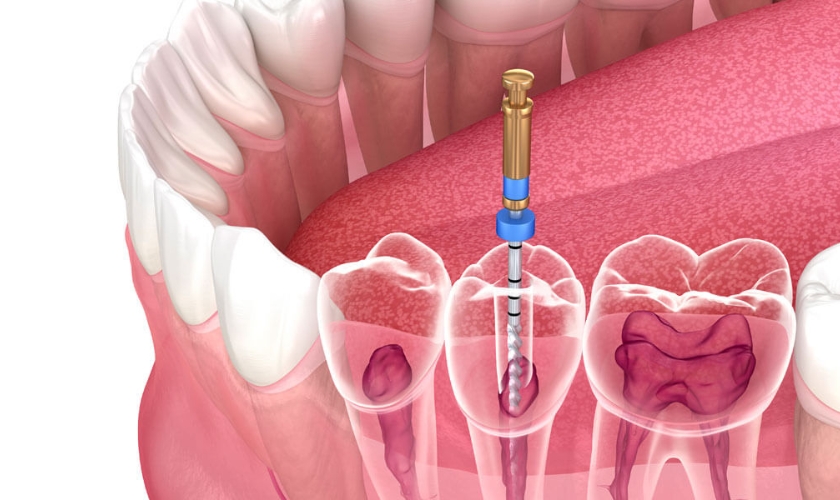
If you’ve been dealing with ongoing tooth pain, swelling, discoloration, or those nasty abscesses, you might need to think about getting a root canal. These symptoms are basically your tooth’s way of waving a red flag that something’s seriously wrong and needs attention. Brushing off these warning signs could spiral into bigger problems that mess with your entire mouth situation. Getting help from an expert dentist in West Hollywood is key to tackling the real issue, stopping more damage, and getting rid of that annoying pain. Your body’s pretty good at telling you when things are off-listening to those signals keeps your smile game strong.
Tooth Pain and Sensitivity
Tooth pain, especially when it’s constant or sharp, is often a sign that you need to take action. Sensitivity, particularly to hot or cold foods that lingers long after the stimulus has gone, is a common symptom of an underlying issue with the tooth nerve. The discomfort could range from mild, dull pain to intense, throbbing sensations when chewing. A toothache that keeps you awake at night or lasts longer than a couple of days should not be ignored. This could mean the infection has spread deep into the tooth, and a root canal might be the best solution. Visiting a dentist sooner rather than later can help prevent the situation from worsening.
Swollen Gums
Swollen, tender gums could indicate an infection or other serious dental issue, and might be pointing to the need for root canal therapy. If your gums appear red or feel tender when touched, or if they seem swollen around a specific tooth, an infection might be present. In some cases, it’s a sign of conditions like gingivitis or periodontitis, but it can also mean the presence of an abscessed tooth. If untreated, these infections can spread and damage the surrounding bone and tissues. So, if you notice these symptoms, make sure to schedule a dental check-up promptly. Early intervention is key to preserving your oral health and preventing more extensive treatments down the road.
Prolonged Discomfort
When discomfort becomes prolonged, it’s a signal that something isn’t right. Whether it’s a persistent throbbing pain or sensitivity that doesn’t go away, prolonged discomfort should be taken seriously. Other signs to watch for include
- Aching pain in a specific tooth that seems to persist.
- Sensitivity to hot or cold that lingers after the stimulus is removed.
- Pain that worsens when biting down or applying pressure to the tooth.
- Discomfort that interferes with your daily routine or disrupts sleep.
Ignoring these signs can cause the problem to escalate, leading to more severe dental issues. So, if the discomfort is constant or worsening, seeking professional evaluation is essential for timely treatment.
Tooth Discoloration
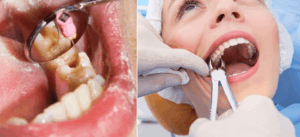
Tooth discoloration often points to something deeper than surface stains. While habits like drinking coffee, tea, or smoking can lead to staining, sudden or unusual discoloration may suggest something more serious. As teeth age, they may also show a yellowish hue due to the wearing down of enamel. However, unexpected color changes can sometimes be an indication of hidden dental problems that may require a root canal. Certain medications or dental procedures might also cause discoloration. Consulting a dentist when you notice these changes is a good idea, as they can help uncover any underlying issues early.
Abscess Formation
An abscessed tooth is a serious condition and often requires root canal treatment to address the infection. Abscesses form when bacteria invade the tooth’s pulp, creating a pocket of pus around the affected area. Common signs of an abscess include:
- A severe, throbbing toothache, which may radiate to your jaw or ear.
- Swelling around the face or gums.
- Foul-smelling drainage from the affected tooth.
- Fever and general discomfort.
These symptoms are red flags, and if you experience them, it’s vital to see a dentist as soon as possible. An abscess can spread quickly and lead to serious complications, so early treatment can help prevent further damage and preserve your tooth.
Dental Trauma
Dental trauma can occur from various incidents, like accidents or sports injuries. Cracked, chipped, or dislodged teeth, especially if there’s damage to the root, often require immediate attention. Whether you’ve been involved in a fall, car accident, or physical altercation, prompt dental care is essential. If the trauma has affected the tooth’s root, a root canal might be necessary to save the tooth and prevent further issues. Delaying treatment can lead to infections or permanent damage, so seek dental care quickly to prevent complications and ensure the best outcome.
Contact Us
At Sargon Dental, we’re here to assist you every step of the way. Whether you’re a new or returning patient, have questions about our services, or need assistance with scheduling, reaching out is easy.
📍 Address: 8711 Sunset Blvd, West Hollywood, CA 90069
📞Phone: 323-990-7533
🕒 Office Hours:
- Monday – Friday: 9:30 AM – 5:00 PM
- Saturday & Sunday: CLOSED
📅 Schedule an Appointment
Ready to take the next step toward a healthier smile? You can schedule an appointment online or by calling our offices directly.
Related Topics: