
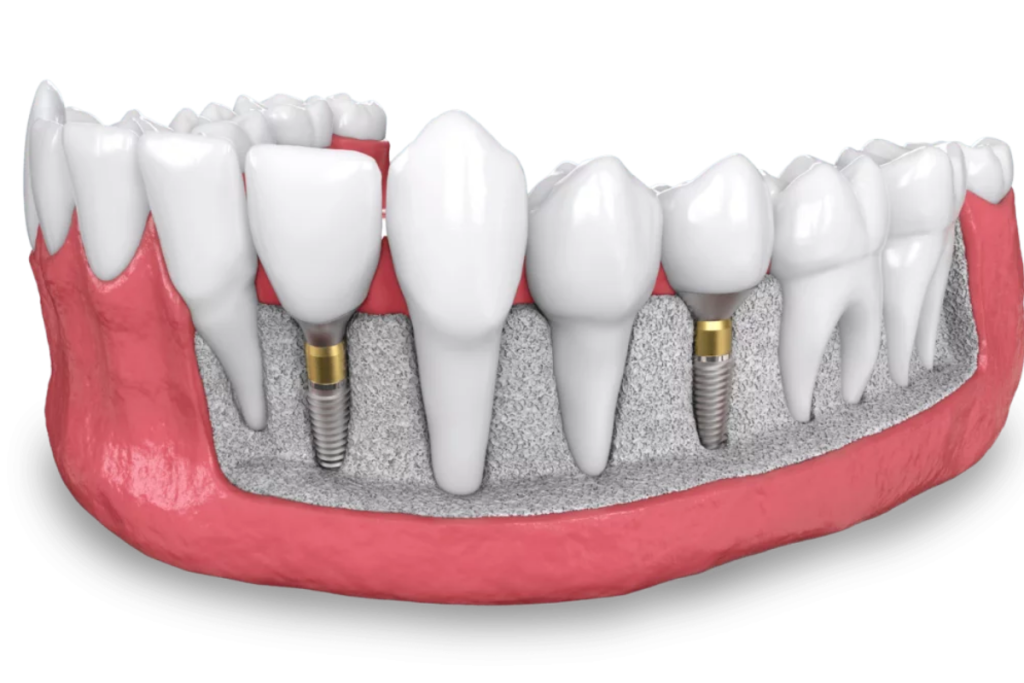
Many people wonder about the right time to get dental implants and worry they may have waited too long. This guide explains the main factors that affect implant success and timing. Several key elements determine if you’re a good candidate for implants, including your age, bone health, gums, and other health issues. Professional dental services can help evaluate these factors and create the best treatment plan for your situation. Understanding these considerations helps you make smart choices about your oral health.
Age and Bone Density
Age and bone strength are important factors for dental implant success. Younger patients usually have better bone quality and thickness, which helps implants stay stable and last longer. As people get older, bone density can decrease, making it harder for the bone to support an implant properly. Older patients may also have health conditions or take medicines that slow bone healing and affect how well the implant bonds with the jaw. A complete check of your age and bone health is needed to make sure your dental implant will work well.
Gum Health and Oral Hygiene
Healthy gums and good oral care are very important for dental implant success. Taking care of your gums and teeth greatly affects the effectiveness and longevity of your implants. Here are the key points to remember:
- Daily brushing and flossing help prevent gum disease and create a strong base for implants
- Regular dental visits help catch problems early that might affect your ability to get implants
- Good oral care habits improve your overall health and confidence
- Taking care of your teeth now leads to a healthier, brighter smile later
Overall Health Conditions
Your general health plays a big role in deciding if dental implants are right for you. Before getting implants, your dentist needs to review your medical history, current medicines, and health problems. Some health issues like poorly controlled diabetes, immune system disorders, and serious heart problems can affect implant success. Conditions that weaken your immune system or slow healing, like cancer treatment or certain medications, can create risks during recovery. Your dentist should work with your doctors to ensure your overall health is optimal before implant surgery, giving you the best chance for success.
Adjacent Teeth Status
The condition of teeth near the implant site affects whether the procedure will work. When checking nearby teeth, several important factors matter:
- Health of Nearby Teeth: Making sure neighboring teeth are strong and healthy is key for successful implant placement
- Gum Health: Healthy gums around nearby teeth are needed to support the new implant and prevent problems
- Alignment: Proper positioning of nearby teeth affects how the implant is placed and how stable it will be
- Bone Density: Strong bone around nearby teeth is vital for supporting the implant and helping it last
These factors are important for making good decisions about dental implant placement.
Consultation With a Dental Professional
Meeting with a dental expert lets you get a complete check of your oral health and learn if dental implants are right for you. This visit is a key step in deciding if dental implants are your best choice. The dentist will check factors such as bone strength, gum health, and oral care habits to make sure you’re a good candidate. They’ll also talk about any dental problems that need fixing before getting implants. The consultation gives you a chance to ask questions and discuss any concerns about the implant process, recovery, and ongoing care. Being honest during this visit is important for getting the best results for your oral health.
Related Topics: