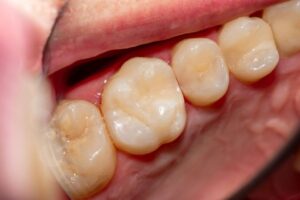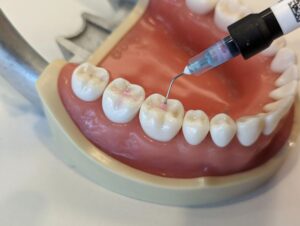

So, you just got a dental filling. Congrats, your tooth is fixed, but don’t be surprised if things feel a little off at first. It’s normal to notice some sensitivity, especially with hot coffee, cold drinks, or sugary treats. Your tooth is just getting used to the new filling, kind of like breaking in new shoes. Usually, that discomfort fades after a few days, maybe a week or so. While that’s happening, softer foods are your friends; think yogurt, smoothies, or cooked veggies. Hard candy or nuts? Probably not a good idea for a bit. And yes, brushing and flossing still matter.
A soft-bristled toothbrush can make things gentler, especially around the filled tooth. Following up with your dentist is a good idea, too. They want to make sure everything’s healing properly. And hey, if you’re looking to keep costs reasonable, checking into affordable dental services for follow-ups is a smart move.
Initial Sensitivity
It’s pretty common for a tooth to feel sensitive after a filling. Don’t panic; it’s usually temporary. Sometimes biting down on something firm, or sipping a hot or cold drink, can make it ache a little. That’s normal. The tooth is adjusting, especially if the cavity was deep and close to the nerve.
A few days or a week, and most of that goes away. But if the pain sticks around or gets worse, call your dentist. They’ll check to make sure the filling is seated right, and nothing else is going on. Sometimes a little tweak is all it takes.
Eating and Drinking
After a filling, you’ll probably notice some foods aren’t quite as fun as usual. Sticky or hard foods can mess with the new filling, so try to skip caramels, taffy, ice cubes, and nuts for a while. Drinks that are way too hot or super cold might make your tooth twinge, so aim for room temperature or just slightly warm or cool.
Softer foods are easier things that don’t need much chewing. And while you’re eating, remember gentle brushing and flossing. You don’t have to go overboard, but keeping the area clean helps everything settle properly.
Oral Hygiene Routine
Oral hygiene after a filling isn’t really different than usual, but it’s worth paying a bit more attention. Brush at least twice a day, floss every day, and maybe rinse with mouthwash if you usually do.
Soft-bristle toothbrushes are nicer for sensitive teeth. When brushing, just be aware not to scrub like crazy, just gentle cleaning. This helps prevent bacteria from hanging out near the filling and causing decay. Simple stuff, but it really works.
Follow-Up Appointments
Make sure you actually go to the follow-up visit. Some people think, “Oh, I feel fine, I’ll skip it,” but that’s not ideal. Your dentist will want to check the filling, make sure the bite is okay, and see that the gums are healthy. Usually, that first check-in is a few weeks after your filing.
Sometimes minor adjustments are needed, and catching it early is better than letting a tiny problem turn into something bigger. These appointments are part of keeping your filling strong for the long term.
Watching for Changes
Keep an eye on your tooth. Pay attention to how it feels and looks. Any sudden pain, a rough edge, a weird bite, or discoloration? Make a note. Even a slight swelling or tenderness around the gums is worth watching.
Just noticing things early helps avoid bigger problems later. It’s like knowing your car catches minor issues before they get expensive.
When to Call Your Dentist
If you notice anything weird, don’t wait. Persistent pain, sensitivity that sticks around, rough filling edges, or bite changes are reasons to get checked. Ignoring it could mean decay underneath the filling or even a loose filling, which is a bigger hassle to fix.
Your dentist can evaluate and decide whether it needs a quick fix or a new filling. Acting fast usually saves discomfort, time, and sometimes money.
Related Topics: