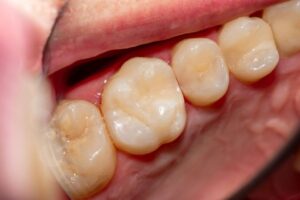

Dental patients often ask what they can eat after restorative work, especially after getting a filling. Food choices matter more than people expect. Sticking with softer foods and keeping acidity low helps protect the repaired tooth and keeps irritation down, something a local dentist in West Hollywood would usually point out during post-visit care instructions.
After a dental filling, your mouth needs a little time to get used to the change. That is normal. The tooth feels different, the area around it may be tender, and eating the wrong thing too soon can make that worse. Being mindful of what you eat during this short adjustment period can help prevent sensitivity and avoid extra trips back to the dental office.
Gentle Foods That Support Healing
Soft foods become your best friends during the first few days after a filling procedure. Mashed potatoes, well-cooked pasta, and creamy soups provide necessary nutrition without putting stress on your treated tooth. Yogurt offers probiotics that can benefit oral health, while scrambled eggs deliver protein without requiring aggressive chewing.
Temperature matters too. Room temperature or slightly warm foods tend to be more comfortable than extremely hot or cold options that might trigger sensitivity. Many patients find that lukewarm oatmeal, soft-cooked vegetables, and mild cheese work well during the initial recovery period.
Calcium-Rich Options for Tooth Strength
Your teeth depend on adequate calcium intake for remineralization and strength maintenance. Dairy products like milk, soft cheeses, and plain yogurt provide bioavailable calcium that supports dental health. Non-dairy alternatives include fortified plant-based milks, canned salmon with soft bones, and leafy greens prepared until tender.
Calcium works best when paired with vitamin D, which helps your body absorb this mineral more effectively. Some patients report that incorporating calcium-rich smoothies made with spinach, banana, and milk helps them meet their nutritional needs while accommodating their temporary dietary restrictions.
Foods That Encourage Natural Cleansing
High-fiber options, when soft enough to chew comfortably, can stimulate saliva production and help cleanse your mouth naturally. Cooked apples, steamed broccoli, and soft pears provide fiber without the harsh texture that might disturb your filling area.
Saliva production plays a crucial role in oral health by neutralizing acids and washing away food particles. Foods that promote healthy saliva flow include mild fruits, cooked vegetables, and whole grains prepared until soft. This natural cleansing process helps protect both your filling and surrounding teeth from bacterial buildup.
Anti-Inflammatory Nutrition Choices
Reducing inflammation supports faster healing and less discomfort after dental procedures. Omega-3 fatty acids found in salmon, ground flaxseed, and mashed avocado can help minimize inflammatory responses in your mouth. Many dental professionals recommend these foods as part of post-procedure care.
Antioxidant-rich options like blended berries, cooked sweet potato, and herbal teas provide compounds that support tissue repair. Turmeric, when added to soft foods like rice or soup, offers natural anti-inflammatory properties that some patients find helpful during recovery.
Hydration and Sugar-Free Alternatives
Water remains the ideal beverage choice after dental work, helping rinse away bacteria and food particles while keeping your mouth clean. Sugar-free herbal teas provide variety without feeding harmful bacteria that could compromise your filling or surrounding teeth.
Avoiding sugary drinks becomes particularly important during the healing period. Sports drinks, sodas, and sweetened beverages can increase cavity risk around your new filling. Many patients switch to infused water with cucumber or mint for flavor without added sugars.
Foods That Could Compromise Your Filling
Sticky substances like caramel, taffy, and dried fruits can potentially dislodge new fillings or get trapped around the restoration site. Hard foods, including ice, nuts, and crunchy snacks, might crack or chip both your filling and natural tooth structure.
Acidic items such as citrus fruits, tomato-based products, and vinegar dressings can increase sensitivity and potentially weaken tooth enamel around your restoration. Most dentists suggest waiting at least 24-48 hours before reintroducing these foods gradually.
Temperature extremes can trigger discomfort in recently filled teeth. Very hot coffee or ice-cold beverages might cause thermal shock that leads to sensitivity or pain. Room temperature alternatives often provide more comfort during the first week of recovery.
Supporting Long-Term Filling Success
Maintaining consistent oral hygiene alongside proper nutrition helps ensure your filling lasts as long as possible. Gentle brushing around the restoration area and regular flossing support gum health while protecting your investment in dental care.
Patient testimonials often highlight the importance of following dietary guidelines during the initial healing period. Those who stick to recommended foods typically report less sensitivity and fewer complications compared to patients who return to normal eating habits too quickly.
Regular dental checkups allow your dentist to monitor your filling and catch any potential issues early. Many dental practices emphasize that proper post-procedure care, including appropriate food choices, significantly impacts the longevity of restorative work.
The foods you choose after getting a dental filling can influence both your immediate comfort and long-term oral health outcomes. Focusing on soft, nutritious options while avoiding potentially harmful foods sets the stage for successful healing and helps protect your dental investment for years to come.
Contact Us
At Sargon Dental, we’re here to assist you every step of the way. Whether you’re a new or returning patient, have questions about our services, or need assistance with scheduling, reaching out is easy.
Address: 8711 Sunset Boulevard, West Hollywood, California 90069
Phone: (323) 990-7533
Office Hours:
- Monday – Friday: 9:30 AM – 5:00 PM
- Saturday & Sunday: Closed
Schedule an Appointment: Ready to take the next step toward a healthier smile? You can schedule an appointment online or by calling our offices directly.
Related Topics: