
Most people hear “oral surgery” and immediately think of wisdom teeth getting yanked out. But there’s actually a lot more that falls under this category than you might expect. From jaw corrections to dental implants, oral surgery covers a wide range of procedures that go beyond your typical filling or cleaning. Encino’s reliable dentist can help you determine whether a surgical approach makes sense for your specific situation. This guide breaks down the different types of oral surgery, why you might need one, how to prepare, and what recovery looks like.
Definition of Oral Surgery
Oral surgery is a branch of dentistry focused on surgical treatments for problems affecting your mouth, jaw, and face. These procedures address issues such as impacted teeth, jaw alignment problems, facial injuries, and oral diseases. Oral surgeons undergo years of additional training to perform these procedures safely and accurately. They know the ins and outs of dental anatomy, which helps them diagnose and treat complicated cases. The goal is always to restore normal function and appearance to your mouth and face.
Types of Oral Surgery Procedures
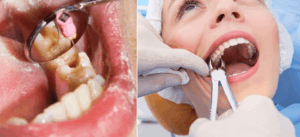
Several procedures fall under the umbrella of oral surgery. Tooth extractions deal with severely decayed or damaged teeth that can’t be saved. Wisdom tooth removal is super common, usually done to prevent crowding or to remove teeth that are stuck beneath the gum line. Dental implants involve placing metal posts into your jawbone to hold replacement teeth. Corrective jaw surgery fixes skeletal problems that affect your bite or facial balance. Facial trauma surgery repairs damage from accidents or injuries. Oral pathology procedures diagnose and treat diseases in and around your mouth.
Common Reasons for Oral Surgery
Impacted wisdom teeth are among the top reasons people need oral surgery. When these teeth get stuck or grow in at weird angles, they cause pain and infection and can mess up your other teeth. Jaw misalignment is another big one. Orthognathic surgery corrects this and improves both your bite and facial appearance. Sometimes, teeth are so severely decayed or damaged that extraction is the only option left. Facial injuries from car accidents, sports, or falls often require surgical repair to restore both function and appearance. These situations represent just a handful of reasons someone might need oral surgery.
Preparation for Oral Surgery
Getting ready for oral surgery means following your surgeon’s instructions carefully. You’ll need to stop eating and drinking for a set amount of time before the procedure, depending on what type of anesthesia you’re getting. Your surgeon will tell you if you need to adjust any medications you’re currently taking. Be upfront about your complete medical history, including allergies and prescriptions. This keeps things safe. You’ll also need someone to drive you home afterward if you’re being sedated. Sticking to these prep steps sets you up for a smoother surgery and faster healing.
During and After Oral Surgery
Knowing what happens during and after your procedure helps you recover without surprises. Here’s what to expect:
- Your surgeon will give you specific instructions for your post-op care.
- Swelling and soreness are normal; you might get a prescription for pain meds.
- Stick to soft foods to avoid irritating the surgical area.
- Rest up and keep your mouth clean for the fastest recovery.
Risks and Recovery From Oral Surgery
Every surgery carries some risk, and oral surgery is no different. Infection, heavy bleeding, nerve damage, or bad reactions to anesthesia can happen, though they’re not common. Following your post-op instructions closely makes a huge difference in your healing. That means managing pain and swelling, keeping your mouth clean, and eating soft foods. Recovery time depends on what procedure you had, but expect some discomfort and puffiness for a few days. Make sure you show up to your follow-up appointments so your surgeon can check that everything’s healing right. If you notice anything severe or symptoms that won’t go away, call your oral surgeon right away. Staying informed about risks and following recovery guidelines helps you bounce back faster and more safely.
Related Topics: