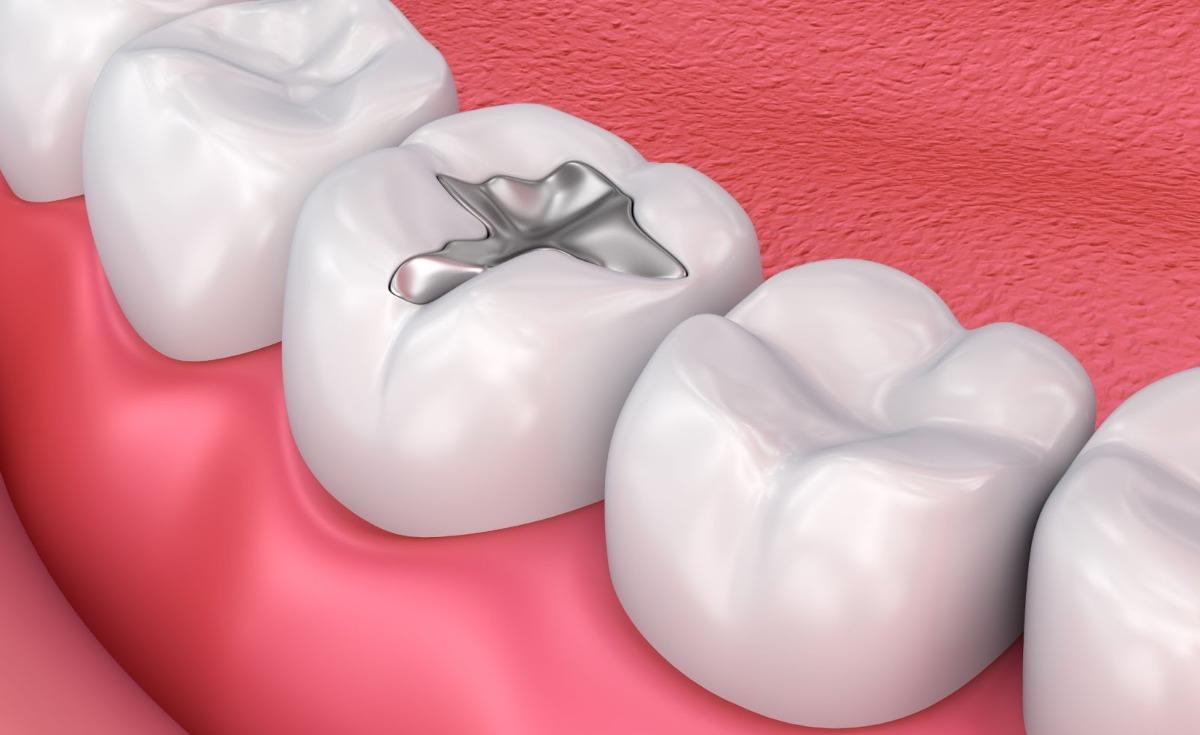
Dental fillings are one of the most common treatments your local dentist performs to fix cavities and tooth decay. They help restore your teeth’s function and appearance while preventing further decay. This post covers the different types of fillings available, the procedure, and how to care for your teeth afterward. You’ll also learn about the materials dentists use and why oral hygiene matters for keeping fillings intact. Understanding these basics can help you make smarter decisions about your dental care.
Types of Dental Fillings
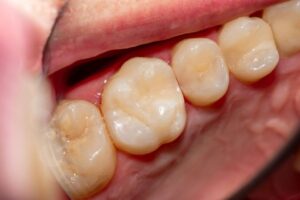
Several types of dental fillings are available to treat cavities and repair damaged teeth. Amalgam fillings are made from a mix of metals and are known for lasting a long time. Composite resin fillings match your tooth color and blend in naturally, making them a popular pick for teeth that show when you smile. Ceramic fillings are also tooth-colored and offer both durability and a clean look. Gold fillings stand out for their strength and longevity. Each type has its own pros and cons, so talking to your dentist helps you figure out which option best fits your needs and budget.
Procedure for Getting a Filling
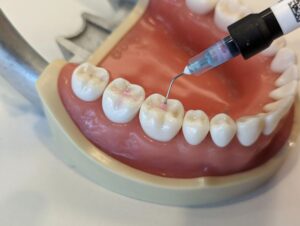
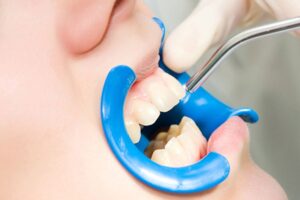
Getting a filling starts with the dentist numbing the area around your tooth, so you stay comfortable throughout. Once you’re numb, the dentist uses a drill to remove the decayed part of the tooth. After that, they thoroughly clean out the cavity to ensure no bacteria or debris remains. The filling material then gets placed into the cavity and shaped to match the natural curves of your tooth. A special light or chemical process hardens the filling. The dentist checks that everything fits right and doesn’t mess with your bite before you leave.
Importance of Oral Hygiene
Good oral hygiene plays a big role in how long your fillings last and how well they hold up. Taking care of your teeth prevents decay and gum disease, both of which can weaken fillings over time. Here are three habits that make a difference:
- Brushing: Brush your teeth at least twice a day with fluoride toothpaste to clear away plaque and bacteria.
- Flossing: Daily flossing cleans between teeth where your toothbrush can’t reach, helping lower your risk of cavities and gum disease.
- Regular Dental Check-ups: Routine visits let your dentist professionally clean your teeth, check on your fillings, and catch any issues early.
Sticking with these habits goes a long way in keeping your fillings strong and effective.
Benefits of Dental Fillings
Dental fillings offer a reliable way to restore damaged teeth and prevent decay from worsening. By filling cavities, they restore the tooth’s structure and function while preventing decay from spreading. One major benefit is that fillings can help you avoid more serious treatments down the road, such as root canals or extractions. They also help with tooth sensitivity caused by cavities and strengthen the tooth so you can bite and chew normally. Keeping up with dental check-ups means any needed fillings get handled quickly, protecting your overall dental health.
Materials Used for Fillings
Dentists use several materials for fillings, each with its own strengths:
- Amalgam: A tough material made from a mix of metals, including silver, tin, copper, and mercury. It’s affordable and has been around for over a century because it holds up well.
- Composite Resin: A tooth-colored plastic blend reinforced with glass particles. It looks natural and works well for small to mid-size fillings since it bonds directly to the tooth.
- Gold and Porcelain: Gold fillings last a long time and work well with gum tissue, but they cost more. Porcelain fillings match your tooth color and resist staining, making them a solid choice for visible teeth.
Caring for Filled Teeth
Taking care of filled teeth comes down to good oral hygiene and regular dental visits. Brush at least twice daily with fluoride toothpaste and floss daily to help prevent decay around your fillings. Stay away from hard foods that could crack or damage fillings, and drop habits like nail-biting or chewing on pens. Regular dental appointments give your dentist a chance to professionally clean your teeth, check how your fillings are holding up, and spot problems early. Your dentist might suggest dental sealants for extra protection. If you notice any discomfort or sensitivity, schedule an appointment right away to address potential issues before they get worse. With solid oral care and routine check-ups, your filled teeth can stay healthy and functional for years.
Related Topics: