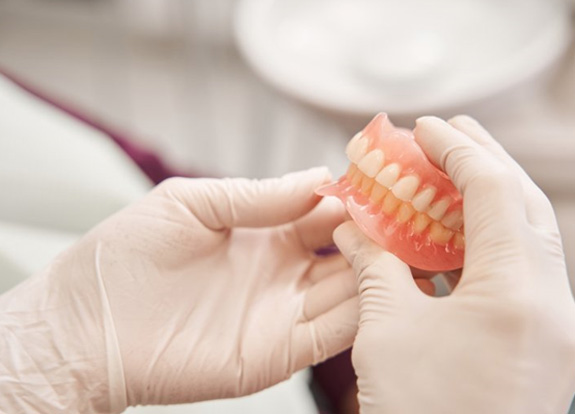
Choosing between veneers and dentures can feel overwhelming when you’re trying to achieve the best dental care for your smile. These two treatments serve distinctly different purposes in dentistry, and understanding their individual functions is the first step toward effective treatment. Veneers focus on improving the appearance of your teeth, while dentures help replace missing teeth. Your specific situation, budget, and goals will determine which treatment option is most suitable for you. This guide breaks down what you need to know about both options.
Key Differences Between Veneers and Dentures
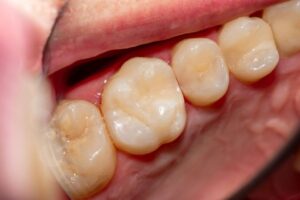
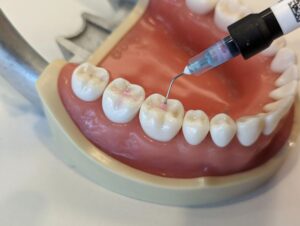
Veneers and dentures solve different dental problems. Veneers are thin coverings made from porcelain or composite resin that attach to the front of your existing teeth. They address cosmetic issues such as stains, minor gaps, slight crookedness, or chips. Dentures, however, are removable appliances that replace missing teeth. You can get partial dentures if you’re missing some teeth, or full dentures if you need to replace all your teeth in one or both jaws. Dentures help you chew food correctly, speak clearly, and keep your face from looking sunken. Understanding these differences helps you choose the most suitable treatment.
Pros and Cons of Veneers
Veneers come with several advantages. They hide stains, chips, and gaps while looking completely natural. Coffee and tea won’t stain them easily, and they’re quite durable. Your dentist removes less of your natural tooth to place veneers compared to crowns. But there are downsides too. If your teeth are severely damaged, veneers may not be a suitable option. Once you get veneers, you can’t reverse the process because your dentist has to remove some of your natural enamel. They cost more than many other cosmetic treatments. Over time, you may need repairs or replacements to maintain their appearance.
Pros and Cons of Dentures
Here’s what you should know about dentures:
Advantages:
- Dentures are often less expensive than many other dental treatments.
- They help you speak and eat better when you’re missing teeth.
- You can take them out for cleaning, which makes care easier.
- They give you back your smile and can make you feel more confident.
Disadvantages:
- Dentures sometimes move around in your mouth, which feels uncomfortable.
- You may need to avoid certain foods that could damage them.
- Your jawbone changes shape over time, so you’ll need adjustments.
- You must clean them properly every day to prevent bad breath and infections.
Factors to Consider Before Choosing
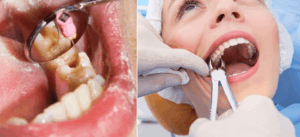
Several things should guide your decision. The health of your teeth and gums matters most—if you have severe decay or gum disease, dentures might work better. Think about how long each option lasts. Veneers usually last longer but will need replacement at some point. Your daily habits count too. If you grind your teeth at night, veneers may not hold up well. Don’t forget about price and upkeep. Each option requires different levels of care and spending. Considering these factors helps you make a choice that suits your needs and lifestyle.
Comparing Cost and Maintenance
Money and upkeep differ significantly between these options:
- Cost: Veneers have a higher upfront price than dentures.
- Longevity: You’ll likely replace dentures more often than veneers, which affects your long-term spending.
- Maintenance: Veneers need regular dental visits and good daily brushing and flossing.
- Repair Costs: Dentures may require occasional fixes or adjustments, which can add to your expenses over time.
Understanding these financial differences helps you determine which option best fits your budget and daily routine.
Which Option Is Best for You?
The right choice depends on your specific needs. Veneers work well if you want to improve how your teeth look, fixing discoloration, gaps, or odd shapes. They’re permanent and need little daily care, but they cost more upfront. Dentures are a good option if you’re missing several teeth. They’re budget-friendly and removable for easy cleaning. Dentures bring back your ability to chew and can improve your oral health. Talk to your dentist about your specific situation. They’ll help you decide based on your mouth’s condition, your budget, and what you want from treatment.
Related Topics: