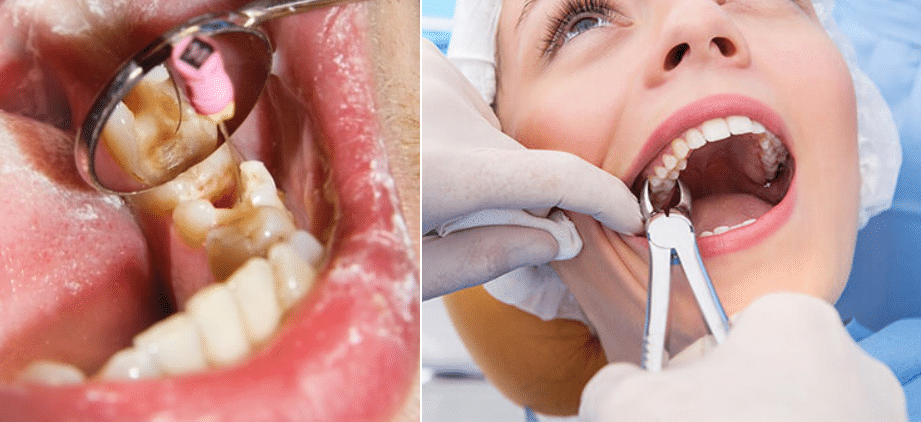
Choosing between a root canal and tooth extraction isn’t always straightforward. Both procedures address serious dental problems, but they come with different benefits, drawbacks, and long-term effects on your oral health. The recommended dental offices in Encino can help you weigh your options based on your specific situation. This post covers the pros and cons of each procedure, costs, recovery times, and what factors matter most when making your decision. Understanding the differences will help you pick the right path for your teeth.
Pros and Cons of Root Canal
Knowing the benefits and drawbacks of a root canal helps you make a smarter choice about your dental health. Root canals let you keep your natural tooth, which means you won’t need replacements like dental implants or bridges down the road. The procedure also eliminates pain and infection caused by severe decay or damage to the tooth’s inner pulp. On the downside, root canals may take multiple dentist visits to complete, and there’s a small chance of reinfection if the tooth isn’t sealed properly. The upfront cost also tends to run higher than a simple extraction. Weighing these factors can point you toward the best option for your situation.
Pros and Cons of Tooth Extraction
When considering pulling a tooth, you need to weigh the pros and cons before moving forward. One major benefit of extraction is the immediate relief it brings from severe pain or infection. Removing a problem tooth can also stop infection from spreading to nearby teeth and gums. The downside? Extraction can affect the teeth around it and change the overall structure of your mouth. Losing a tooth can create problems with chewing, speaking, and the alignment of your remaining teeth. Talk to your dentist to determine whether extraction is the best option for your dental health.
Cost Considerations for Each Procedure
Money matters when it comes to dental work, so it’s worth comparing the price tags for both options. Root canal treatment usually costs more upfront than extraction. The procedure’s complexity, the number of roots involved, and the crown you’ll likely need afterward all add to the total. Tooth extraction might look like the cheaper choice at first glance. But think about the long-term picture, pulling a tooth without replacing it can lead to extra costs for implants, bridges, or dentures later on. It makes sense to compare the initial price against what you might spend down the road when deciding between a root canal and extraction.
Recovery Time Comparison
Recovery looks different depending on which procedure you go with. After a root canal, most people get back to their normal routine right away, though mild soreness or sensitivity can persist for a few days. Tooth extraction typically takes longer to heal from. The initial recovery period runs about 1-2 weeks, and you’ll need to follow specific aftercare instructions to avoid complications. Keep in mind that healing times vary from person to person, depending on factors such as overall health, how well you follow post-treatment care, and the complexity of the procedure.
Impact on Oral Health
Root canal treatment and tooth extraction affect your oral health in very different ways over time. A root canal aims to save your natural tooth by removing the infected pulp, cleaning out the root canal, and sealing it to block future infection. This keeps your tooth working normally, maintains proper jaw alignment, and stops neighboring teeth from shifting out of place. Extraction means removing the entire tooth, which can cause bone loss, make chewing harder, and, over time, throw off the alignment of surrounding teeth. While both procedures have their place, going with a root canal when possible often leads to better overall oral health and a more natural smile in the long run.
Factors Influencing the Decision-Making Process
Several things come into play when deciding between a root canal and extraction. The extent of the tooth’s damage matters most. If the damage only reaches the pulp, a root canal might do the job; if the tooth structure is badly compromised, extraction could be the better call. Your overall oral health, including gum condition and bone density, also factors into the decision. Where the tooth sits in your mouth, how it functions when you chew, and how easy it is to keep that area clean all play a role, too. Budget concerns, such as insurance coverage and out-of-pocket expenses, can also tip the scales. Talking through these factors with your dentist helps you make the right call.
Related Topics: