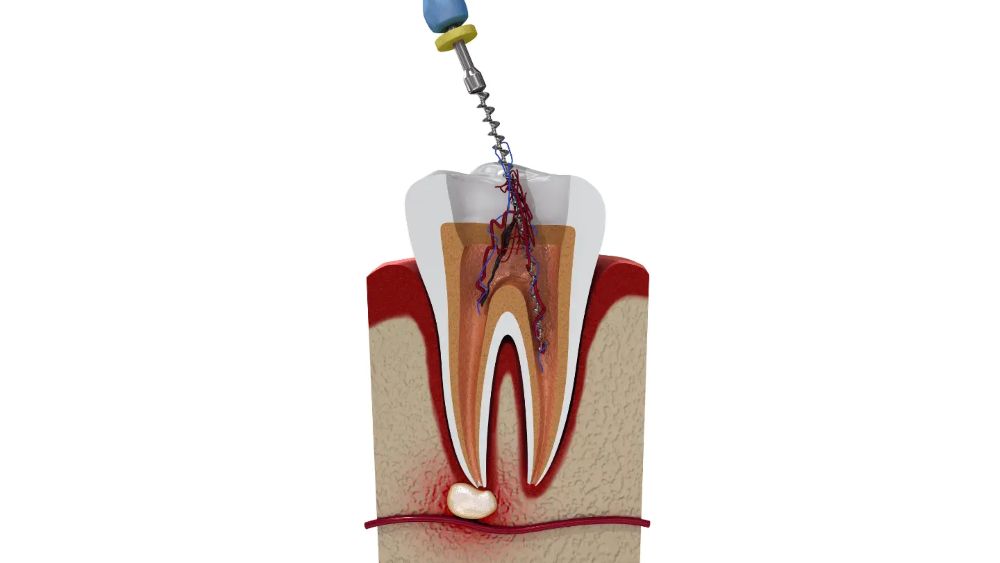
This procedure removes infected tissue from inside your tooth and seals it up to stop problems from spreading. Excellent dental care often means knowing when a root canal can prevent bigger issues down the road. In this post, we’ll break down why dentists recommend root canals, how they work, and what benefits they offer. Understanding the basics can help you feel more confident if you ever need one.
Tooth Preservation
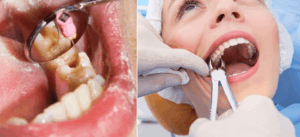
One of the main goals of a root canal is to keep your natural tooth intact. Dentists typically suggest this treatment when the dental pulp, the soft tissue inside your tooth that contains nerves and blood vessels, gets infected or damaged. The procedure involves removing the infected pulp, cleaning out the inside of the tooth, and sealing it so bacteria can’t get back in. This saves the tooth from needing to be pulled. Keeping your natural tooth helps you chew properly, maintains the spacing between your other teeth, and supports better overall oral health.
Infection Treatment
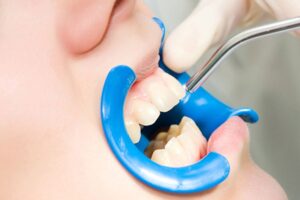
Root canals are a go-to solution for clearing out dental infections. When bacteria reach the pulp chamber, they can cause an abscess, a painful pocket of infection that can spread to nearby tissues if left alone. During treatment, the dentist removes all infected pulp, thoroughly cleans the area, and seals it up tight. This stops the infection in its tracks and keeps your natural tooth in place. Getting treatment early prevents complications and protects the rest of your mouth from further damage.
Pain Relief
Most people think root canals cause pain, but they actually relieve it. The procedure targets infected or inflamed pulp that’s been causing all that discomfort. Once the dentist removes the damaged tissue and any bacteria hanging around, the pain source is gone. The inside of the tooth gets cleaned, disinfected, and filled with a special material that seals the space and blocks future infections. After healing, patients usually feel way better and can get back to eating and drinking without that constant ache.
Removal of Pulp
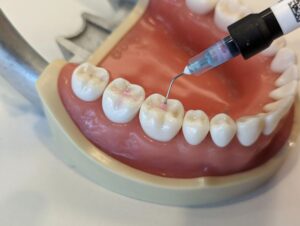
Taking out the pulp is the core step in any root canal. This tissue sits in the center of your tooth and holds nerves, blood vessels, and connective fibers. When decay goes deep, trauma occurs, or you’ve had multiple dental procedures on the same tooth, the pulp can become infected or swollen. That leads to serious pain and potential complications if ignored. The dentist carefully removes all damaged pulp, cleans the inner walls, and shapes the root canals so they’re ready for filling. Removing the infection source lets the tooth heal and stick around for years to come.
Restoration of Function
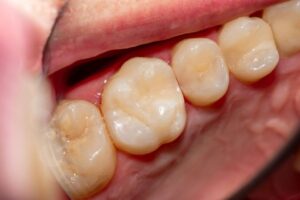
After the root canal wraps up, the next step is rebuilding the tooth’s strength. Usually, this means placing a filling or a dental crown over the treated area. Fillings work well for smaller spots of damage, while crowns cover the whole tooth and provide more protection for teeth that took a bigger hit. Crowns come in different materials: porcelain, metal, or a mix, depending on what makes sense for the location and your bite. The goal is to get your tooth back to normal so you can chew, bite, and smile without worrying about it.
Prevention of Tooth Loss
Once your root canal is done and the tooth is restored, keeping it healthy becomes the priority. Brushing twice a day and flossing regularly prevent new decay and gum disease, two major reasons people lose teeth. Regular dental checkups catch small problems before they become big ones, especially in teeth that have had previous treatment. Cutting back on sugary snacks and acidic drinks also helps protect the tooth’s structure over time. Sticking with these habits keeps your treated tooth strong and reduces the risk of future dental issues.
Related Topics: