Dental fillings come in several different materials, and each one has its own set of pros and cons. Choosing the right filling depends on factors such as the location in your mouth, your budget, and how you want it to look. Encino’s quality dental care providers can help you figure out which option makes the most sense for your situation. This post covers the main types of fillings available today, from traditional amalgam to gold and ceramic options. Understanding what’s out there helps you make a smarter decision when it’s time to fix a cavity.
Amalgam Fillings
Amalgam fillings are a go-to option in dentistry because they’re tough and affordable. These fillings are made from a mix of metals like silver, tin, copper, and mercury. The metal blend makes them highly resistant to wear, which is why they work great for back teeth that take a lot of chewing pressure. They also cost less than most other filling types, making them a solid pick for patients watching their budget. Some people have raised concerns about the mercury content, but research shows the amount released is minimal and safe for most people. Amalgam fillings remain a practical and reliable choice.
Composite Fillings
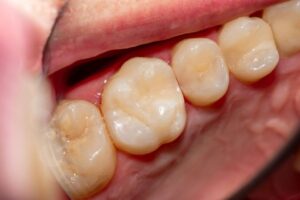
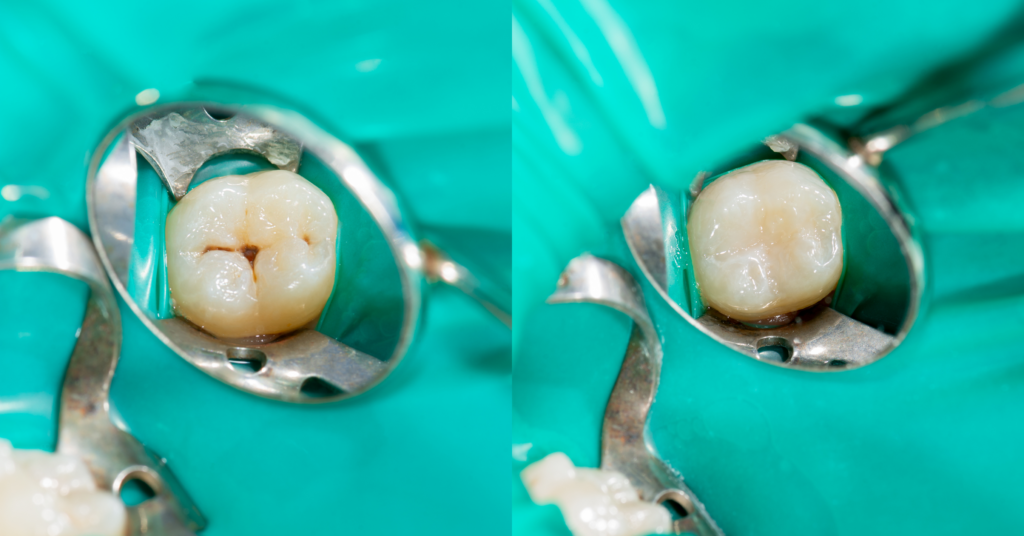
Composite fillings, sometimes called tooth-colored fillings, are popular because they blend in with your natural teeth. They’re made from a mix of plastic resin and fine glass particles that can be shaded to match your exact tooth color. This makes them almost invisible once they’re in place. Composite fillings work well for small to medium cavities, especially in spots where people can see your teeth when you smile. They bond directly to the tooth, providing support and helping prevent further decay. They cost a bit more than amalgam, but the natural look makes them worth it for many patients.
Ceramic Fillings
Ceramic fillings offer a durable and natural-looking alternative to traditional options. They’ve become more popular because of their strength and their ability to match real teeth. Here’s what makes them stand out:
- Natural Appearance: Ceramic fillings can be color-matched to your teeth, blending in seamlessly.
- Biocompatible: They’re made from non-toxic materials, which reduces the risk of allergic reactions or sensitivity.
- Durability: These fillings hold up well against wear and can last a long time.
- Minimally Invasive: The process usually requires removing less of your natural tooth compared to other filling types.
Glass Ionomer Fillings
Glass ionomer fillings are a versatile option that dentists use for specific situations. They’re made from a mix of glass powder and an organic acid, and one of their best features is that they release fluoride, which helps prevent future decay. These fillings bond directly to the tooth structure, giving added support and strength. Dentists typically use them for small to medium fillings in areas that don’t take heavy bite pressure. They also have a natural, slightly translucent look that blends well with surrounding teeth. Glass ionomer fillings are a reliable choice when the situation calls for them.
Gold Fillings
Gold fillings, also called gold inlays or onlays, have been around in dentistry for a long time. They’re not as common today, but they still offer some real advantages for certain patients. Here’s what to know:
- Durability: Gold fillings are extremely tough and can last for many years with proper care.
- Biocompatibility: Gold is well tolerated by the body, making it a good option for people with metal allergies.
- Strength: These fillings handle chewing forces well and are less likely to wear down the teeth they bite against.
- Precision Fit: Gold inlays and onlays are custom-made in a lab, ensuring precise fit and proper function.
Resin Fillings
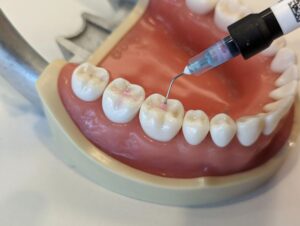
Resin fillings, also called composite fillings, are widely used in modern dentistry to repair teeth damaged by decay or injury. They’re made from plastic mixed with fine glass particles, giving them a natural look that matches the tooth color. The dentist applies the resin in layers and hardens each one with a special light. One big advantage is that resin bonds directly to the tooth, which can actually strengthen the overall structure. These fillings work on both front and back teeth. The trade-off is that resin may not last as long as amalgam so that you might need replacements down the road.
Related Topics: