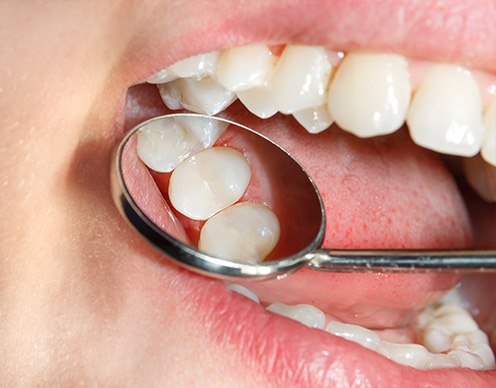
Dental sealants do a great job protecting teeth from decay, but they need regular monitoring to stay effective. How often you should get them checked depends on several factors specific to you. A local dental office in Encino can set up a check-up schedule based on your age, cavity risk, and daily oral care habits. This post covers why these check-ups matter, what affects how often you need them, and the risks of skipping appointments. Staying on top of these visits keeps your sealants working and your teeth healthy.
Importance of Dental Sealant Check-ups
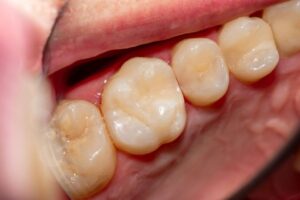
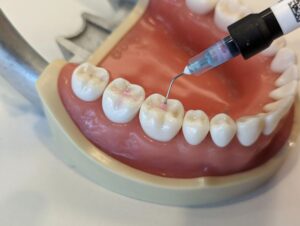
Getting your dental sealants checked regularly plays a big role in keeping your mouth healthy and cavity-free. These appointments let your dentist see if the sealants are still intact and doing their job of blocking bacteria and acids that cause decay. Studies show that sealants can reduce the risk of cavities in molars by up to 80%, which are the teeth most likely to develop decay. Routine visits catch problems early, which saves you from more expensive dental work down the road. Sticking to the check-up schedule your dentist recommends helps your sealants last longer and protect your teeth better.
When to Schedule Check-ups
Figuring out when to book your sealant check-ups comes down to a few personal factors. Here are some things to keep in mind:
- Age: Kids and teenagers may need more frequent visits since their teeth are still developing.
- Risk of Decay: If you’re more prone to cavities, you’ll likely need evaluations more often.
- Sealant Condition: Regular assessments ensure your sealants remain intact and working properly.
- Dentist’s Recommendation: Following your dentist’s suggested schedule keeps your oral health on track.
Factors Affecting Check-up Frequency
Several things determine how often you need to get your dental sealants checked. Your oral hygiene habits, your likelihood of getting cavities, and the current condition of your sealants all factor in. People who brush and floss consistently may not need to come in as often as those with a history of decay or less thorough cleaning routines. The type of sealant material, how well it was applied, and your diet also affect how long sealants last and how well they hold up. Your dentist can consider all these factors and customize a check-up schedule that provides you with the best protection against tooth decay.
Benefits of Regular Check-ups
Routine dental sealant check-ups give your dentist a chance to catch any issues before they become bigger problems. Here’s what regular visits offer:
- Early Intervention: Spotting wear or damage early means quick repairs that keep your sealants effective.
- Preventive Maintenance: Professional cleanings during these visits help maintain sealant integrity and stop decay before it starts.
- Monitoring Changes: Your dentist can track how your sealants hold up over time and adjust treatment to make them last longer.
- Overall Oral Health: These visits aren’t just about sealants, they give your dentist a chance to check your whole mouth and catch other issues too.
Risks of Infrequent Check-ups
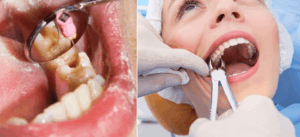
Skipping dental sealant check-ups can lead to problems that defeat the purpose of having them in the first place. Without regular monitoring, sealants are more likely to chip, wear down, or fall off completely. Once that happens, the tooth underneath becomes exposed to decay. If sealants aren’t reapplied when they start breaking down, your teeth lose that protective barrier. Missing these appointments also means missing the chance to catch small issues early, which can turn into bigger dental problems that could have been avoided.
Ensuring Long-term Sealant Effectiveness
Keeping your dental sealants effective over time requires consistent monitoring by your dentist. Good maintenance ensures they keep doing their job of protecting your teeth. Here are some ways to get the most out of your sealants:
- Regular Check-ups: Book routine dental visits to have your sealants evaluated.
- Monitoring Wear: Let your dentist assess any wear and tear so they can touch up problem areas.
- Reapplication Timing: Figure out when sealants need to be redone based on how they’re holding up and your specific oral health needs.
- Professional Expertise: Trust your dentist to assess, recommend, and properly handle sealant maintenance.
Related Topics: