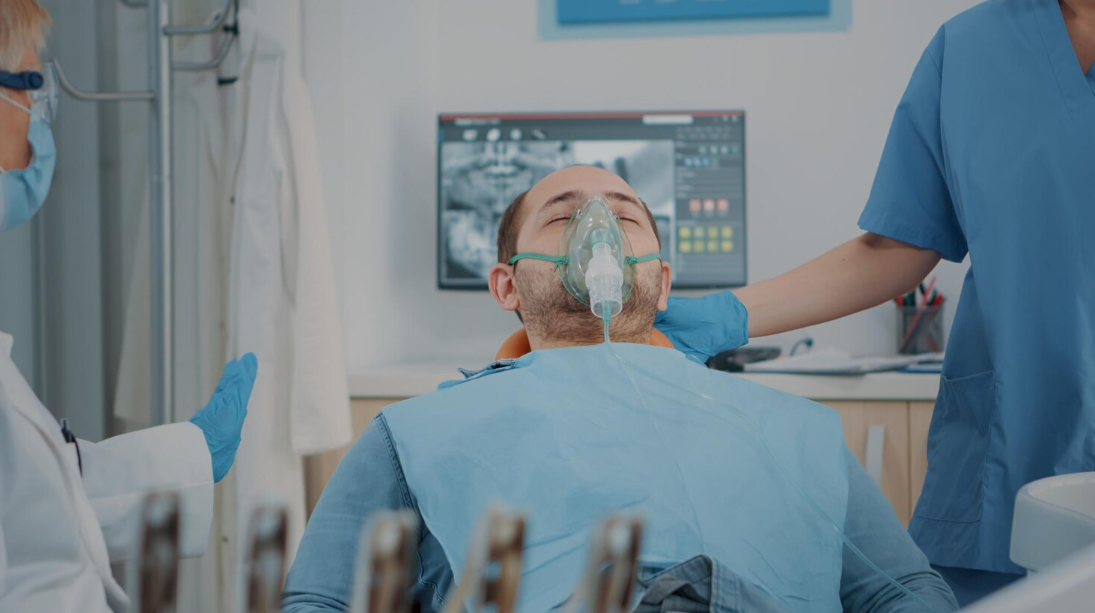
Oral sedation works a bit differently for everyone. Adults and children don’t respond the same way, primarily because of differences in metabolism, weight, age, and general health. Some people feel the sedative wears off faster, others slower. The dosage also makes a difference. It’s why an experienced dentist usually takes all these things into account before giving oral sedation.
Understanding these differences is helpful because it sets realistic expectations about how long the effects will last and what to watch for afterward. In the sections below, we’ll cover what affects sedation duration, how it works in adults and kids, and how to handle any lingering effects safely.
Factors Influencing Sedation Duration
A few things really determine how long oral sedation sticks around. Age is one; younger people often metabolize medications faster, so they might wake up sooner, while older patients might feel drowsy longer. Weight also matters because dosages are calculated around it.
Then there’s overall health. Someone with liver or kidney conditions may process the sedative differently, making the effects last shorter or longer than expected. Metabolism, dosage, age, and health all come together in a kind of mix that dictates the sedation’s timing. That’s why monitoring patients closely is always part of the process. You can’t just give a pill and walk away.
Oral Sedation in Adults
Adults usually get oral sedation tailored to their size, health, and even how anxious they feel. Some might need a little, some a bit more. People with certain medical conditions can react differently, and metabolism plays a role, too. For instance, two adults of the same weight and age might still feel sedated differently.
Tolerance matters too; if someone has taken sedatives before, the effect might be lighter. A skilled dentist watches for these things so the procedure is smooth, and the patient stays comfortable without lingering grogginess longer than necessary.
Oral Sedation in Children
Kids are a whole different story. They generally need smaller doses, but even slight differences in metabolism can change how long they stay drowsy. Children might also respond in ways adults don’t; some get sleepy right away, and others get more relaxed but alert. That’s why pediatric dentists pay close attention and create a calm environment during procedures.
Monitoring doesn’t stop once the procedure ends. Kids are watched afterward to make sure they wake up safely and don’t have unexpected reactions. Safety, comfort, and effective sedation all go hand in hand here.
Duration of Sedation Effects
How long sedation lasts can surprise some people. Adults usually feel drowsy for a few hours, while children might recover faster or slower, depending on their metabolism and the dose. It’s not exact, and that’s normal. You might see lingering sleepiness, a bit of dizziness, or mild nausea. The important thing is to let the body fully process the medication.
Water, rest, and supervision help. Understanding these factors helps families plan ahead, especially if kids are going back to school or adults need to drive later. Every patient’s timing is a little different.
Managing After-Effects
After-effects are usually mild, but they still need attention. Feeling drowsy, a little dizzy, or even a touch of nausea is common. Patients shouldn’t drive, operate machinery, or make important decisions until they feel fully alert. Hydration can help, and resting in a quiet space usually speeds recovery.
If symptoms linger or worsen, contacting the dentist or healthcare provider is necessary. Clear post-procedure instructions, especially for kids, make a big difference. Parents or caregivers should know what’s normal and what isn’t, so the recovery is smooth.
Safety Considerations
Safety is always the top priority with oral sedation. Patients are evaluated before the procedure to make sure sedation is appropriate. Vital signs are monitored throughout, and emergency medications and equipment are on hand in case anything unusual happens.
Even minor reactions are watched closely to prevent complications. These precautions make oral sedation safe for adults and children alike, allowing procedures to go smoothly and comfortably without unnecessary stress.
Related Topics: