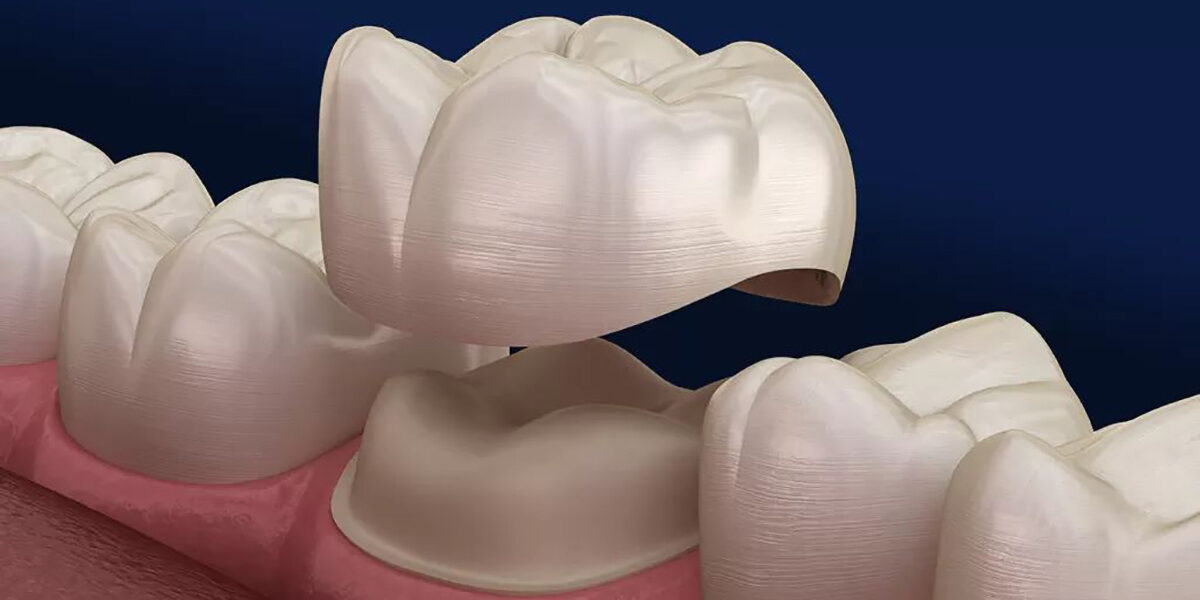
A dental crown typically lasts between 5 and 15 years, depending on factors like material quality, oral hygiene, and daily wear. High-quality crowns made from zirconia or porcelain fused to metal generally last longer. Practicing good oral hygiene, such as brushing and flossing regularly, is key to maintaining the health of your dental crown. Habits like teeth grinding or using teeth for non-chewing tasks can shorten the lifespan of your crown. For excellent dental service, a professional dentist can help you make informed decisions and ensure the longevity of your crown.
Lifespan of a Dental Crown
The lifespan of a dental crown varies based on several key factors, including the material used, your oral hygiene routine, and the care you provide for your crown. Crowns made from high-quality materials, such as zirconia crowns or porcelain fused to metal, tend to last longer than those made from cheaper options. Proper oral hygiene is essential; regular brushing, flossing, and professional cleanings help prevent decay around the crown’s edges, preserving both the crown and the underlying tooth structure. Additionally, habits such as teeth grinding or using your teeth as tools can cause premature wear. Taking proactive care of your crown through good hygiene and regular dentist visits can significantly extend its functional life.
Factors Affecting Crown Longevity
Several factors directly influence the longevity of your dental crown. The material chosen for the crown is one of the most significant factors, with materials like zirconia or porcelain fused to metal offering superior durability compared to more affordable options. Consistent and thorough oral hygiene, including regular visits to your dentist for check-ups, is crucial for preventing issues such as decay and gum disease, which can shorten the lifespan of the crown. Additionally, lifestyle habits such as teeth grinding, chewing on hard objects, or biting one’s nails can cause damage to the crown, leading to wear and a reduced lifespan. By focusing on high-quality materials, maintaining good oral hygiene, and avoiding harmful habits, you can maximize the durability of your crown.
Common Signs of Dental Crown Wear
It’s essential to watch for signs of wear on your dental crown to catch potential issues early. Some common signs include visible cracks, chips, or color changes. Cracks often occur due to teeth grinding or biting on hard items, while chips may be caused by trauma or biting into hard foods. Discoloration can be a sign of staining or material degradation. Additionally, rough or jagged edges could indicate wear. Sensitivity to hot, cold, or sweet foods may also indicate issues with your crown. Early detection through regular dental check-ups is key. If you notice any of these signs, it’s best to visit your dentist promptly to prevent further damage and ensure the crown continues to function as intended.
Tips for Maintaining Dental Crown Longevity
To ensure your dental crown lasts as long as possible, it’s vital to implement proper care and maintenance. First and foremost, practice excellent oral hygiene by brushing at least twice daily and flossing regularly to remove plaque buildup around the crown. Avoid foods that are hard or sticky, as these can damage or dislodge your crown. If you grind your teeth, particularly at night, consider using a mouthguard to protect both your natural teeth and your crowns. Regular dental visits for professional cleanings and check-ups are essential to monitor the condition of your crown and address any concerns early. If you experience any discomfort or notice changes in your crown, don’t hesitate to schedule a visit with your dentist for a thorough evaluation.
Importance of Regular Dental Check-ups
Routine dental check-ups are critical in ensuring the longevity and functionality of your dental crown. During these visits, your dentist will assess the condition of your crown and detect early signs of wear or damage. They can address issues like decay, an improper fit, or gum recession before they become major concerns. Professional cleanings during these visits help maintain overall oral health, which is crucial for the longevity of your crown. Consistent check-ups also enable timely intervention, preventing further damage and extending the life of your dental crown.
When to Consider Crown Replacement
Deciding when to replace your dental crown is important for maintaining your oral health. Your dentist will evaluate factors such as wear, damage, and the fit of the crown. Signs that it may be time for a crown replacement include visible cracks, fractures, chips, or recurring decay around the crown margins. Additionally, discomfort or difficulty chewing due to changes in the crown’s fit or gum recession around the crown may indicate that replacement is necessary. Regular dental checkups are vital for identifying these issues early, and seeking advice from your dentist when you notice any of these signs can ensure you receive timely intervention to preserve your oral health.
📬 Contact Us
At Sargon Dental, we’re here to assist you every step of the way. Whether you’re a new or returning patient, have questions about our services, or need assistance with scheduling, reaching out is easy.
📍 Address: 16101 Ventura Blvd #350, Encino, CA 91436
🕒 Office Hours:
- Monday – Friday: 9:30 am – 5:00 pm
- Saturday & Sunday: CLOSED
📞 Call Us: (818) 960-1838
📅 Schedule an Appointment
Ready to take the next step toward a healthier smile? You can schedule an appointment online or by calling our offices directly. Our team is here to accommodate your preferred method of communication, whether it’s a phone call, text, or email.
Related Topics: