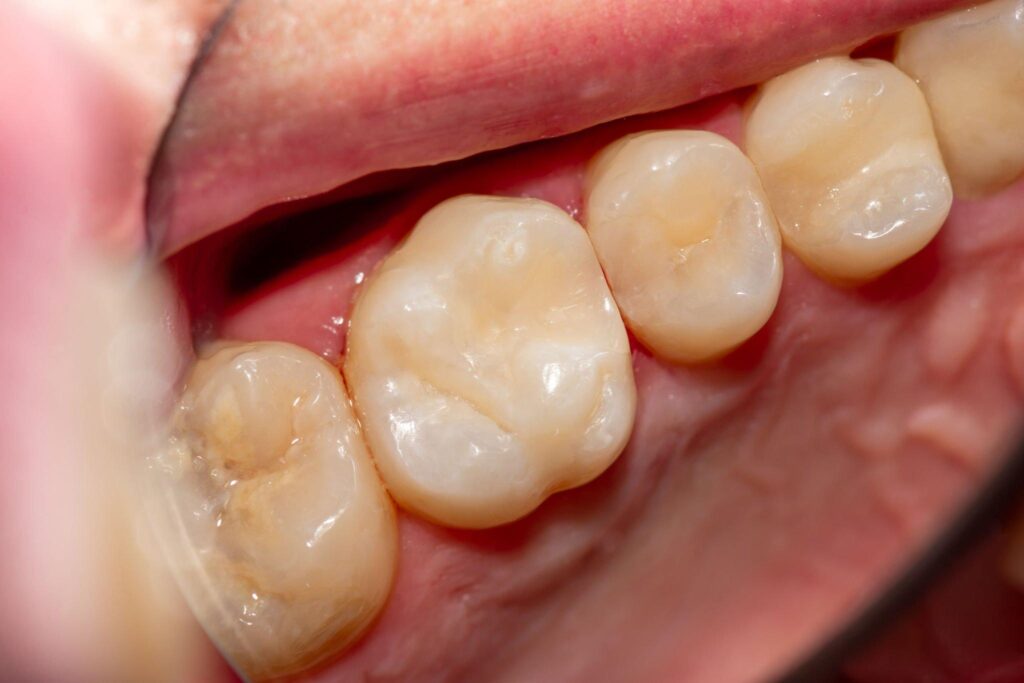
Dental sealants are a popular preventive treatment that protects teeth from decay and cavities. Many patients wonder how long they can expect their sealants to last. A qualified dentist can help you understand what affects sealant durability and when replacement might be needed. This post covers the benefits of dental sealants, factors that impact their lifespan, and tips for keeping them in good shape. We’ll also go over the signs of wear and when it’s time to replace them.
Benefits of Dental Sealants
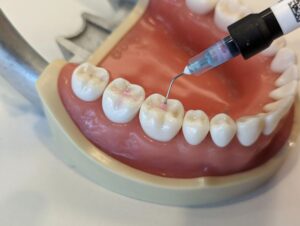
Dental sealants create a protective barrier on tooth surfaces to prevent decay and cavities. Made of a thin plastic material, sealants get applied to the pits and grooves of teeth, creating a smooth surface that’s easier to clean. By sealing off these vulnerable spots, sealants prevent bacteria and food particles from entering and causing cavities. This preventive measure works especially well for kids and teenagers, whose developing teeth often have deeper grooves that are harder to clean properly. With good oral hygiene and regular dental visits, sealants can offer long-lasting protection against tooth decay and reduce the need for more invasive treatments later.
Lifespan of Dental Sealants
How long dental sealants last depends on several factors, including oral habits, diet, and the quality of application. Here are the main things that affect how long your sealants will hold up:
- Oral Hygiene: Regular brushing and flossing help keep the sealant intact by preventing plaque buildup.
- Dietary Habits: Cutting back on sugary and acidic foods can make sealants last longer by reducing wear and tear.
- Quality of Application: When a skilled professional applies the sealant correctly, it bonds better to the tooth surface and lasts longer.
Factors Affecting Sealant Durability
Several things determine how long your dental sealants will last. Good oral hygiene practices, such as regular brushing and flossing, help maintain sealants by preventing plaque and decay. What you eat matters; too frequent snacking on sugary or acidic foods can break down sealants faster. The skill and precision of the person applying the sealant also play a big role. A well-placed sealant that bonds properly to the tooth surface will hold up better against daily chewing and brushing. Understanding these factors helps you get the most out of your dental sealants.
Signs of Sealant Wear
Keeping an eye on your sealants helps make sure they’re still doing their job. When checking for sealant wear, watch for:
- Visible Wear: Look for any obvious cracks, chips, or missing sections in the sealant.
- Texture Changes: Run your tongue over the sealant. Any roughness or uneven texture might mean it’s wearing down.
- Discoloration: Color changes could signal that the sealant material is breaking down.
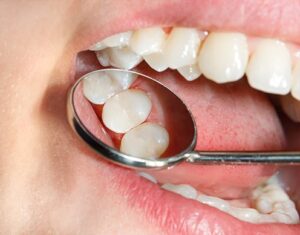
Checking your sealants regularly for these signs helps you catch problems early and get them fixed or replaced before decay sets in.
Maintenance Tips for Sealants
Taking care of your sealants properly helps them last longer and work better. Brush your teeth twice a day with fluoride toothpaste to prevent plaque buildup around the sealant. Floss daily to keep debris from collecting around the sealant edges. Get dental check-ups every 6 months so a professional can assess your sealants and address any issues promptly. Stay away from hard foods like ice or sticky candy, as they can wear down sealants faster. If you play sports, wear a mouthguard to protect your teeth from impact damage. Following these habits can significantly extend the lifespan of your sealants.
Recommendations for Sealant Replacement
Getting regular dental evaluations helps determine when to replace sealants, so they continue protecting your teeth. When thinking about sealant replacement, your dentist will check for wear, chipping, or complete loss of the sealant. They’ll also examine the tooth beneath to ensure there’s no decay. Here are three recommendations for sealant replacement:
- Regular Check-ups: Schedule routine dental visits to monitor your sealants and determine if they need replacement.
- Early Intervention: Address any signs of wear or damage immediately to prevent the sealant from breaking down further.
- Follow Professional Advice: Stick to your dentist’s recommendations on when to replace sealants to get the most protection.
Related Topics: