After getting a dental bridge, following proper post-care instructions supports healing and reduces the risk of complications. Initially, sticking to soft foods helps protect the bridge while your mouth adjusts to it.
Starting with options like smoothies and mashed potatoes allows for gentle chewing before gradually introducing semi-solid foods. Maintaining daily oral hygiene by brushing, flossing, and rinsing with mouthwash is critical.
Watching for signs of pain, swelling, or discomfort ensures any issues are addressed promptly. Consulting a trusted Encino dentist for guidance helps maintain the bridge’s durability and ensures a smooth recovery.
Immediate Post-Bridge Care Instructions
Right after receiving a dental bridge, take care to avoid disturbing the area. Gently clean the bridge using a soft-bristled toothbrush and non-abrasive toothpaste to prevent plaque buildup. Floss carefully around the bridge to remove debris without loosening it. Avoid hard or sticky foods that could shift the bridge or damage surrounding teeth.
If you experience discomfort, unusual pain, or instability in the bridge, please contact your dentist for an evaluation. Attending follow-up visits allows the dentist to confirm that the bridge is properly positioned and functioning as intended.
Soft Diet Recommendations for Recovery
A soft diet can make the healing process more comfortable and prevent damage to the new bridge. Soft foods reduce pressure on the area and minimize irritation. Smoothies are easy to consume and provide nutrients without requiring much chewing. Mashed potatoes are gentle on the gums and filling.
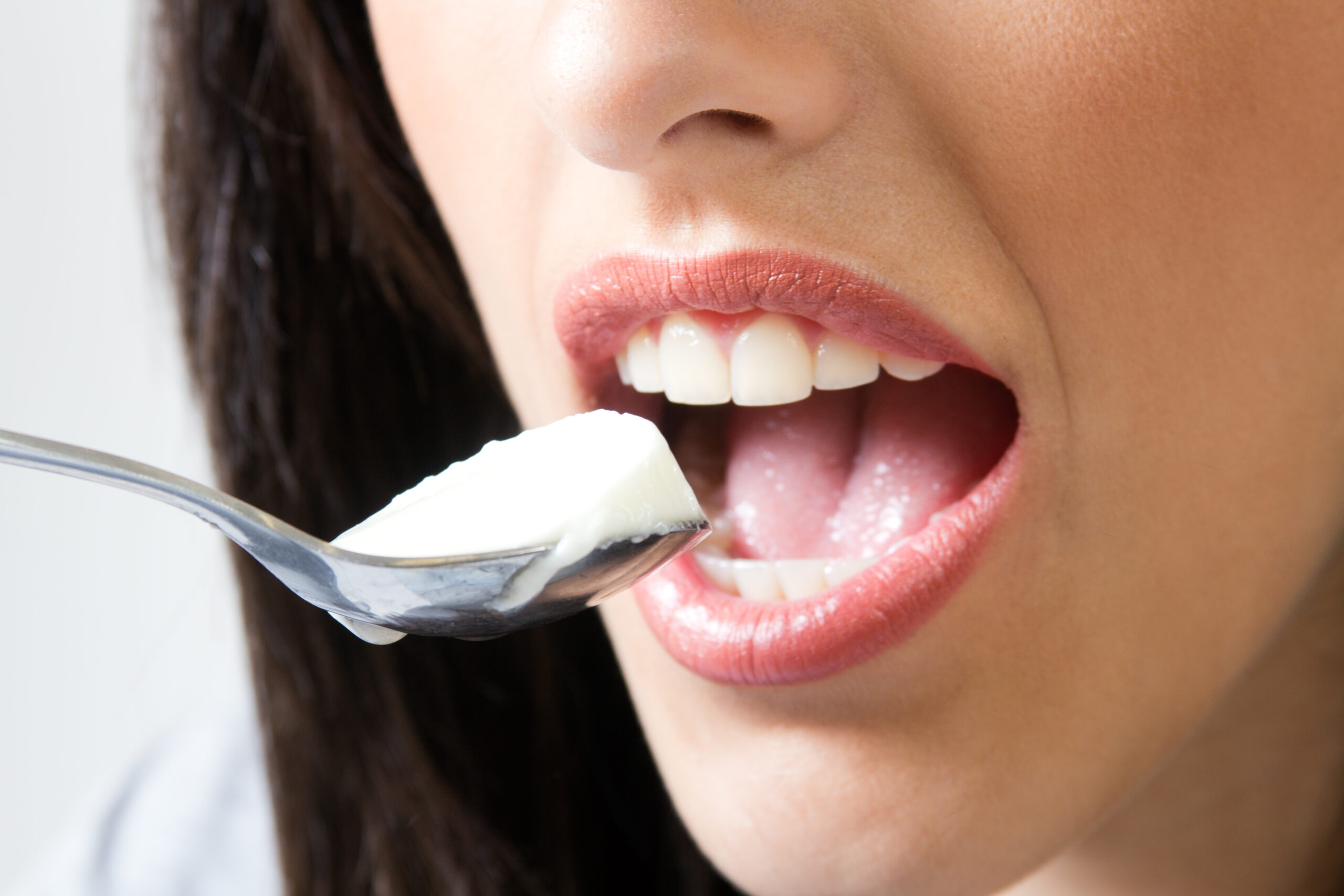
Yogurt is soothing and supports oral health while providing protein and probiotics. Eating these foods during the first weeks after placement allows the bridge and surrounding tissues to adjust safely.
Foods to Avoid After Dental Bridge Placement
Certain foods can jeopardize a newly placed dental bridge. Sticky items like caramels and chewing gum can pull at the bridge, while hard foods such as nuts, candies, or ice may crack or loosen it. Biting directly into firm foods like raw apples, corn on the cob, or tough meats can also cause damage.
During the healing period, softer alternatives such as cooked vegetables, tender meats, pasta, and other easy-to-chew foods are safer choices. Being mindful of your food selection helps protect the bridge while your mouth recovers.
Ideal Timeline for Resuming Regular Eating
After the initial healing period, you can gradually return to a regular eating routine while respecting the recovery process. During the first two weeks, focus on soft foods to avoid putting excessive pressure on the bridge.
In weeks three and four, introduce semi-solid foods that require light chewing, such as cooked vegetables and tender meats. By week five and beyond, most people can resume a normal diet, continuing to avoid foods that are extremely hard or sticky to maintain the integrity of the bridge.
Hygiene Tips for Maintaining Oral Health
Proper oral hygiene is critical for protecting a dental bridge and supporting long-term oral health. Brushing twice daily with a soft-bristled toothbrush and fluoride toothpaste helps keep the bridge and surrounding teeth clean and healthy.
Flossing carefully with regular floss or a floss threader removes trapped food and reduces plaque buildup. Using an antimicrobial mouth rinse can further minimize bacteria in the mouth.
Regular dental check-ups allow a dentist to monitor the bridge’s condition and overall oral health. Avoiding sticky or hard foods complements these hygiene practices to prevent damage and support healing.
Signs of Complications Requiring Professional Attention
Certain signs indicate that professional care is necessary after a dental bridge placement. Persistent pain around the bridge may suggest a problem that requires assessment. Swelling in the gums or face can be a warning of infection or irritation.
Difficulty chewing or noticing a change in bite alignment may indicate that the bridge needs to be adjusted. Addressing these issues promptly with your dentist can prevent further complications and support the long-term success of your dental bridge.
Related Topics: