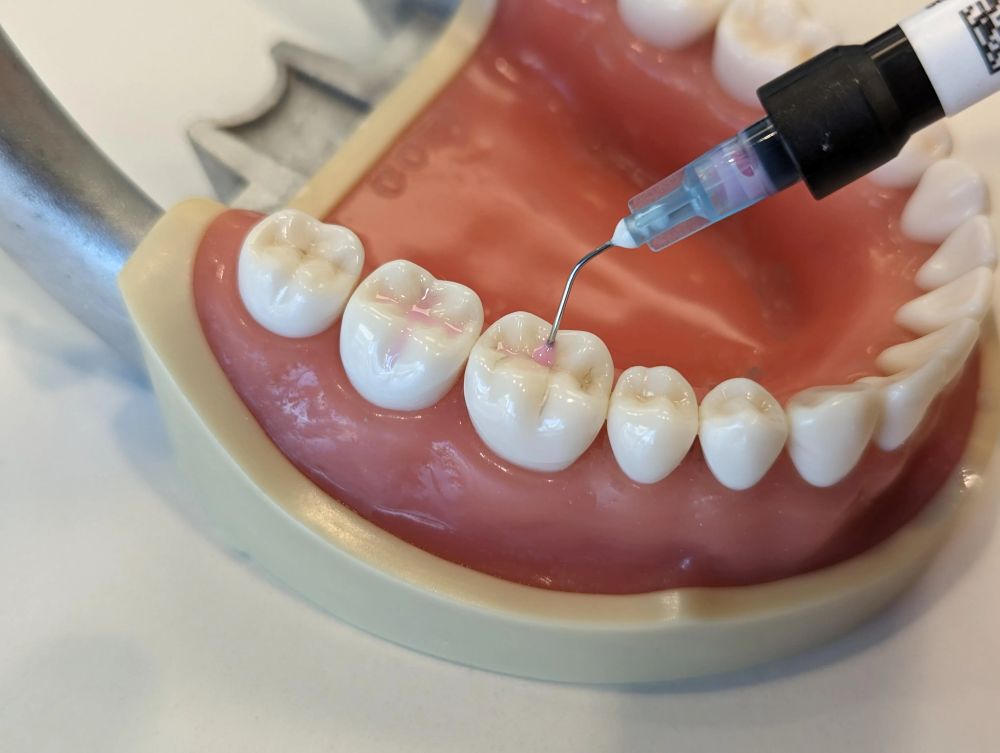
Dental sealants have become a go-to preventive treatment in modern dentistry. These thin coatings create a shield on your teeth that blocks out decay-causing bacteria and acids. An experienced dentist can apply sealants quickly and painlessly, making this a simple way to protect your smile. This post covers what sealants are, how they’re applied, and why they work so well for both kids and adults. We’ll also break down the benefits, maintenance tips, and what you can expect from this treatment.
What Are Dental Sealants?
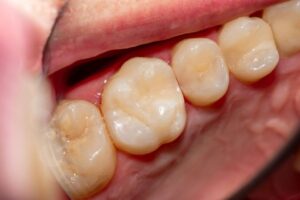
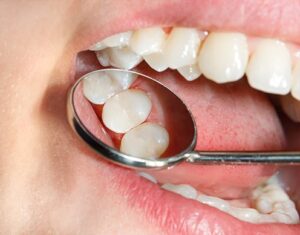
Dental sealants are thin plastic coatings painted onto the chewing surfaces of teeth to protect them from decay. They act as a barrier, keeping enamel safe from bacteria and acids that cause cavities. Molars and premolars are the most common teeth to get sealants since they have deep grooves and pits that are tough to clean with brushing alone. By filling in hard-to-reach spots, sealants make it easier to maintain good oral hygiene and prevent decay before it starts. Sealants are also a budget-friendly way to avoid bigger dental problems down the road, and they can last for years with the right care.
Sealant Application Process
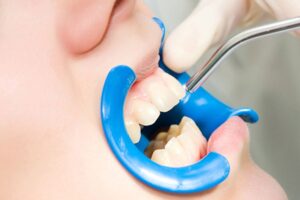
Before applying sealants, teeth are thoroughly cleaned and dried to ensure the material adheres properly. Once the teeth are prepped, a mild acidic solution is applied to the chewing surfaces to create a rough texture for better bonding. After another rinse and dry, the sealant material is carefully painted into the pits and grooves of each tooth, forming a protective layer. A curing light may be used to harden the sealant quickly. The whole process is painless and quick, providing a strong barrier against the bacteria and acids that cause tooth decay. Regular dental visits help ensure your sealants stay in good condition for long-lasting protection.
Sealants and Tooth Protection
Sealants painted onto chewing surfaces create a protective shield that guards against bacteria and acids, helping stop tooth decay in its tracks. Here’s how dental sealants protect your teeth:
- Preventive Barrier: Sealants prevent food particles and bacteria from settling into your teeth’s grooves.
- Acid Resistance: The sealant material stands up to acids produced by mouth bacteria, lowering the risk of enamel damage.
- Long-lasting Protection: With proper care, sealants can protect your teeth for several years, giving you extended defense against decay.
- Minimal Intervention: Sealants are non-invasive and don’t require any drilling or removal of tooth structure.
Benefits of Using Sealants
When it comes to protecting your oral health, sealants offer some real advantages. They act as a barrier that keeps bacteria and food particles from causing decay in the deep grooves of molars and premolars. By sealing off problem areas, sealants reduce your risk of cavities and support better oral health overall. The application is quick, painless, and doesn’t involve any drilling or tooth removal. This makes sealants an appealing preventive option for both kids and adults. On top of that, sealants cost less than treating cavities later on, making them a smart investment in your long-term dental health.
Sealants for All Ages
Dental sealants work as a solid preventive measure for people at any stage of life. Here are four reasons why sealants make sense for everyone:
- Protection: Sealants create a barrier against bacteria and acids, helping protect teeth from decay.
- Prevention: By sealing the grooves and crevices of teeth, sealants help stop cavities before they even form.
- Longevity: Sealants can last for several years, providing long-term protection for your teeth.
- Cost-Effective: Getting sealants now can save you money later by reducing the need for pricey dental treatments.
These benefits make sealants a valuable part of oral health routines, no matter your age.
Sealant Maintenance and Longevity
Taking care of your sealants plays a big role in protecting your teeth from decay and cavities over time. Proper care and regular checkups help get the most out of your sealants. Try to avoid chewing on hard items like ice or hard candy, as this can cause the sealant to chip or wear down early. Sticking to good oral hygiene habits like brushing and flossing regularly also helps your sealants last longer. Dentists usually check your sealants during routine visits and may suggest reapplication if needed. By staying on top of sealant care, you can seriously cut your risk of tooth decay and keep your oral health in good shape for years to come.
Related Topics: