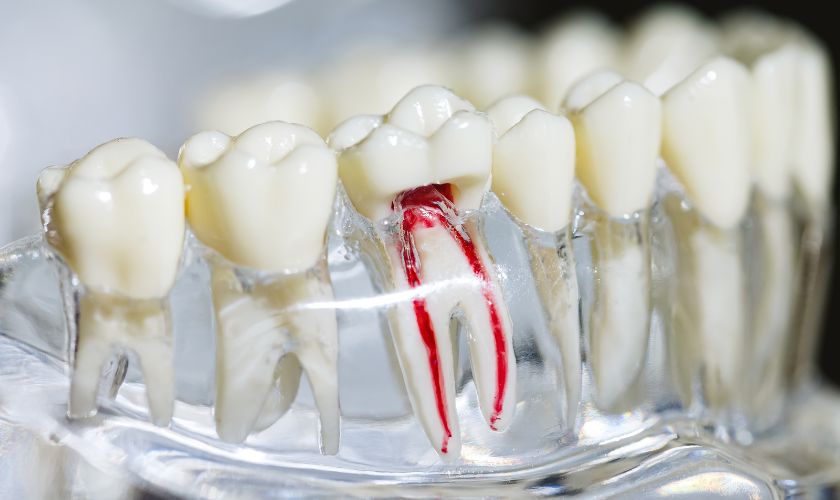
The recovery is usually way more manageable than people expect. Your healing timeline depends on several factors, and knowing what to expect can make the whole process less stressful. A professional dentist in West Hollywood can walk you through what’s normal and what’s not after your procedure. This guide covers everything from the first few days of recovery to long-term care and warning signs. Let’s break down what actually happens during the healing process so you’re not left guessing.
Initial Recovery Period
The first few days after a root canal, you might notice some mild soreness or sensitivity around the treated tooth. This is totally normal; your tooth and the surrounding tissue are just starting to heal. Over-the-counter pain meds like ibuprofen usually do the trick for any discomfort. Try not to chew on that side until your permanent crown is placed to avoid damaging anything. Keep up gentle brushing and flossing, and if the pain persists or gets worse, give your dentist a call.
Swelling and Discomfort
Some swelling after a root canal is pretty standard since your body is doing its natural healing thing. Ice packs work well here. Apply one for about 20 minutes at a time to reduce puffiness and ease discomfort. Take any pain meds or anti-inflammatory drugs your dentist prescribed exactly as directed. Keeping your head propped up while you rest can also help reduce swelling. If things don’t improve or start getting worse after a few days, reach out to your dentist for a check-in.
Eating and Oral Care
What you eat matters a lot during recovery. Skip the hard, crunchy stuff that could irritate your treated tooth. Stick to soft foods like yogurt, mashed potatoes, and smoothies for the first few days. Good oral hygiene is a must during this time. Brush and floss gently to keep the area clean and lower your risk of infection. A saltwater rinse can speed healing and reduce inflammation. Following these basics will help you bounce back faster with less discomfort.
Follow-Up Appointments
Don’t skip your follow-up visits; they’re a big deal for making sure everything heals right. Your dentist will check on the treated tooth, look for any signs of infection, and confirm that recovery is going smoothly. The first follow-up usually happens a few weeks after your procedure. Your dentist might take X-rays to see if you need any extra treatment. You may need a couple more visits after that to ensure the tooth stays stable and healthy in the long term.
Long-Term Healing Process
Once you’re past the initial recovery, keeping tabs on that tooth over time is key to lasting results. The treated tooth shouldn’t cause you any pain or discomfort once it’s fully healed. Stick with solid oral hygiene habits, regular brushing, flossing, and dental checkups. Watch for any red flags, such as swelling, ongoing pain, or sensitivity to heat and cold. Routine X-rays help your dentist track healing progress and catch problems early. Staying on top of things means your root canal stays successful and your mouth stays healthy.
Signs of Complications
Keep an eye out for anything that seems off after your procedure. Here are some warning signs to watch for:
- Persistent pain or swelling that keeps getting worse
- Sensitivity to hot or cold that won’t go away
- A pimple-like bump on your gum near the treated tooth
- The tooth changing color, which could mean infection
Report any of these issues to your dentist right away. Catching problems early makes a huge difference in how well your treatment holds up over time.
Related Topics: