
Finding a trusted dental clinic becomes important when dealing with tooth decay and exploring your treatment options. This article explains what causes tooth decay, how it develops in your mouth, and the different ways you can address it. You’ll learn about both natural methods and professional treatments that can help stop or reverse decay. We’ll also cover simple prevention tips to keep your teeth healthy. Understanding these options helps you make better choices about your oral health care.
Understanding Tooth Decay
Tooth decay happens when bacteria in your mouth create acids that damage your teeth. These bacteria feed on sugars and starches from food, producing acids that attack the hard outer layer of your teeth called enamel. Over time, this acid attack weakens the enamel and creates small holes called cavities. Poor brushing habits, eating too many sweets, and not getting enough fluoride can worsen decay. When decay isn’t treated, it can cause pain, infection, and tooth loss. Knowing how decay works helps you take better care of your teeth and prevent problems.
Causes of Tooth Decay
Several things work together to cause tooth decay in your mouth. The main cause is bacteria that live on your teeth and feed on sugars from food and drinks. When you don’t brush and floss properly, these bacteria form a sticky film called plaque on your teeth. The plaque makes acids that eat away at your tooth enamel. Eating sugary snacks often, having poor brushing habits, certain health problems, and having a dry mouth all increase the risk of decay. Finding and fixing these causes helps prevent decay from worsening and keeps your smile healthy.
Reversing Tooth Decay Naturally
You can help reverse early tooth decay using natural methods that strengthen your teeth. Good daily care includes brushing with fluoride toothpaste, flossing every day, and using mouthwash. Eating foods rich in calcium and phosphorus helps rebuild your tooth enamel. Cut back on sugary foods and drinks since sugar feeds the bacteria that cause decay. Some natural treatments that might help include:
- Oil pulling with coconut oil
- Using remineralizing toothpaste without fluoride
- Eating more dairy products and leafy greens
- Drinking plenty of water throughout the day
These methods work best for early decay, but you should talk to a dentist for advice that fits your specific needs.
Professional Treatments for Decay
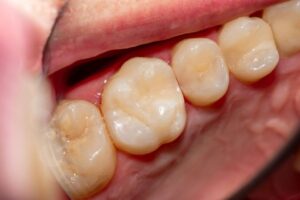
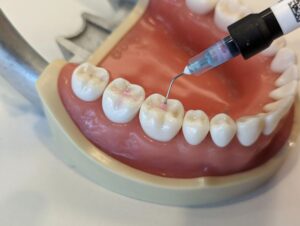
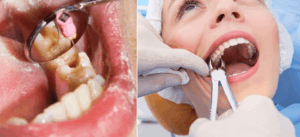
Dentists use several treatments to fix tooth decay, depending on the severity of the decay. Small cavities get fillings made from materials like silver or tooth-colored composite. Larger areas of decay need crowns, which cover and protect the whole tooth. When decay reaches the inside of your tooth, you might need a root canal to remove the infected parts and seal the tooth. In very bad cases where the tooth can’t be saved, removal might be the only choice to prevent more problems and keep your mouth healthy.
Preventing Tooth Decay
Stopping tooth decay before it starts is easier than treating it later. Brush your teeth twice daily with fluoride toothpaste and floss every day to remove plaque. Eat fewer sugary and acidic foods, and choose water over sweet drinks. Visit your dentist regularly for check-ups and cleanings to catch problems early. Your dentist might also suggest sealants for your back teeth or fluoride treatments to strengthen your enamel. Following these simple steps every day helps keep your teeth healthy and prevents decay from forming.
Related Topics: